


















Saudi Arabia & Germany Partner to Build Major Green Ammonia Corridor to Europe
Saudi Arabia and Germany launch a green ammonia export corridor from Yanbu to Rostock. ACWA Power & German firms will collaborate to supply Europe's hydrogen market by 2030.

Saudi Arabia and Germany Launch Ambitious Green Ammonia Corridor to Fuel Europe’s Hydrogen Future
In a landmark move for global clean energy trade, Saudi Arabia and Germany have forged a strategic partnership to develop a major green ammonia export corridor. This initiative will connect Saudi Arabia's renewable energy resources directly to Germany’s growing hydrogen infrastructure, creating a vital supply chain for Europe's decarbonization.
A Memorandum of Understanding (MoU) was signed between Saudi developer ACWA Power and a consortium of leading German energy firms—EnBW Energie Baden-Württemberg AG, ROSTOCK PORT GmbH, and VNG AG. The project, backed by high-level government support, establishes a blueprint for international cooperation on green fuels.
The Corridor: From Yanbu to Rostock
The corridor is designed to transport carbon-neutral green ammonia—a hydrogen carrier—from a new production hub in Yanbu, Saudi Arabia, to the Port of Rostock in Germany.
-
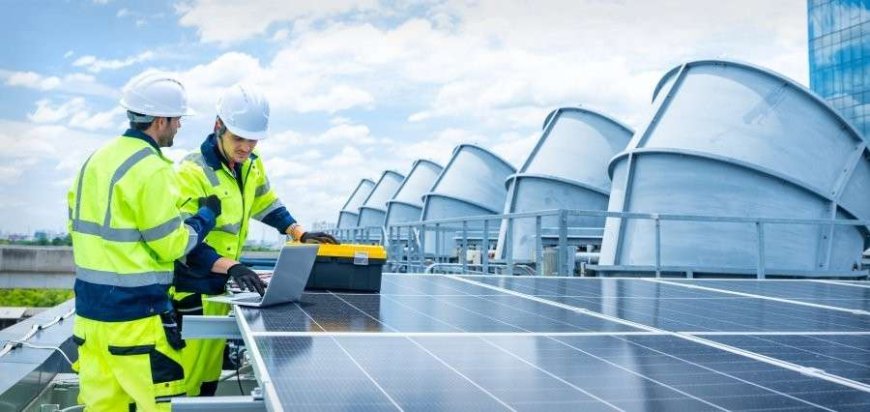
Production (Saudi Arabia): ACWA Power will lead the development of a large-scale facility in Yanbu that uses renewable electricity to produce green hydrogen, which is then converted into green ammonia for shipment. Commercial operations are targeted for 2030.
-
Logistics & Conversion (Germany): EnBW will act as the primary offtaker, managing the ammonia's transport. VNG plans to build an ammonia cracker facility near Rostock to convert the imported ammonia back into pure green hydrogen for injection into Germany’s national hydrogen network.
Why Green Ammonia is a Strategic Fuel
This project leverages green ammonia's unique advantages in the clean energy transition:
-
Efficient Transport: Ammonia is easier and more cost-effective to ship over long distances than pure hydrogen, as it liquefies at a higher temperature and has an established global shipping industry.
-
Versatile End-Use: In Germany, it can be used directly as a fuel in certain industrial applications or “cracked” into hydrogen to decarbonize hard-to-abate sectors like steel, chemicals, and heavy transport.
Strategic Importance for Both Nations
-
For Germany: This corridor is critical for securing large-scale, reliable imports of green hydrogen, a cornerstone of its Energiewende (energy transition). It directly supports national and EU climate targets by providing an alternative to fossil fuels for industry.
-
For Saudi Arabia: The project cements its ambition to become a global leader in hydrogen exports, leveraging its abundant solar and wind resources to produce and trade renewable fuels, diversifying its economy beyond oil.
A Template for Future Global Energy Trade
The Saudi-German green ammonia corridor is more than a bilateral deal; it is a potential model for future international clean energy partnerships. It demonstrates how resource-rich renewable energy producers and industrialized nations can collaborate to build resilient, cross-border supply chains that combat climate change.
By linking the renewable potential of the Middle East with the industrial demand of Europe, this project marks a significant step toward a renewable-fuel-based global energy trade system, setting a precedent for how the world can achieve energy security and decarbonization simultaneously.