




























Powerful Winter Hair Fall Solutions: How to Stop Shedding with 9 Essential Healthy Hair Tips
Suffering from winter hair fall? Learn why it happens and 9 proven tips to stop it. From scalp care to diet, our complete guide helps you protect and strengthen your hair during the cold months.

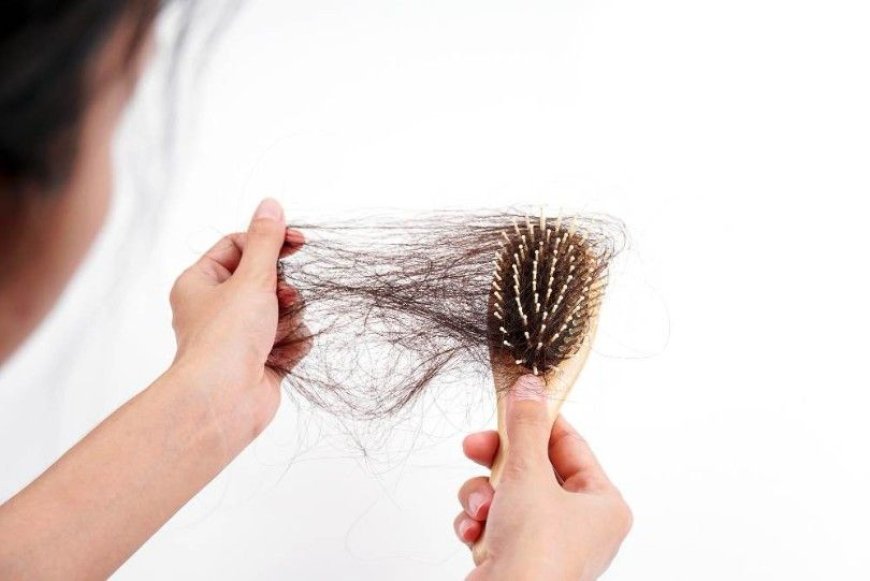
Winter Hair Fall: How to Stop It & 9 Essential Tips for Healthy Hair
As winter sets in with its cold air and low humidity, many people notice an unwelcome change: increased hair shedding. This seasonal hair fall is a common concern, triggered by environmental factors that strip moisture from your scalp and hair strands, leading to dryness, breakage, and more hair in your brush. The good news? With a targeted seasonal routine, you can effectively combat winter hair fall. This complete guide provides actionable tips to keep your hair healthy and strong all season long.
Why Does Hair Fall Increase in Winter?
The combination of cold, dry air outdoors and heated, dry air indoors creates a moisture-deficient environment. This dehydrates your scalp, causing flakiness and weakening hair roots. Additionally, habits like taking hot showers and wearing rough hats exacerbate dryness and friction, leading to increased breakage and shedding.
1. Prioritize Scalp Hydration
A moisturized scalp is the foundation of healthy hair growth. Winter dryness can disrupt the scalp's natural balance.
-
Weekly Oil Treatment: Massage warm coconut, almond, or olive oil into your scalp for 5-10 minutes before washing. This boosts circulation and deeply conditions.
-
Boost with Essential Oils: Add a few drops of rosemary or tea tree oil to your carrier oil for enhanced nourishment and scalp health.
2. Rethink Your Shower Temperature
While tempting, hot water strips essential oils, leaving hair brittle.
-
Switch to Lukewarm Water for washing your hair.
-
Finish with a Cool Rinse to seal the hair cuticle, enhancing shine and reducing moisture loss.
3. Choose Moisturizing Hair Products
Swap harsh cleansers for gentle, hydrating formulas.
-
Look For: Sulfate-free shampoos and conditioners with ingredients like keratin, argan oil, aloe vera, or shea butter.
-
Condition Regularly: Always use a conditioner to lock in moisture, prevent tangles, and reduce breakage.
4. Minimize Heat Styling
Blow dryers and flat irons further dehydrate winter-vulnerable hair.
-
Air-Dry whenever possible.
-
Use a Heat Protectant: Always apply a spray or serum before using any hot tools.
-
Use the Lowest Heat Setting to achieve your style.
5. Create a Physical Barrier
Shield your hair from harsh winter elements.
-
Wear a Hat or Scarf: Use a soft, satin-lined hat or a loose scarf to protect against wind and cold.
-
Avoid Direct Wool: Lining wool hats with silk prevents friction and breakage.
-
Opt for Loose Hairstyles like a low braid to minimize tangling.
6. Nourish Your Hair from Within
Your diet directly impacts hair strength. Combat winter cravings with hair-healthy foods.
-
Protein: Eggs, lentils, Greek yogurt (hair’s building block).
-
Omega-3s & Biotin: Walnuts, salmon, almonds (support scalp health and growth).
-
Iron & Vitamins: Spinach, sweet potatoes, fortified foods (prevent deficiency-related shedding).
7. Don’t Neglect Hydration
We drink less water in winter, but internal hydration is crucial.
-
Aim for 8 Glasses Daily to maintain scalp moisture and hair elasticity.
8. Manage Winter Stress
Seasonal stress can trigger hair shedding.
-
Incorporate short meditation, yoga, or daily walks.
-
Prioritize 7-8 hours of sleep to support overall health and hair growth cycles.
9. Adjust Your Washing Frequency
Over-washing removes protective natural oils.
-
Wash Hair 1-2 Times Weekly, based on your hair type.
-
Use Dry Shampoo between washes to absorb excess oil without drying out your scalp.
When to Seek Professional Help
While seasonal shedding is normal, consult a dermatologist if:
-
Hair fall is severe or creates visible thinning.
-
Shedding continues well into spring.
-
You notice an irritated scalp or patchy hair loss.
Final Thoughts
Winter hair fall is largely manageable by adapting your routine to the season's challenges. Focus on moisture retention—both for your scalp and body—gentle handling, and protective measures. Consistency with these tips will help you maintain resilient, healthy hair throughout the colder months and beyond.