


























Saudi Arabia Sandstorm Alert: Red and Orange Warnings Issued Across Kingdom Until February 28
Saudi Arabia braces for major sandstorm through February 28 as NCM issues Red and Orange alerts. Dust storms to hit Riyadh, Makkah, Madinah, Eastern Province with visibility below 1km.

Saudi Arabia on High Alert as Major Sandstorm Expected to Sweep Across the Kingdom Through February 28
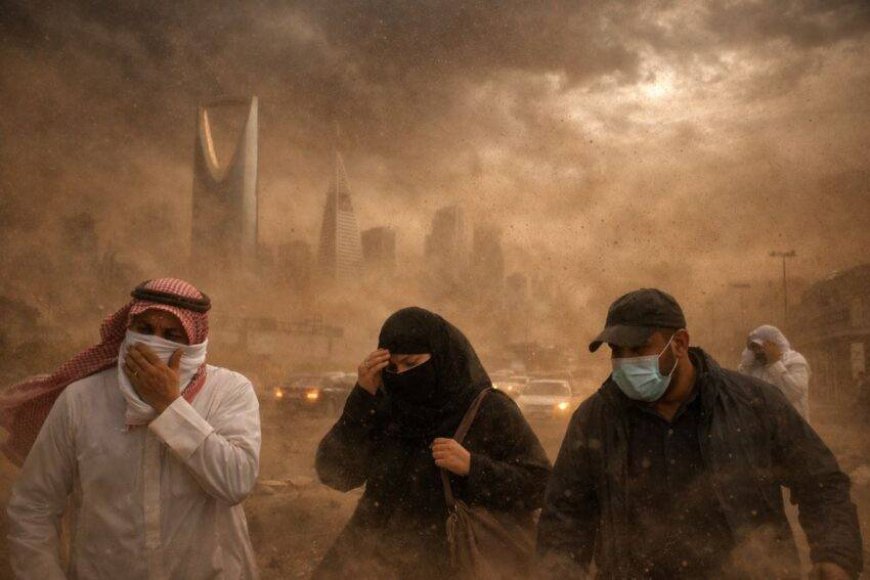
Riyadh, Saudi Arabia — Saudi Arabia is preparing for several days of severe weather as powerful sand and dust storms, accompanied by strong winds, are forecast to impact large portions of the country from Tuesday, February 24 through Saturday, February 28, 2026. The nation's official weather agency, the National Center of Meteorology (NCM) , has issued a series of Red and Orange alerts, signalling dangerous conditions that could disrupt daily life, travel, and public safety across vast areas of the Kingdom.
Unstable Weather System Could Affect Vast Regions
The NCM's forecast highlights a weather disturbance driven by active winds lifting sand and dust into the atmosphere, forming dust storms that will reduce visibility and create hazardous conditions for residents and travellers alike. These storms are expected to affect both the northern and central parts of Saudi Arabia as well as some coastal areas, creating a broad impact zone.
Regions most at risk include Tabuk, Madinah and Makkah — including coastal belts along the Red Sea where humidity and dust may combine — as well as parts of Al-Jawf, the Northern Borders, and Hail. As the weather system evolves throughout the week, additional areas such as Qassim, Riyadh, the Eastern Province, and Najran are also expected to experience the brunt of dust infiltration and wind activity, potentially affecting millions of residents.
These conditions are most likely to intensify during daytime hours, when heating and stronger winds combine to stir up greater amounts of airborne dust, creating the most dangerous conditions. That means motorists, commuters, and residents who undertake outdoor activities could encounter extremely poor visibility and difficult travel conditions precisely when they need to be out.
What the Alerts Mean: Red and Orange Warnings Explained
The NCM has deployed a tiered alert system to communicate the severity of the situation clearly, allowing residents and authorities to take appropriate precautions based on risk levels.
Red Alerts — the highest level — have been issued for segments of the Eastern Province (including cities such as Al-Khafji and Hafar Al-Batin) and parts of the Northern Borders region (including Al-Uwayqilah and Arar). These alerts warn of very intense dust storms and reduced visibility, sometimes down to about 1 kilometer or less, posing significant risks to road travel, outdoor activities, and routine daily operations.
Orange Alerts cover a broad swath of governorates around Riyadh, including places like Al-Zulfi, Shaqra, and Durma. These regions are expected to see strong winds and blowing dust that will reduce horizontal visibility to between 1–3 kilometers, creating hazardous conditions that require caution.
Additionally, Yellow Alerts have been issued for surrounding parts of Riyadh and nearby localities, signalling moderate dusty winds and unstable weather that could still affect daily life and require awareness.
Such alerts are designed to help residents, authorities, and emergency services prepare ahead of time — with Red warnings indicating the most hazardous weather, where movement outdoors should be limited and precautions are strongly advised to avoid accidents and health issues.
Impact on Daily Life and Safety Precautions
Reduced visibility is one of the most immediate threats posed by sandstorms, turning routine commutes into dangerous journeys. When dust and sand particles fill the air, they can make it difficult for drivers to see even a short distance ahead, increasing the risk of multi-vehicle accidents on highways and urban roads. Pedestrians and outdoor workers also face elevated risks due to blowing sand and airborne particles that can cause eye irritation and respiratory issues.
In anticipation of these conditions, health officials and meteorologists are advising people to take the following precautions:
Stay indoors where possible, particularly during peak wind and dust activity when conditions are most severe and visibility lowest.
Avoid unnecessary travel, especially on highways or open desert roads where visibility could worsen suddenly and where help may be far away if problems arise.
Keep windows and doors closed to reduce indoor dust infiltration and maintain air quality inside homes and workplaces.
Wear protective face coverings if venturing outside, especially for people with respiratory conditions such as asthma, the elderly, and children who are most vulnerable to airborne particles.
Monitor official weather updates from the NCM and local authorities for real-time developments and any changes to the forecast.
People with chronic respiratory or cardiovascular conditions should be particularly vigilant and ensure they have adequate medication on hand.
Possible Indirect Weather Influences
The NCM also noted that a broader atmospheric phenomenon — Cyclone Tej, which is active in the Arabian Sea — is not expected to directly hit Saudi Arabia but may indirectly influence weather patterns in the coming days. This could lead to moderate to heavy rain and dusty surface winds in parts of the southern regions, such as Najran's Al-Kharkhir and Sharurah governorates, adding complexity to an already challenging forecast.
Along coastal areas, strong winds may also contribute to higher sea wave heights, posing additional risks to small vessels, fishing boats, and port operations that may need to suspend activity during peak conditions.
Preparing for the Storm
Sandstorms are not uncommon in the Arabian Peninsula, particularly during transitional seasons when atmospheric pressure systems shift and create conditions ideal for dust mobilization. However, the combination of widespread alerts and multiday forecasts underscores the significance of this particular event, prompting authorities and residents to take heightened precautions beyond normal seasonal awareness.
Emergency services and traffic police are likely to be on high alert, ready to respond to incidents and assist stranded motorists. Hospitals may also prepare for increased cases of respiratory distress.
As the Kingdom braces for the approaching sand and dust storm through February 28, the emphasis remains on preparedness, safety, and close attention to evolving meteorological advisories to mitigate the storm's impact on daily life. Residents are encouraged to share information with neighbours, particularly elderly or vulnerable individuals who may need assistance.
Regional Impact
The storm's reach across multiple regions means that millions of people will be affected. In Riyadh, the capital, normal business operations may be disrupted as offices advise employees to work from home. In the Eastern Province, industrial activities may be paused for safety.
Schools in affected areas may consider closures or early dismissals depending on conditions, though no official announcements have been made as of this report.
Looking Ahead
Forecasters will continue to monitor the situation closely, providing updates as the storm evolves. By the weekend, conditions are expected to improve, but residents should remain vigilant throughout the alert period.
Red alerts, orange warnings, and a nation preparing for nature's power.