





























Saudi Arabia Bans Poultry and Egg Imports From 40 Countries Including India, China, UK Amid Bird Flu Fears
Saudi Arabia imposes full ban on poultry and egg imports from 40 countries including India, China, UK, Germany over avian influenza concerns. Partial restrictions on 16 other nations announced by SFDA.

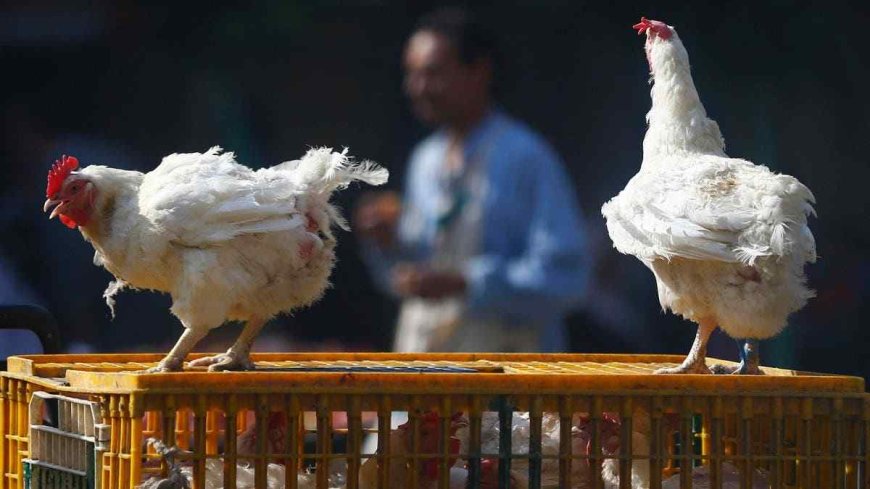
Saudi Arabia Bans Poultry and Egg Imports from 40 Countries Including India Amid Health Concerns
Riyadh, Saudi Arabia — Saudi authorities have taken decisive action to safeguard public health and reinforce food safety by imposing a complete ban on the import of poultry and table eggs from 40 countries, including major exporters such as India, China, the United Kingdom, Germany, and Bangladesh. The sweeping restrictions are part of a precautionary effort to reduce the risk of animal disease transmission — particularly that of highly pathogenic avian influenza (HPAI) — and to strengthen the safety of the local food supply for Saudi consumers.
The Saudi Food and Drug Authority (SFDA) announced the updated import controls following an ongoing review of global epidemiological data and changing disease patterns that have affected poultry populations worldwide. In addition to the full ban on imports from the 40 listed nations, the SFDA has also placed partial restrictions on poultry products from key regions within 16 other countries, signalling a targeted and dynamic approach to risk mitigation that balances food security with health protection.
Scope of the Ban and Affected Countries
The full ban encompasses a broad and diverse group of nations from multiple continents, reflecting the global nature of avian influenza outbreaks. According to the SFDA's latest update, imports of poultry meat and table eggs from countries including Afghanistan, Azerbaijan, Germany, Indonesia, Iran, Bosnia and Herzegovina, Bulgaria, Bangladesh, Taiwan, Djibouti, South Africa, China, Iraq, Ghana, Palestine, Vietnam, Cambodia, Kazakhstan, Cameroon, South Korea, North Korea, Laos, Libya, Myanmar, the United Kingdom, Egypt, Mexico, Mongolia, Nepal, Niger, Nigeria, India, Hong Kong, Japan, Burkina Faso, Sudan, Serbia, Slovenia, Ivory Coast, and Montenegro are now prohibited.
This decision represents one of the most extensive updates to Saudi import controls in recent years and reflects the authority's commitment to preventing the introduction of diseases that could affect both animal and human health through contaminated products.
Partial Restrictions on Selected Regions
Alongside the full bans, the Saudi authorities have also imposed partial import restrictions on specific provinces, states, and cities in 16 countries, rather than banning imports nationally in a blanket approach. These targeted measures apply to certain areas of Australia, the United States, Italy, Belgium, Bhutan, Poland, Togo, Denmark, Romania, Zimbabwe, France, the Philippines, Canada, Malaysia, Austria, and the Democratic Republic of Congo.
Under this arrangement, only poultry and egg products originating from high-risk regions — as determined by recent disease surveillance and risk assessments — are restricted, allowing trade to continue from areas deemed safe. This tailored approach allows for continued trade from low-risk areas while still addressing health concerns, minimizing economic disruption while maintaining safety standards.
Reasoning Behind the Measures
The SFDA has emphasised that this regulatory update is grounded in global health developments, particularly concerning outbreaks of animal diseases such as the highly pathogenic avian influenza (HPAI) . Although HPAI primarily affects poultry, it can also pose serious risks to animal health and, in rare cases, human health through direct contact with infected birds or contaminated environments.
Bird flu outbreaks have occurred sporadically across different parts of the world in recent years, leading to large-scale culling of millions of birds, significant trade disruptions, and enhanced monitoring by health authorities worldwide. In response, Saudi regulators noted that some bans have been in effect since as early as 2004, while others have been added progressively based on updated risk assessments and international health reports.
The review and update of the banned countries list is ongoing, with officials indicating that changes may be made as global epidemiological conditions evolve and new outbreaks are detected or resolved.
Exemptions for Heat-Treated Products
Importantly, the ban does not apply to all poultry products indiscriminately. The SFDA specified that heat-treated poultry meat and related products that have undergone approved processing methods capable of eliminating avian influenza and Newcastle disease viruses may still enter Saudi markets, provided they meet strict health and safety standards.
To qualify for this exemption, such products must:
Fully comply with the SFDA's approved health standards and specifications, meeting all relevant quality requirements.
Be accompanied by a health certificate issued by competent authorities in the exporting country, verifying that products meet safety standards.
Demonstrate that processing effectively neutralised relevant pathogens through validated methods.
Originate from approved facilities recognised for meeting stringent sanitary protocols and regularly inspected.
This exception aims to strike a balance between protecting public health and allowing continued trade in processed poultry products that pose minimal disease risk due to their treatment.
Implications for Trade and Public Health
The new restrictions are expected to have significant implications for global poultry exporters, especially countries like India that previously supplied substantial volumes of poultry and eggs to Saudi markets as part of growing bilateral trade. Traders, exporters, and industry associations will likely need to navigate these regulations carefully to ensure compliance, explore alternative markets where possible, and certify products where exemptions are applicable.
For Saudi consumers, the measures are designed to bolster food safety and reduce the likelihood of animal disease transmission entering the country through imported food products, protecting both the domestic poultry industry and public health. As global health authorities continue monitoring disease trends, Saudi food regulators have underscored their intent to adjust import policies to align with the latest scientific and epidemiological data.
Impact on Specific Countries
For India, the ban represents a significant challenge for poultry exporters who had developed Saudi Arabia as a key market. Indian poultry producers may need to seek alternative export destinations or invest in heat-processing facilities to qualify for exemptions.
Similarly, European exporters like Germany and the UK will need to work with Saudi authorities to demonstrate that their disease surveillance and control measures meet Saudi requirements.
Looking Ahead
In summary, Saudi Arabia's comprehensive ban on poultry and egg imports from 40 countries — including India — reflects a heightened focus on disease prevention and food safety, with flexible mechanisms for partial restrictions and exemptions to support both public health and trade continuity. The measures demonstrate how countries must balance food security with health protection in an interconnected world.
Saudi Arabia tightens import controls. 40 countries affected. Global poultry trade adjusts.