


























India Releases First Sarcopenia Guidelines as Hidden Muscle Loss Affects Older Adults
Indian doctors issue first national guidelines for sarcopenia, the age-related loss of muscle mass and strength. Condition affects up to 40% of hospitalized elderly, risking falls, frailty, disability.

India's First Sarcopenia Guidelines Released: Hidden Muscle Loss Threatens Millions of Older Adults
New Delhi, India — Indian doctors have issued a warning about a largely overlooked health problem that could affect millions of people as they age — sarcopenia, a condition marked by the gradual loss of muscle mass and strength that can silently rob older adults of their independence. In response to the growing concern, medical experts have released the country's first national guidelines aimed at detecting and managing this condition early to prevent disability and loss of independence among older adults.
A Hidden but Serious Health Threat
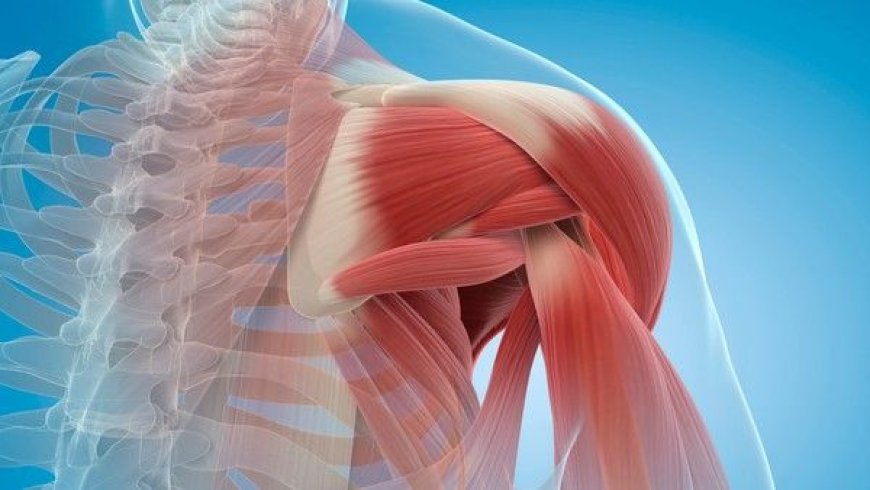
Sarcopenia literally means "loss of flesh" and refers to the natural decline in muscle mass, strength and physical performance that occurs with ageing, often unnoticed until it's too late. While many people worry about weight gain as they get older, experts say muscle loss often goes unnoticed even though it can significantly affect overall health and quality of life.
Doctors say the condition can lead to frailty, reduced mobility, increased risk of falls and fractures, and a greater likelihood of hospitalisation. In severe cases, it can also reduce a person's independence and quality of life, making everyday tasks difficult or impossible.
The issue is becoming increasingly important as India's population ages rapidly. According to projections, the country could have around 319 million people aged 60 and above by 2050, meaning a large number of citizens may be at risk of muscle loss and related health complications.
First National Guidelines on Sarcopenia
To tackle the problem, the Geriatric Society of India has introduced the country's first "Indian Guidelines for the Evaluation and Management of Sarcopenia." The recommendations were developed by a panel of experts from several medical fields, including geriatrics, orthopaedics, endocrinology, nutrition and physiotherapy.
The aim of the guidelines is to help doctors detect muscle loss earlier and intervene before it leads to disability. According to the experts involved in drafting the recommendations, muscle health is a critical component of healthy ageing that has been neglected for too long.
Dr O.P. Sharma, who led the effort, emphasised that maintaining muscle strength helps older people remain active and independent. He stressed that early diagnosis and lifestyle changes can slow or even prevent the progression of the condition.
How Common Is the Condition?
Studies indicate that sarcopenia affects 8–18% of older adults living in the community, while the prevalence may rise to 25–40% among hospitalised elderly patients, making it a major concern in healthcare settings. The risk is higher in people suffering from chronic illnesses such as diabetes and other metabolic disorders.
Muscle loss often begins earlier than many people realise. Experts say individuals may start losing 1–2% of muscle mass each year in their 30s and 40s, with the rate increasing further as they grow older. Lifestyle factors such as sedentary behaviour, poor nutrition and chronic disease can accelerate the process significantly.
Warning Signs Doctors Want People to Watch For
The guidelines encourage physicians to look for early indicators of sarcopenia. These include:
-
Reduced grip strength
-
Slower walking speed
-
Difficulty standing up from a chair
-
General weakness during everyday activities
To identify people at risk, doctors may use simple screening tools like the SARC-F questionnaire, which assesses symptoms related to muscle weakness and mobility problems. Such tools can help detect the condition in primary healthcare settings before it becomes severe.
Preventing Muscle Loss
Experts say the condition is not inevitable and can be slowed through lifestyle changes, offering hope for proactive ageing. The new guidelines stress the importance of regular physical activity, especially strength and resistance exercises, which help maintain muscle mass.
Adequate nutrition also plays a crucial role. Older adults are advised to ensure sufficient protein intake along with essential vitamins and minerals to support muscle repair and growth. Staying active, maintaining a balanced diet and undergoing regular health check-ups can significantly reduce the risk of severe muscle loss.
Importance of Awareness
Doctors say one of the biggest challenges in tackling sarcopenia is lack of awareness. Because the decline in muscle strength happens gradually, many people dismiss it as a normal part of ageing and do not seek medical advice until serious problems occur.
With India's elderly population set to rise sharply in the coming decades, health experts believe that early screening, awareness campaigns and lifestyle interventions will be key to preventing sarcopenia from becoming a major public health burden.
Conclusion
The new guidelines represent an important step toward recognising muscle health as a vital component of healthy ageing and ensuring that older adults can maintain mobility, independence and quality of life for as long as possible.
India's ageing population faces a hidden threat: muscle loss. New guidelines aim to fight sarcopenia before it steals independence.