





























Major Warning: Saudi Arabia Announces Heavy Penalties for Unauthorized Hajj Pilgrims
Saudi Arabia imposes SR20,000 fines and 10-year entry bans for unauthorized Hajj pilgrims, with facilitators facing up to SR100,000 penalties.

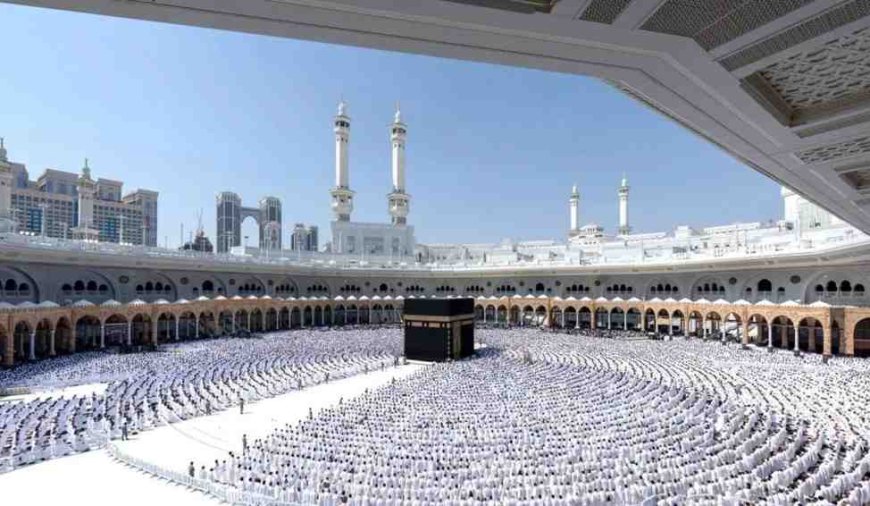
Saudi Arabia Announces Strict Penalties for Illegal Hajj Entry: SR20,000 Fine and 10-Year Ban
Saudi Arabia has introduced stringent new penalties aimed at preventing unauthorized participation in the annual Hajj pilgrimage, reinforcing its efforts to regulate the movement of pilgrims and ensure safety during one of the world’s largest religious gatherings. The rules are now stricter than ever.
According to official statements from the Saudi Ministry of Interior, individuals found performing Hajj without an official permit—or assisting others in doing so illegally—will face severe financial penalties, deportation, and long-term bans from re-entering the Kingdom. The new measures are part of a broader enforcement drive ahead of the upcoming Hajj season. No shortcuts allowed.
Under the updated regulations, individuals who attempt to perform Hajj without the required permit will face fines of up to SR20,000 (approximately Rs 4.98 lakh). The same penalty applies to visitors who enter or remain in restricted holy areas without authorization during the designated Hajj period. Heavy fines for violators.
However, significantly higher penalties have been imposed on those who facilitate illegal pilgrimage arrangements. Anyone involved in helping unauthorized pilgrims—including organizing visit visas, arranging transport to Makkah, or providing accommodation—can be fined up to SR100,000 (around Rs 24.9 lakh). Authorities have also warned that the fine may increase depending on the number of violations involved. Facilitators face even harsher penalties.
Officials said this category of punishment targets individuals and networks that profit from bypassing official Hajj systems, which are strictly regulated due to the large number of pilgrims and limited capacity of holy sites. Targeting illegal networks.
In addition to financial penalties, the government has introduced strict immigration consequences for offenders. Individuals caught entering Makkah illegally or overstaying their visas during the restricted Hajj period will face deportation from Saudi Arabia. Deportation for violators.
They will also be barred from re-entering the Kingdom for up to 10 years, making the violation particularly serious for expatriates and foreign visitors. Authorities have also indicated that courts may order the confiscation of vehicles used to transport unauthorized pilgrims, further strengthening enforcement measures. 10-year ban and vehicle confiscation.
The new rules will be enforced from April 18 until mid-June, covering the peak Hajj season when millions of pilgrims from around the world travel to Saudi Arabia. During this time, access to Makkah and other holy sites will be strictly controlled, and entry will only be permitted for individuals with valid Hajj permits. Strict enforcement during peak season.
Officials emphasized that the objective of these measures is to ensure order, safety, and smooth management of pilgrim movement. Saudi Arabia typically tightens regulations during Hajj due to the extreme crowd density and logistical challenges involved in hosting such a large international religious event. Safety and order first.
The Ministry of Interior has urged residents, expatriates, and visitors to strictly comply with Hajj regulations and avoid attempting to bypass official procedures. It also called on the public to report any violations or suspicious arrangements that could facilitate illegal entry into the pilgrimage. Public urged to report violations.
Authorities highlighted that legal channels for performing Hajj are clearly defined and that any attempt to circumvent the system undermines both safety and the fairness of the pilgrimage quota system assigned to countries. Legal channels only.
Officials added that individuals who receive penalties will have the right to challenge fines through formal legal procedures. Offenders can file grievances within 30 days and appeal decisions before administrative courts within 60 days, ensuring due process under Saudi law. Right to appeal.
Saudi Arabia’s latest enforcement measures reflect its continued focus on managing Hajj with strict regulatory oversight. With heavy fines, deportation orders, and a 10-year ban for violators, the Kingdom is sending a clear message that unauthorized pilgrimage attempts will not be tolerated. Zero tolerance for unauthorized Hajj.
The policy underscores the importance of compliance with official Hajj permits, especially as the country prepares to host millions of pilgrims in the coming season under tightly controlled conditions. Compliance is key. The message is clear. Hajj permits are mandatory.