



















Clear Message: Saudi Crown Prince Blocks Use of Kingdom’s Land for Iran Strike
Saudi Crown Prince Mohammed bin Salman rules out Saudi territory being used for military action against Iran in call with President Pezeshkian, urging dialogue to de-escalate regional tensions.

Saudi Arabia Rejects Use of Its Territory for Military Action Against Iran, Crown Prince Tells President
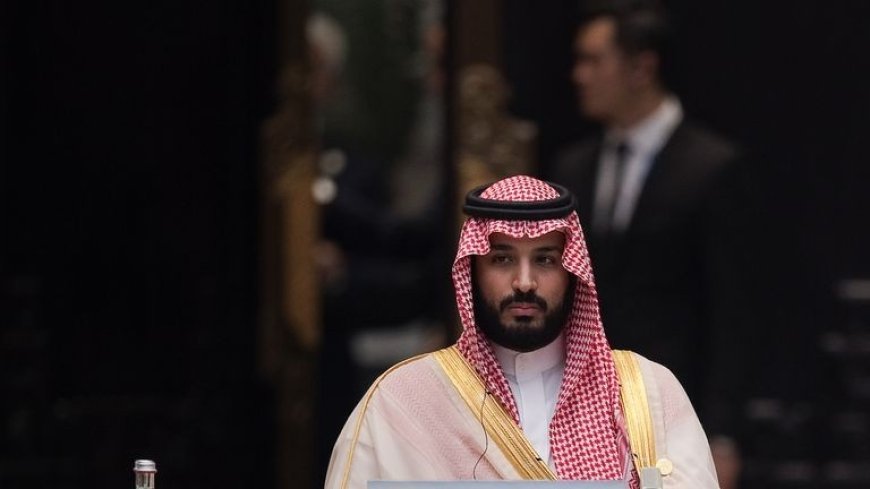
In a significant diplomatic move, Saudi Crown Prince and Prime Minister Mohammed bin Salman has firmly declared that the Kingdom will not allow its airspace, land, or territory to be used for any military operations against Iran. The statement was made during a direct phone conversation with Iranian President Masoud Pezeshkian, highlighting a critical channel of communication between the two regional powers amid escalating tensions.
According to the Saudi Press Agency (SPA), the Crown Prince emphasized Saudi Arabia's respect for Iran’s sovereignty and territorial integrity. He explicitly ruled out permitting any external party to leverage Saudi territory for attacks on Tehran, reinforcing a stance of neutrality and strategic caution. This assurance comes at a time of heightened regional strain, particularly following recent U.S. military deployments to the Middle East.
A Firm Stance for Dialogue and De-escalation
Going beyond a simple refusal of military involvement, Crown Prince Mohammed bin Salman affirmed Saudi Arabia’s commitment to resolving disputes through diplomatic dialogue and negotiation. He stressed that peaceful solutions are essential for enhancing regional security and stability. This emphasis on diplomacy underscores Riyadh's strategic preference for de-escalation, even amid external pressures and long-standing rivalries.
Iranian media reported that President Pezeshkian welcomed initiatives operating within international law to prevent war. He expressed appreciation for Saudi Arabia’s position and reiterated Tehran’s interest in avoiding conflict, noting that any process aimed at peace would be positively received.
Context of U.S.-Iran Tensions and Gulf Alignments
The leaders' discussion occurred against a backdrop of heightened U.S.-Iran tensions. The reported presence of a U.S. naval force in the region has fueled speculation, with former U.S. President Donald Trump having described such deployments as a deterrent while stating combat is not the preferred outcome.
Saudi Arabia's position aligns with a similar pledge from the United Arab Emirates (UAE), which also stated it would not allow its territory to be used for hostile action against Iran. This growing Gulf consensus toward non-participation complicates the logistical and diplomatic backing for any potential external military strikes, signaling a regional inclination toward stability.
Also Read: Major Diplomatic Boost: Saudi Arabia and Poland Sign Key Visa Exemption Agreement
Strategic Implications and Regional Stability
Analysts note that Saudi Arabia's restrained approach reflects a complex balancing act. While vigilant about national security, Riyadh appears keen to avoid direct confrontation and maintain open channels of communication. This shift toward strategic caution could encourage further diplomatic outreach between Tehran and its Gulf neighbors, potentially opening doors for dialogue on security and economic cooperation.
The Crown Prince’s comments underscore a volatile Middle East landscape where proxy conflicts and international pressures intersect. By distancing itself from potential military action, Saudi Arabia sends a clear message prioritizing conflict avoidance and diplomatic engagement, a stance that will significantly influence the region's geopolitical dynamics in the coming months.