

























Major Economic Boost: Saudi Arabia Abolishes Expatriate Worker Fees to Supercharge the Industrial Sector
Saudi Arabia abolishes expatriate worker fees for industrial sector to boost competitiveness & investment. Learn how this Vision 2030 policy reduces costs for factories.

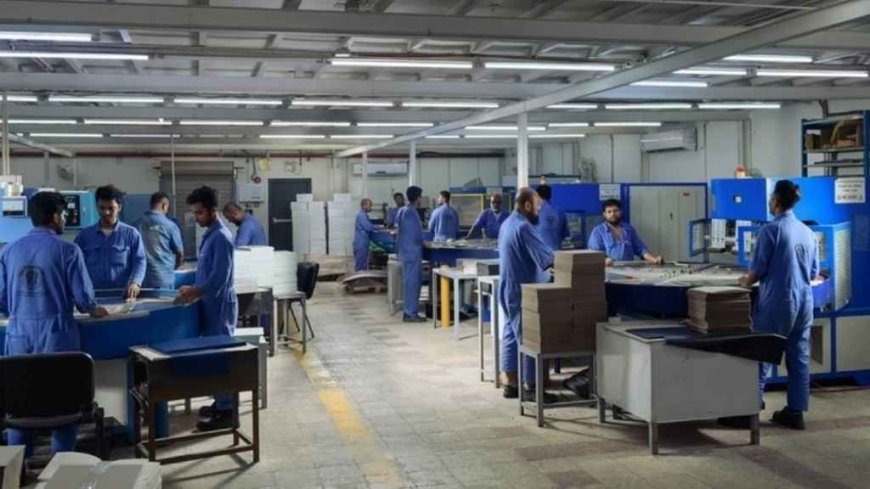
Saudi Arabia Abolishes Expatriate Worker Fees to Boost Industrial Sector
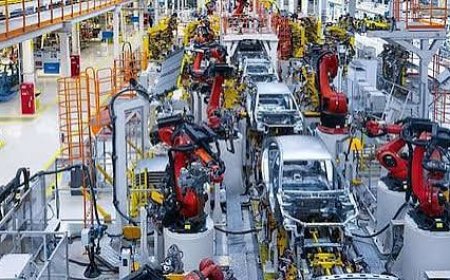
In a decisive move to strengthen its industrial economy, Saudi Arabia has officially abolished all fees imposed on expatriate workers within factories and licensed industrial facilities. This landmark decision, approved by the Council of Ministers and championed by Crown Prince Mohammed bin Salman, directly supports the Saudi Vision 2030 goals of economic diversification, reducing operational costs for manufacturers, and enhancing global competitiveness.
Understanding the Policy Change
The new directive completely removes the recurring expatriate worker levy (often tied to iqama residency permits) that industrial employers were required to pay. This fee abolition applies to all licensed operations under the Kingdom's industrial licensing system, including manufacturing and processing plants. The move was recommended by the Council of Economic and Development Affairs (CEDA) as a strategic measure to empower the Saudi industrial sector.
Alignment with Saudi Vision 2030
This initiative is a cornerstone of Saudi Arabia's economic transformation. Vision 2030 identifies industrialization as a critical engine for job creation, innovation, and reducing oil dependence. By eliminating this financial burden, the government aims to:
-
Increase the global competitiveness of Saudi manufacturers.
-
Free up capital for reinvestment into expansion, technology adoption, and workforce development.
-
Create a more attractive and predictable business environment for investors.
Bandar Alkhorayef, Minister of Industry and Mineral Resources, stated this decision reflects direct support for industrial growth, enabling national factories to scale production and compete more effectively in international markets.
Impact: Reducing Costs and Driving Investment
The removal of the expat levy represents a significant reduction in operating costs, especially for labor-intensive industries. Previously, these fees constituted a substantial annual overhead. Companies can now redirect these funds toward:
-
Advanced manufacturing solutions like automation and AI.
-
Expanding production capacity and improving efficiency.
-
Enhancing worker training and development programs.
Economists note this policy sends a powerful signal to foreign and local investors about Saudi Arabia's commitment to a supportive, cost-competitive industrial ecosystem, crucial for attracting high-quality investments.
Building on a Foundation of Growth
This reform builds upon years of robust sector expansion. Key achievements from 2019 to end-2024 include:
-
Number of industrial facilities grew from ~8,800 to over 12,000.
-
Total industrial investment rose 35% to SR 1.22 trillion.
-
Industrial GDP increased by more than 56%.
-
Sector employment surged by approximately 74%.
Government incentives, including prior fee exemption periods, were instrumental in this growth, laying the groundwork for this permanent abolition.
Future Outlook for Saudi Industry
The fee abolition is expected to accelerate Saudi Arabia's rise as a leading regional manufacturing hub. By lowering production barriers, the Kingdom aims to integrate deeper into global supply chains and spur non-oil export growth. With plans to unveil hundreds of new industrial investment opportunities worth over SR 1 trillion and a goal to nearly triple industrial GDP by 2035, Saudi Arabia is firmly positioning itself for long-term, diversified industrial dominance.
In summary, Saudi Arabia's elimination of expatriate worker fees is a transformative policy designed to fuel industrial growth, attract strategic investment, and solidify the non-oil economy's role in achieving the ambitious targets of Vision 2030.