






















US Pressures Saudi Arabia Over Fighter Jet Deals With Pakistan (JF-17) and Turkey (KAAN)
Washington objects to Saudi plans to acquire JF-17 jets from Pakistan and KAAN fighters from Turkey, fearing erosion of US defense influence. Riyadh seeks strategic autonomy amid F-35 delays.

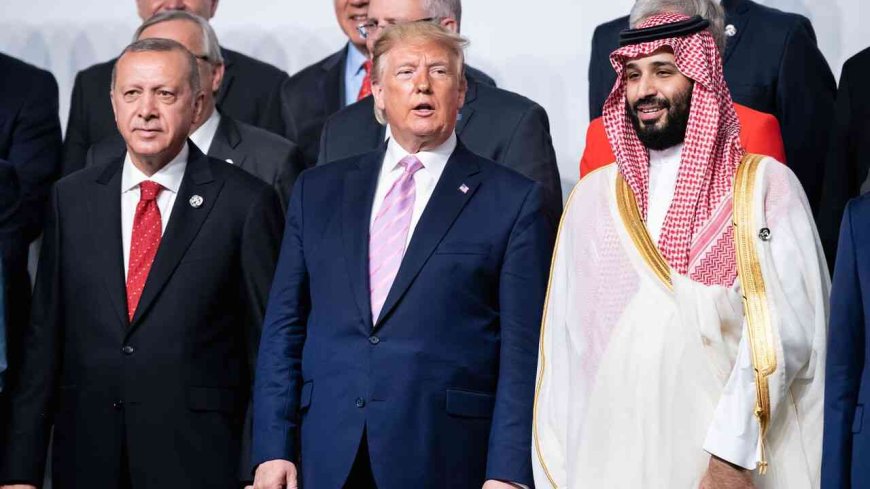
U.S. Pressures Saudi Arabia Over Fighter Jet Deals With Pakistan and Turkey
Washington/Riyadh — Tensions are rising over Riyadh's efforts to diversify its combat aircraft acquisitions, as the United States pushes back against Saudi Arabia's plans to buy fighter jets from Pakistan and Türkiye. Washington's objections illustrate deeper geopolitical frictions over military influence in the Middle East and the kingdom's pursuit of greater strategic autonomy.
At the heart of the dispute are two major prospective defence deals that have drawn U.S. scrutiny:
-
Discussions between Saudi Arabia and Pakistan over the possible purchase of JF-17 Thunder multirole fighter jets—lightweight combat aircraft developed jointly by Pakistan and China
-
Saudi interest in Turkish-made fighters, particularly the advanced "KAAN" fifth-generation jet being developed by Turkish Aerospace Industries
Washington's Concerns: Strategic and Political
According to reports, senior U.S. officials have made clear they are uncomfortable with these potential arms deals. In Washington's view, accepting military aircraft built with Chinese involvement or outside U.S. defence industrial channels could undermine American influence in the Gulf and complicate alignment on broader security issues.
The dispute reflects long-running strategic dynamics between Riyadh and Washington. Historically, the United States has been Saudi Arabia's main source of advanced combat aircraft and military technology. High-end platforms such as the F-15 Eagle series and, more recently, prospective discussions about the F-35 Lightning II, have dominated defence cooperation between the two countries for decades.
However, repeated delays and bureaucratic obstacles to major U.S. sales—especially the coveted F-35 stealth fighter—have frustrated Saudi planners and encouraged them to explore alternative suppliers. This search for alternatives has included engaging with Pakistan on JF-17 jets and holding talks with Türkiye on its KAAN fighter project.
Pakistan's Offer: JF-17 Fighters as Loan Repayment
Saudi-Pakistan defence cooperation itself is rooted in a deep and historic relationship. The two countries signed a Strategic Mutual Defence Agreement in 2025, committing to mutual security support and cooperation.
Building on that foundation, Islamabad proposed an innovative plan: rather than repaying outstanding loans in cash, Saudi Arabia could accept JF-17 fighter aircraft—a move that would bolster Pakistan's defence industry while enhancing Riyadh's combat fleet.
JF-17 Thunder key specifications:
-
Lightweight, multirole combat aircraft
-
Produced jointly by Pakistan Aeronautical Complex and China's Chengdu Aircraft Corporation
-
Widely exported, known for affordability and adaptability
-
Capable of air-to-air and air-to-ground missions
-
Operational with multiple air forces including Pakistan, Myanmar, and Nigeria
However, critics in the U.S. view China's involvement as a liability in the volatile Middle East security context. Beijing's growing defence ties with regional states are viewed with suspicion in Washington, which sees Chinese military technology as potentially undermining U.S. influence and intelligence security.
U.S. pressure reportedly led Saudi authorities to shelve or delay the JF-17 deal, a development seen as a setback for Pakistan's armed forces leadership, who had championed the burgeoning defence partnership.
Turkish Jets on the Table
Saudi Arabia's defence diversification efforts go beyond Pakistan. High-level talks between Riyadh and Ankara explored acquiring Turkish "KAAN" fighter jets, an indigenous fifth-generation aircraft under development in Türkiye.
KAAN fighter key features:
-
Fifth-generation stealth design
-
Advanced avionics and sensor fusion
-
Supercruise capability
-
Internal weapons bay
-
Designed to compete with Western fifth-generation fighters
Unlike the JF-17, the KAAN is designed to compete with Western fifth-generation fighters in advanced roles, including air superiority and multirole missions. Saudi interest in the platform is part of a broader strategic effort to reduce reliance on a single supplier and strengthen defence ties with NATO-aligned partners.
Nevertheless, U.S. officials have also expressed reservations about Riyadh pursuing large purchases outside established Western defence collaborations. These concerns reflect broader geopolitical competition and worries that such shifts could weaken the U.S. role in regional security frameworks.
Why the Kingdom Is Diversifying
Saudi Arabia's push to explore alternative suppliers is not solely a reaction to U.S. pressure. The kingdom is modernising its military in response to evolving threats—from Iranian missile and drone attacks to broader security challenges in Yemen and across the Gulf.
Key drivers of diversification:
F-35 frustration:
Despite years of interest, Saudi Arabia has not secured approval to purchase F-35 stealth fighters, a source of ongoing diplomatic friction. Israel's regional monopoly on fifth-generation aircraft has complicated U.S. sales to Gulf states.
Vision 2030 goals:
Riyadh's economic transformation strategy encourages the development of a domestic defence industry and deeper partnerships with emerging aerospace producers like Türkiye. Procuring fighter jets from non-Western partners aligns with these ambitions, even if doing so strains relations with traditional allies.
Strategic autonomy:
Like many nations, Saudi Arabia seeks to reduce over-reliance on any single supplier. Diversification provides leverage in negotiations and ensures alternatives exist if primary partnerships falter.
Regional competition:
The UAE and other Gulf states have also pursued diversified defence relationships, creating competitive pressure for Saudi Arabia to explore all available options.
Regional Implications
The controversy over fighter jet deals highlights the shifting dynamics of Middle Eastern security. Saudi Arabia's pursuit of diversified defence relationships reflects broader trends, with Gulf states increasingly seeking autonomy in capability development and reducing over-reliance on any single superpower.
Potential implications:
For U.S.-Saudi relations:
The dispute could strain ties if Riyadh perceives Washington as obstructing legitimate defence needs while failing to deliver on requested systems like the F-35.
For Pakistan:
The JF-17 deal's delay represents a setback for Pakistan's defence export ambitions and its strategic partnership with Saudi Arabia.
For Turkey:
Saudi interest in KAAN provides Ankara with a major potential export customer, validating its indigenous fighter programme and strengthening bilateral ties.
For China:
JF-17 discussions keep Beijing's defence industry engaged in the region, even if this specific deal falters.
For regional balance:
How Riyadh balances its desire for independent defence partnerships with the strategic weight of U.S. alliances will remain an important barometer of shifting geopolitical alignments.
What's Next
In the coming months, several factors will shape outcomes:
-
U.S. decisions on F-35 availability could reduce Saudi interest in alternatives
-
Progress on KAAN development will determine its viability as an option
-
Pakistan-Saudi financial discussions may find alternative structures
-
Regional security developments could accelerate or delay procurement decisions
Conclusion: A Strategic Crossroads
Saudi Arabia's pursuit of fighter jets from Pakistan and Turkey represents more than routine defence procurement. It signals a strategic shift—a Gulf power asserting its right to choose partners based on national interest rather than historical alignment.
The United States, accustomed to being the defence partner of choice in the Gulf, now faces competition from multiple directions: China through the JF-17, Turkey through KAAN, and domestic Saudi ambitions through Vision 2030.
Whether Washington accommodates this diversification or pushes back harder will shape not only the future of U.S.-Saudi relations but the broader architecture of Middle Eastern security.
For now, the JF-17 deal appears shelved. KAAN discussions continue. F-35 questions remain unanswered.
And Riyadh's message is clear: the kingdom will pursue its defence needs wherever it finds willing partners, even if that means navigating tension with its oldest ally.