
















Saudi Arabia’s Ambitious 2034 World Cup Vision Stumbles: Grand Stadium Plans Hit by Delays and Cost Cuts
Saudi Arabia's 2034 World Cup stadium plans face delays and cost-cutting. Key projects are being revised, signaling potential changes to the kingdom's grand sporting ambitions. Get the latest details here.

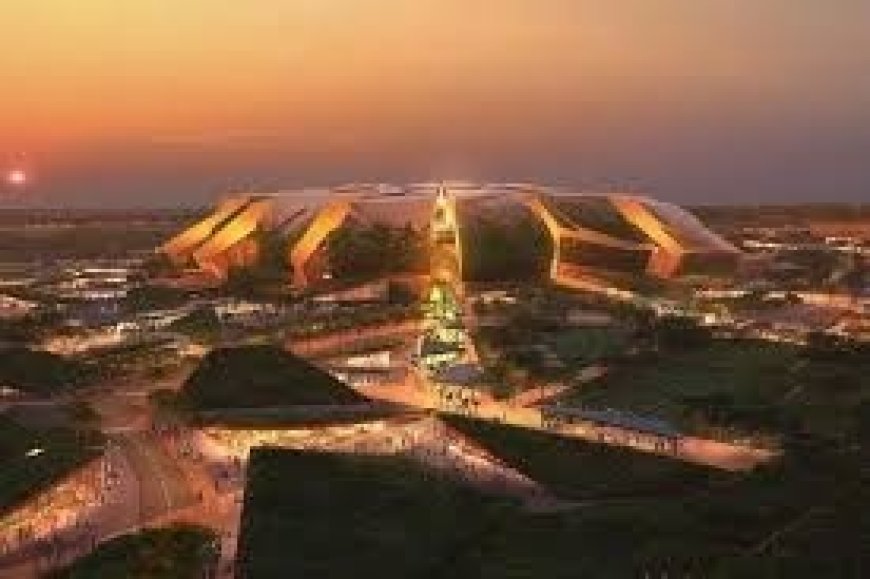
Saudi Arabia’s Grand 2034 World Cup Stadium Plans Hit by Delays and Cost-Cutting
Saudi Arabia’s preparations for the 2034 FIFA World Cup are facing significant headwinds, with key stadium projects experiencing delays and revisions as planners navigate tighter budgets. This scaling back of some grand ambitions reflects broader fiscal pressures and a strategic reassessment within the kingdom, even as it remains committed to hosting the tournament as a centerpiece of Vision 2030.
Revised Ambitions: From 15 Stadiums to a Leaner Model
The original blueprint was staggeringly ambitious: a network of 15 new and renovated stadiums across cities like Riyadh, Jeddah, and the futuristic NEOM. Global design firms like Foster + Partners and Populous were enlisted to create cutting-edge venues. However, directives from the powerful Public Investment Fund (PIF) have mandated cost reductions. Construction timelines are being pushed back, and the total number of venues is under review. Planners are now considering a model closer to the eight stadiums used in Qatar 2022, concentrating matches in fewer, more strategic locations.
Budget Pressures Meet Vision 2030
This recalibration comes amidst fluctuating oil revenues, forcing a re-prioritization of the PIF's vast portfolio, which also includes mega-projects like NEOM and Qiddiya. While hosting the World Cup remains a top-tier goal for diversifying the economy and boosting global stature, even flagship Vision 2030 projects are subject to new fiscal scrutiny. The adjustments signal a more pragmatic phase, balancing transformative ambition with financial sustainability.
High-Profile Projects Under Review
Among the venues affected is the planned centerpiece, the King Salman International Stadium in Riyadh, designed to seat over 92,000 spectators. Other iconic concepts, like the futuristic NEOM Sky Stadium—a 46,000-seat arena proposed to be built high above ground—face uncertainty regarding their feasibility and timelines. The focus is shifting towards optimizing existing infrastructure and ensuring the core tournament delivery remains on track, even if some visionary designs are deferred.
Broader Scrutiny and Challenges
The delays have sparked debate among fans and analysts, with some viewing them as a natural part of complex mega-project planning and others as a sign of initial overreach. Furthermore, the stadium projects operate under intense international scrutiny regarding labor standards and human rights, with advocacy groups urging FIFA and Saudi authorities to ensure strong protections for migrant workers on construction sites.
The Path Forward
Despite these challenges, Saudi officials express unwavering confidence in delivering a successful World Cup. The current revisions are framed as prudent steps to ensure long-term stability without compromising the event's core success. The world will be watching closely as Saudi Arabia navigates this pivotal decade, testing its ability to marry its grand Vision 2030 ambitions with the grounded realities of project management and global expectations.