























Jharkhand Migrant Worker Killed in Saudi Arabia: Family Refuses to Accept Body Until Compensation Assured
Family of Vijay Mahato, 27, from Giridih refuses to take his body after he was killed in Saudi crossfire. They demand compensation from employer before performing last rites.

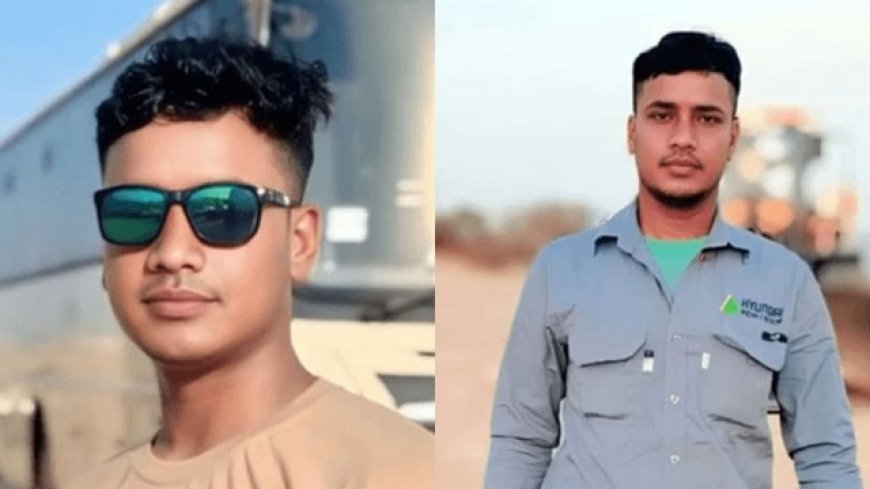
Jharkhand Migrant Worker Killed in Saudi Arabia: Family Refuses to Accept Body Until Compensation Assured
Giridih, Jharkhand — The remains of a migrant worker from Jharkhand's Giridih district, killed abroad nearly four months ago, have finally returned to India—but the family's grief has turned into a tense standoff over compensation and employer accountability. The body of 27-year-old Vijay Kumar Mahato reached Ranchi Airport earlier this week, approximately 120 days after he was fatally injured in a deadly incident in Saudi Arabia. Despite the long wait and immense emotional turmoil, his loved ones have refused to accept the remains until they receive clear assurances about compensation from his employer.
A Fatal Incident Far from Home
Mahato, a resident of Dudhapania village in Dumri block, was working overseas as a tower line fitter under a private contractor when tragedy struck in October 2025. According to his family, he was on a delivery assignment in the Jeddah region of Saudi Arabia when gunfire erupted between local police and a gang of criminals. In that crossfire, Vijay was struck by a bullet and sustained critical injuries. Despite being rushed for medical care, he ultimately succumbed to his wounds.
His death sent shockwaves through his village and left his family in distress. For months, they awaited news about the repatriation of his remains while grappling with unanswered questions about compensation, employer accountability, and their uncertain future.
Return of the Remains
After a protracted process involving diplomatic clearance and coordination with Saudi authorities, Vijay's body was flown back to Ranchi via Mumbai. Local officials and police were present to receive the mortal remains at the airport. The body was then taken to the mortuary at Rajendra Institute of Medical Sciences (RIMS) , where it remains under custody.
However, rather than bringing it home for funeral rites, the family took the startling step of refusing to accept the body immediately. They have made it clear that they will only carry out the last rites once their key demand—clarity on compensation and support from the employer—is met.
Family's Concerns and Demands
The emotional toll on Vijay's family has been devastating. His wife, Basanti Devi, and his father, Surya Narayan Mahato, are now left to care for two young sons aged five and three, as well as elderly parents. The family has no regular source of income, making Vijay's death not just a personal loss but a financial catastrophe.
Basanti and her relatives have expressed frustration that they have received little communication from the employer since Vijay's death. More than anything, they want written assurance that the company will pay fair compensation and take responsibility for what happened.
"It's not that we don't want to take our loved one home—but we need security for the future of his children," said his brother-in-law, Ram Prasad Mahato.
The family's position underscores a common plight among migrant workers' families when tragedy strikes far from home: legal uncertainty, slow employer responses, and lack of financial protection can compound grief and delay closure.
Government Assistance and Legal Complexities
Officials from the Jharkhand Migrant Control Cell confirmed they had been informed by the Indian Embassy in Riyadh when Vijay's body was released for repatriation. They coordinated with district authorities to facilitate the return of the remains, a process that involved legal clearance from Saudi authorities.
Since the case involves a firearm injury and crossfire, it remains under judicial procedures in Saudi Arabia, influencing the timeline and scope of any final compensation settlement.
The state government has offered ₹5 lakh as financial assistance under existing provisions for families of migrant workers who die abroad. However, the Mahato family says this is insufficient and secondary to the compensation they expect from the employer.
Giridih Deputy Commissioner Ram Niwas Yadav stated that local authorities intend to convince the family to accept the body but acknowledged that the compensation issue could take time due to legal proceedings overseas.
Local Reaction and Wider Concerns
The delay in repatriating Vijay's remains and the family's refusal to accept them have drawn attention and sympathy from villagers and community leaders in his native area. Many residents highlighted that workers from Jharkhand frequently travel to the Gulf region in search of jobs—particularly in infrastructure and power sector projects—because of limited local employment opportunities. Their families are often left vulnerable when incidents like this occur far from home.
Social activists have called on authorities and the employer to ensure timely compensation and support for the bereaved family, warning that protests could be organized if their demands are ignored. The situation has spotlighted ongoing concerns around:
-
Worker safety in overseas employment
-
Migrant worker rights and protections
-
Cross-border accountability of private contractors
-
Financial security for families of deceased workers
The Migrant Worker Reality
Vijay Mahato's story is tragically common. Millions of Indians work abroad, many in dangerous occupations with limited legal protections. When disaster strikes, families face:
-
Lengthy bureaucratic processes for body repatriation
-
Unclear compensation pathways across international jurisdictions
-
Limited communication from foreign employers
-
Inadequate government support relative to need
-
Emotional trauma compounded by financial uncertainty
The ₹5 lakh government assistance, while welcome, represents only a fraction of what a family loses when its primary breadwinner dies. Long-term financial security requires meaningful compensation from those legally responsible.
Next Steps
For now, Vijay's body remains at RIMS as the family waits for a written commitment from the employer regarding compensation. District officials and migrant welfare teams continue discussions with them, hoping to resolve the standoff so that final rites—a cultural and emotional closure—can take place.
The employer has yet to issue any public statement or provide the assurances the family seeks. Without such commitments, the body may remain in mortuary custody indefinitely.
Also Read: Acer ASUS Sales Banned in Germany: Nokia Patent Dispute Halts PC and Laptop Sales
Conclusion: Grief on Hold
Vijay Mahato died in a foreign land, caught in violence he never sought. Four months later, his body has returned home—but his family cannot bury him. They cannot mourn. They cannot begin to heal.
Instead, they wait. They wait for an employer to acknowledge responsibility. They wait for compensation that might feed their children. They wait while their loved one lies in a mortuary, unclaimed not from lack of love, but from desperation for justice.
This is the hidden cost of migrant labor—the risk that when tragedy strikes, families are left not only grieving but fighting. Fighting for answers. Fighting for accountability. Fighting for the means to survive after the breadwinner is gone.
Vijay's body is home. His family's fight continues. And a village waits to finally lay their son to rest.