






























Acer ASUS Sales Banned in Germany: Nokia Patent Dispute Halts PC and Laptop Sales
German court bans Acer and ASUS from selling PCs and laptops over Nokia HEVC patent infringement. Official stores offline; third-party retailers still have stock. Full details inside.

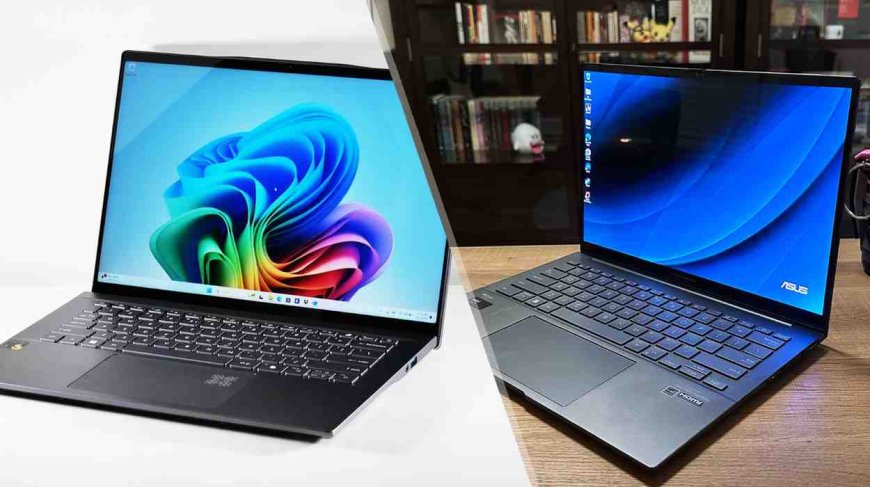
Acer and ASUS Face Germany Sales Ban Over Nokia Patent Dispute: What It Means for Consumers
Berlin, Germany — Two of Taiwan's leading computer manufacturers, Acer and ASUS, are facing a major commercial setback in one of Europe's largest technology markets after a German court ruled they must cease selling certain PCs and laptops in the country due to an ongoing patent dispute with Nokia.
The ruling, issued by the Munich I Regional Court, centers on alleged infringement of patents related to High Efficiency Video Coding (HEVC) technology, also known as H.265—a widely adopted standard essential for efficient video compression and decompression in modern computing devices.
The Patent Dispute: What's at Stake
At the heart of the controversy is a European patent held by Nokia covering HEVC technology, which is embedded in virtually all modern computers and mobile devices. This technology enables:
-
Efficient video streaming across platforms
-
High-quality video conferencing applications
-
Smooth media playback on devices with limited bandwidth
-
Compression standards that reduce file sizes without sacrificing quality
According to German tech publications, the court concluded that both Acer and ASUS had infringed one or more of Nokia's HEVC-related patents and were unwilling to agree to licensing terms that Nokia maintains are FRAND—Fair, Reasonable, and Non-Discriminatory.
Because of this impasse, the court issued injunctions prohibiting both manufacturers from:
-
Offering or marketing affected devices in Germany
-
Importing new inventory into the country
-
Possessing infringing products for commercial purposes
The injunctions take immediate effect, and violations could carry serious consequences, including fines or legal penalties under German law.
Impact on Sales: Official Stores Go Dark
The commercial repercussions have been swift and visible. Both Acer's and ASUS's official online stores in Germany now show significant changes:
Acer Germany:
The company's website has been taken down for maintenance or significantly altered to remove affected products. Acer appears poised to continue selling only monitors and peripherals through its direct online presence, while desktop PCs and notebooks have been effectively pulled from the official German catalogue.
ASUS Germany:
ASUS has similarly restricted its online sales presence, with affected product categories no longer available for direct purchase through manufacturer channels.
Important distinction: Third-party retailers and distribution partners are not directly included in the court's prohibition. This means:
-
Shops and marketplaces such as Amazon, MediaMarkt, and Saturn can continue selling existing stock
-
Products already imported before the ruling took effect remain available
-
Consumers may still find Acer and ASUS devices on shelves—for now
However, without the ability for manufacturers to resupply Germany with new inventory, available stock is expected to shrink progressively over time.
Wider Implications for the German Tech Market
The decision has sparked concern among industry analysts, particularly given the scale of Acer's and ASUS's presence in Germany's consumer and business PC segments.
Both companies are recognised suppliers of:
-
Gaming laptops and high-performance systems
-
Business notebooks for corporate environments
-
General-purpose desktops for education and home use
-
Specialised computing devices across multiple categories
These product lines contribute substantially to their global revenue. A prolonged sales ban could:
-
Shift market share toward competitors such as Lenovo, HP, and Dell
-
Disrupt normal business flows for corporate and individual customers
-
Create supply gaps in popular price points and configurations
-
Affect warranty and support structures for existing customers
HEVC: Standard-Essential Patent Complications
The case highlights how patent enforcement—especially for technologies considered standard-essential—can have far-reaching commercial consequences.
Under international intellectual property norms:
-
Holders of standard-essential patents must offer licences on FRAND terms
-
Implementers who refuse or fail to secure licences risk injunctions
-
Patent holders can seek court-ordered sales bans, as Nokia has done
While some companies, such as Hisense in earlier related litigation, chose to license the technology and avoid bans, Acer and ASUS appear to be contesting the claims in court rather than agreeing to Nokia's terms.
The dispute underscores the tension between patent holders seeking fair compensation for widely adopted technologies and manufacturers aiming to minimise licensing costs across their product lines.
What Comes Next: Appeals and Negotiations
Both Acer and ASUS are reported to be considering their legal options and may appeal the German ruling, aiming either to:
-
Overturn the decision on technical or procedural grounds
-
Negotiate more favourable licensing conditions with Nokia
-
Seek alternative resolutions through mediation or settlement
The outcome of such appeals or negotiations will largely determine when—or if—the two brands can resume normal sales activity in Germany. Until then, the ban stands.
What German Consumers Should Know
For consumers in Germany, the near-term impact may be limited:
-
Existing retailer stock remains available for purchase
-
Third-party platforms continue offering affected models
-
Warranty and support obligations remain unaffected for already-purchased devices
However, over the coming months, as stock diminishes:
-
Shortages may develop for popular models and configurations
-
Price fluctuations could occur due to reduced supply
-
New model availability from these brands will be delayed or absent
Consumers seeking new computers may need to:
-
Purchase sooner rather than later to secure desired models
-
Consider alternative brands if specific Acer or ASUS products become unavailable
-
Monitor retailer inventory for remaining stock
Broader Industry Context
The Acer-ASUS case joins a growing list of patent disputes affecting major technology manufacturers in European markets. Standard-essential patent litigation has become increasingly common as:
-
Connected devices incorporate more licensed technologies
-
Patent portfolios change hands through acquisitions
-
Licensing disputes escalate into courtroom battles
-
FRAND interpretations vary across jurisdictions
For the technology industry, such cases serve as reminders that intellectual property rights can directly impact supply chains, consumer choice, and market dynamics—often with little warning.
Also Read: Rajpal Yadav Surrenders to Tihar Jail in ₹9 Crore Debt Case: Bollywood Rallies in Support
Conclusion: Legal Dispute, Real-World Consequences
The German sales ban on Acer and ASUS products transforms a technical patent dispute into tangible commercial reality. What began as licensing negotiations between legal teams has resulted in:
-
Official online stores going dark
-
New inventory unable to enter the country
-
Consumers facing eventual supply constraints
-
Market share potentially shifting to competitors
For now, German consumers can still find Acer and ASUS devices through third-party retailers. But the clock is ticking on available stock, and no resolution timeline has emerged.
Whether through successful appeals, negotiated settlements, or prolonged legal battles, the path to normalcy for these Taiwanese manufacturers in Germany runs through Munich's courtrooms—and Nokia's licensing team.
Sales halted. Stores dark. Stock dwindling.
Germany's tech market just got a lot more complicated for Acer and ASUS.