



















Saudi Aramco Hits 70% Localisation Milestone: $280B GDP Boost, 200K Jobs Created
Saudi Aramco achieves 70% local content under iktva program, contributing $280B to GDP and creating 200K+ jobs. A major win for Vision 2030 and economic diversification.

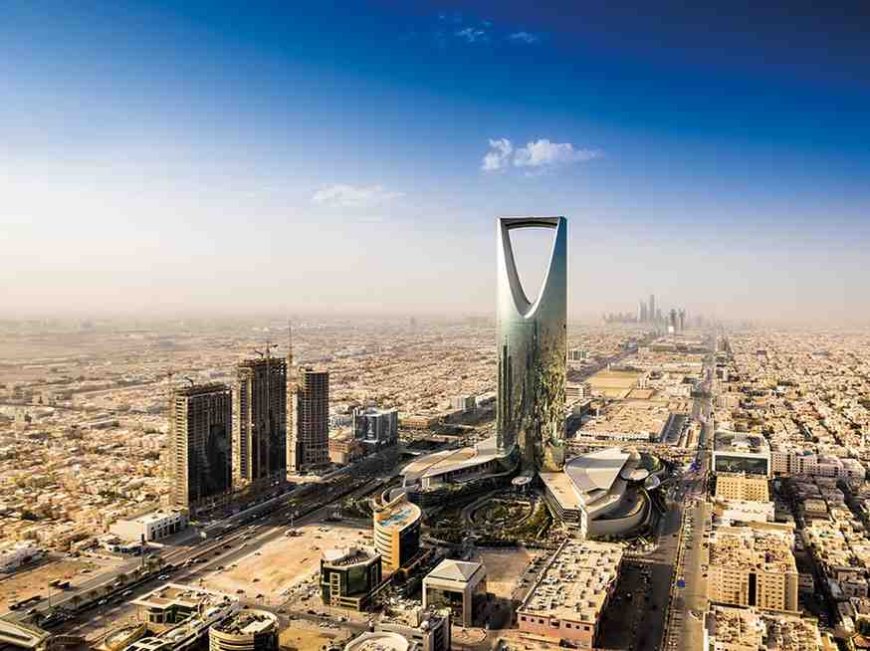
Saudi Aramco Hits Major Localisation Milestone, Boosting Saudi Economy and Attracting Global Investment
Dhahran, Saudi Arabia — Saudi Aramco has achieved a landmark 70 per cent localisation of its supply chain for goods and services under the flagship iktva (In-Kingdom Total Value Add) programme—a milestone that signals profound transformation in the Kingdom's economic structure and accelerating progress toward Saudi Vision 2030.
Announced in February 2026, the achievement culminates more than a decade of strategic procurement reform and industrial development. Aramco has publicly committed to reaching 75 per cent local content by 2030, further deepening domestic integration and expanding opportunities for Saudi manufacturers and service providers.
What 70 Per Cent Localisation Actually Means
The 70 per cent figure represents a fundamental shift in how the world's most valuable oil company operates. A substantial majority of goods, materials, and services required for Aramco's massive operations are now sourced from within Saudi Arabia—a reversal of historical patterns when imports dominated procurement.
This transition encompasses:
-
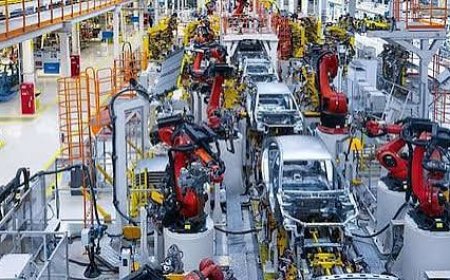
Manufacturing — Industrial components, equipment, and finished goods
-
Construction — Infrastructure development and facility maintenance
-
Technical services — Engineering, consulting, and specialised support
-
Advanced components — High-value inputs previously unavailable domestically
More than a procurement metric, the milestone reflects deliberate, sustained collaboration between Aramco, government entities, and private sector partners to build genuine industrial capacity within the Kingdom.
Economic Impact: GDP, Jobs, and Investment
The iktva programme's economic footprint now registers at national scale.
- GDP contribution: Since its 2015 inception, iktva has contributed more than $280 billion to Saudi Arabia's gross domestic product—making it arguably the most impactful corporate-led economic development initiative in the Kingdom's modern history.
- Job creation: The programme has generated over 200,000 direct and indirect jobs across manufacturing, logistics, engineering, technical services, and construction. These positions support both Saudi nationals and expatriate workers while strengthening the broader labour market ecosystem.
- Foreign investment: Localisation has proven a powerful magnet for international capital. Iktva has attracted more than 350 investments from companies representing approximately 35 countries, channeling nearly $9 billion into the Saudi economy.
Critically, this includes 47 strategic products now manufactured in the Kingdom for the first time—goods previously imported that are now produced domestically, reducing reliance on foreign supply chains and expanding the nation's industrial export potential.
Supply Chain Resilience in an Unstable World
Localising 70 per cent of Aramco's supply chain delivers benefits that extend far beyond balance sheets.
- Geopolitical insulation: Domestic sourcing reduces vulnerability to international sanctions, trade disputes, and regional conflicts that can disrupt global supply routes.
- Shock absorption: When pandemic disruptions, shipping bottlenecks, or inflationary spikes affect global markets, Aramco's anchored supply chain maintains continuity.
- Operational reliability: For a company whose uninterrupted function is critical to global energy markets, resilience is not merely efficiency—it is existential requirement.
The iktva programme has transformed Aramco from a passive participant in global supply chains to an active architect of domestic industrial capacity capable of weathering external turbulence.
Aligning With Vision 2030
The localisation milestone represents far more than corporate procurement policy. It is a deliberate instrument of Saudi Arabia's overarching economic transformation agenda.
Vision 2030 calls for:
-
Diversification — Reducing hydrocarbon dependence through non-oil GDP growth
-
Private sector enablement — Creating opportunities for Saudi enterprises to scale and compete
-
Export development — Transitioning from importer to producer and global supplier
-
Workforce nationalisation — Equipping Saudis with advanced technical competencies
Iktva delivers on every front. Local suppliers gain scale, quality improvements, and international competitiveness. Saudi workers acquire specialised skills in manufacturing, engineering, and technology. Products once imported are now exported.
The programme demonstrates that corporate procurement, properly structured, is industrial policy.
Strategic Products and Industrial Deepening
Among iktva's most significant achievements is the localisation of 47 strategic products—items previously deemed too complex or capital-intensive for domestic production.
These include:
-
Specialised valves and pumps for oil and gas processing
-
Advanced drilling equipment and downhole tools
-
Chemical processing components and catalysts
-
Electrical and instrumentation systems
Each product localised represents permanent industrial capability retained within the Kingdom. Each facility established to produce these goods represents sustained employment and technology transfer. Each supply contract awarded to a Saudi manufacturer represents multiplier effects across the local economy.
The Path to 75 Per Cent and Beyond
Aramco has clearly signalled that 70 per cent is a waypoint, not destination. The company publicly targets 75 per cent local content by 2030, a trajectory that will require continued investment, supplier development, and strategic partnership.
Ongoing initiatives include:
-
Supplier forums connecting global manufacturers with local partners
-
Investor outreach targeting foreign capital for industrial joint ventures
-
Capability development programmes for Saudi SMEs
-
Technology transfer agreements enabling advanced local manufacturing
Conclusion: More Than Oil
Saudi Aramco remains an oil company. But its economic role has fundamentally evolved.
The iktva programme has transformed Aramco from a producer and exporter of hydrocarbons into an engine of industrialisation. Every riyal spent locally multiplies. Every job created supports families and communities. Every product localised reduces import dependence and builds sovereign capability.
Seventy per cent localisation is a statistic. But it is also a statement: Saudi Arabia no longer merely extracts wealth from its soil. It manufactures, fabricates, engineers, and constructs.
The iktva milestone announced in February 2026 will be recorded in Aramco's annual report. Its true significance, however, will be measured in factories opened, supply chains secured, and Saudi workers earning livelihoods in industries that did not exist a decade ago.
Seventy per cent is impressive. Seventy-five per cent is next. And beyond that lies a destination Vision 2030 always envisioned: a Kingdom that produces not only energy, but enduring economic value.