





























Saudi Arabia Suspends Fruit and Vegetable Imports From Kerala, West Bengal Over Nipah Virus Fears
Saudi Arabia temporarily bans fruit and vegetable imports from India's Kerala and West Bengal over Nipah virus concerns. Move disrupts exporters as Gulf market access restricted amid health precaution.

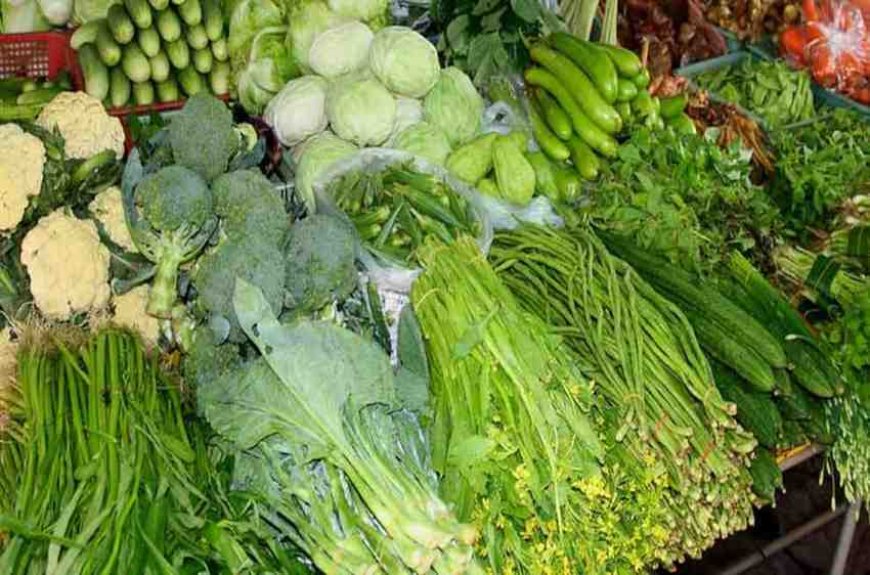
Saudi Arabia Suspends Fruit & Vegetable Imports from India's Kerala and West Bengal Over Nipah Virus Fears
Riyadh/New Delhi — Saudi Arabia has imposed restrictions on the import of agricultural products—including fruits and vegetables—from the Indian states of Kerala and West Bengal, citing concerns tied to the Nipah virus. The move, announced earlier this month through official diplomatic channels, has created increasingly anxious conditions for exporters, farmers and traders who rely on Gulf markets for a significant share of their produce shipments, disrupting established trade flows that have taken years to develop.
Under the new measure, shipments of produce from both states are temporarily suspended until further notice, reflecting a precautionary response by Saudi authorities to the health risk posed by the deadly virus that has caused periodic outbreaks in the region. The restrictions were communicated to Indian exporters via official notices and have already disrupted consignments en route to key Gulf destinations, leaving some shipments stranded at ports or diverted at significant cost.
What Triggered the Move: Concerns Over Nipah Virus Spread
The Nipah virus is a rare but serious pathogen transmitted from animals—particularly fruit bats—to humans, and can cause severe respiratory illness and fatal encephalitis with mortality rates that have reached as high as 70-90% in some outbreaks. While outbreaks in India have historically been limited to specific regions and contained through rapid public health action, they have drawn significant international attention due to the high case-fatality rates observed in past events and the lack of specific vaccines or treatments.
Saudi Arabia's decision to restrict imports reflects a focus on precaution, especially in light of periodic reports of Nipah cases and ongoing surveillance in parts of India that have experienced outbreaks over the past decade. Even when outbreaks are limited in scale or geographically contained, they often trigger heightened biosecurity measures among trading partners to prevent any potential cross-border spread of the virus through agricultural products that might carry contamination.
The Nipah virus has been responsible for several outbreaks in Kerala over the last decade, most notably in 2018, 2021, and 2025, which resulted in loss of life and prompted temporary public health emergency responses involving contact tracing, isolation, and mass awareness campaigns. Though these outbreaks have eventually been brought under control through aggressive public health measures, the risk remains a concern for health authorities and international regulators alike, particularly when considering trade in products that could theoretically carry the virus.
West Bengal has also experienced sporadic cases and remains under surveillance due to its geographical proximity to regions where the virus is known to circulate in animal populations.
Impact on India's Exporters and Farmers
The restrictions have sent a wave of concern through India's agricultural export community, which had come to rely on Gulf markets as stable, high-value destinations for premium produce. Kerala and West Bengal are both major suppliers of fresh produce to markets across the Middle East, including Saudi Arabia, which has traditionally been a key destination for perishable Indian commodities valued for their quality and freshness.
For many growers in these states, Gulf markets have accounted for a substantial part of their export revenue, particularly for mangoes, bananas, pineapple and a range of seasonal vegetables that are harvested and shipped to meet demand during specific windows. The sudden disruption has raised fears of financial losses, as exporters struggle to reroute consignments and mitigate wastage of perishable goods that cannot be stored indefinitely.
Cold storage capacity is limited, and perishable produce that cannot be exported quickly loses value or becomes unsaleable entirely. Exporters report that some shipments already in transit have been turned away, while others are being held at ports awaiting clarity that may not come before spoilage occurs.
Farmers' groups and industry associations have emphasised that the restrictions could undermine profitability and erode confidence in overseas markets that were previously reliable. In states like Kerala, where fruit and vegetable production plays a vital role in rural livelihoods and employs significant numbers of agricultural workers, even short-term interruptions in trade flows can have ripple effects across supply chains and local economies.
The timing is particularly challenging as many farmers had planted crops specifically for the Gulf export season, expecting continued market access based on previous patterns.
Which Products Are Affected
The suspension covers a wide range of agricultural produce including:
Fruits such as mangoes, bananas, pineapples, papayas, and various citrus fruits that are signature exports from the region.
Vegetables including gourds, leafy greens, eggplant, and other produce commonly shipped to Gulf markets.
The broad scope of the ban means that virtually all agricultural exports from these states to Saudi Arabia are affected, creating significant economic disruption.
Diplomatic and Government Responses
Indian agricultural and trade officials are reported to be engaging with Saudi counterparts to clarify the epidemiological situation and provide up-to-date health data showing that there is no active widespread outbreak beyond localized and managed incidents that have been contained by health authorities. These discussions are being pursued with the aim of easing the restrictions and restoring market access for exporters who have seen their livelihoods threatened.
Representatives from Kerala and West Bengal have also sought central government intervention to facilitate dialogue with Saudi authorities, arguing that their states have robust health surveillance systems and proven capacity to manage outbreaks. They contend that clear scientific evidence and rapid response capabilities in India should help address the concerns prompting the ban.
In response, advisory notes issued by Indian agencies have recommended that exporters temporarily halt shipments of affected produce to the Kingdom of Saudi Arabia until the situation stabilises and formal clearance is reinstated by regulatory bodies, preventing further losses from shipments that might be rejected.
The Ministry of External Affairs and the Commerce Ministry are coordinating efforts to provide Saudi authorities with comprehensive data on India's disease surveillance and outbreak response mechanisms.
Broader Trade and Health Implications
The Saudi ban underscores how public health considerations can intersect with international trade policy, especially for agricultural goods that are perishable and may be perceived as carrying disease risk—even when such risk is theoretical or minimal based on available scientific evidence. Countries around the world maintain stringent Sanitary and Phytosanitary (SPS) measures to prevent the spread of infectious diseases via traded goods, and new outbreaks can trigger swift regulatory responses that prioritise health over trade continuity.
The World Trade Organization's SPS Agreement allows member countries to take such measures but requires that they be based on scientific principles and not constitute arbitrary discrimination. India may seek to invoke these provisions in discussions with Saudi Arabia.
Experts in international trade caution that while these measures aim to protect public health, they can have significant economic consequences for exporting regions and may require enhanced cooperation on health data sharing and disease monitoring to prevent unnecessary trade disruptions. Engagement between exporting and importing nations on real-time disease surveillance, industry best practices and transparent communication is often essential to balancing trade interests with safety concerns.
The incident also highlights the vulnerability of agricultural trade to health-related disruptions and the need for diversified markets to reduce dependence on any single destination.
Outlook: Seeking Resolution and Market Access
For now, stakeholders in India's agricultural export sector are watching closely for diplomatic breakthroughs and policy signals that would allow supplies to resume. The situation remains dynamic, with industry leaders hoping for collaborative dialogue between health, trade and diplomatic officials to overcome the current restrictions through evidence-based discussions.
Restoring market access will likely involve presenting convincing scientific evidence that Nipah virus is not transmitted through agricultural products, reinforcing supply chain safeguards, and ensuring that health regulatory mechanisms satisfy Saudi Arabia's risk assessment criteria—steps that could set a precedent for how India and other trading partners manage similar trade-health intersections in the future.
The outcome of these negotiations will be watched closely by other exporting nations that may face similar health-related trade restrictions.
Conclusion
The suspension of fruit and vegetable imports from Kerala and West Bengal represents a significant challenge for Indian exporters and a reminder of how health concerns can disrupt established trade relationships. While the precautionary principle underlying Saudi Arabia's decision is understandable, the economic consequences for farmers and traders are real and urgent.
As diplomatic efforts continue, the affected communities hope for a swift resolution that allows them to return to normal business and rebuild confidence in Gulf markets.
Saudi ban disrupts Indian exports. Nipah fears trigger trade action. Farmers await resolution.