



















Saudi Arabia Invests $3 Billion in Elon Musk's xAI, Deepening AI Partnership Through PIF-Backed Humain
Saudi Arabia's Humain, backed by PIF, invests $3 billion in Elon Musk's xAI ahead of SpaceX acquisition. Deal strengthens Saudi AI strategy and builds on 500MW data center partnership.

Saudi Arabia Invests $3 Billion in Elon Musk's xAI, Deepening Strategic AI Partnership
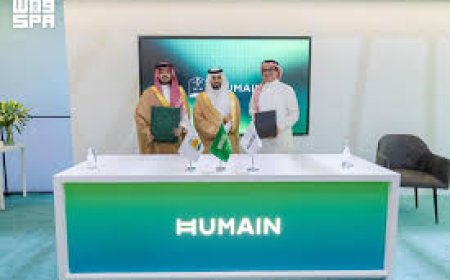
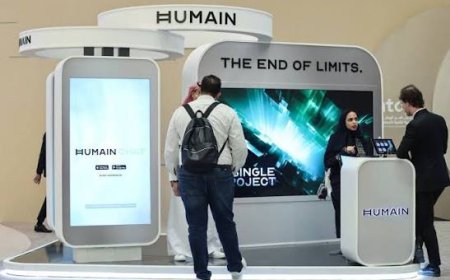
Riyadh, Saudi Arabia — Saudi Arabia has taken a bold step in the rapidly evolving global technology landscape by placing a major investment in Elon Musk's artificial intelligence venture xAI — a move that significantly deepens the kingdom's strategic engagement with frontier AI technologies. On February 18, 2026, Riyadh-based AI firm Humain, backed by the Saudi sovereign wealth vehicle Public Investment Fund (PIF) , disclosed that it had injected $3 billion into xAI as part of the company's latest Series E funding round.
A Strategic AI Investment
The $3 billion investment was made at a pivotal moment for xAI, just ahead of its acquisition by Musk's space technology company SpaceX in early February. Under the financing deal, Humain secured a significant minority stake in xAI that has since been converted into SpaceX shares following the merger.
Humain's participation reflects both a long-term financial commitment and Saudi Arabia's ambition to be a leader in the emerging AI economy. With its roots in the Public Investment Fund, which manages hundreds of billions of dollars in assets, Humain was launched specifically to help build domestic and international AI capabilities—supporting infrastructure, computing, and advanced research initiatives.
In public remarks tied to the announcement, Humain's leadership framed the investment as evidence of the company's belief in "transformational AI" and its strategy of deploying capital behind high-impact, technology-enabled ideas that combine strategic foresight with exceptional engineering execution.
The investment represents one of the largest sovereign-backed commitments to a private AI company to date, signaling Riyadh's determination to secure a foothold in a sector widely expected to reshape global economies in the coming decades.
Broader Context: AI, Infrastructure, and Global Ties
The timing of Humain's investment coincides with broader developments in the AI sector. In January 2026, xAI disclosed that it raised approximately $20 billion in its Series E round to accelerate expansion of AI models, infrastructure, and services, competing on a global stage with peers such as OpenAI and Anthropic.
Shortly after that fundraising announcement, SpaceX formalised the acquisition of xAI—effectively folding the AI startup into Musk's broader technology ecosystem. This consolidation brings xAI's artificial intelligence assets under the same umbrella as SpaceX's space exploration and satellite connectivity efforts, creating an unusually broad technology platform with applications ranging from autonomous systems to advanced communications.
The merger creates synergies that few other companies can match: SpaceX's Starlink satellite network could provide global connectivity for AI services, while xAI's models could enhance autonomous systems for space exploration and satellite operations. For Saudi investors, this integration offers exposure to both cutting-edge AI development and one of the world's most valuable private space enterprises.
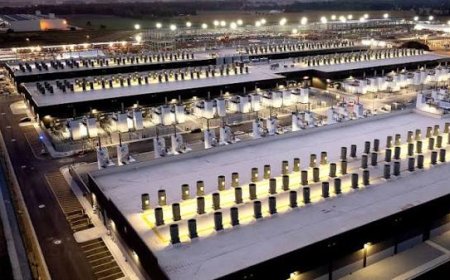
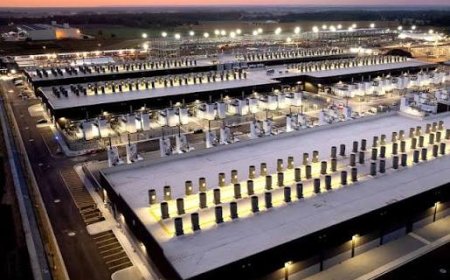
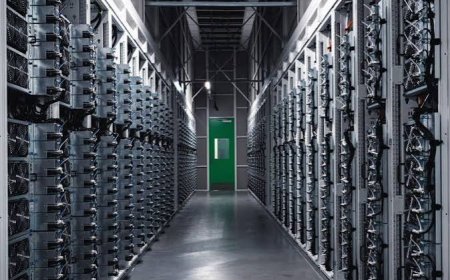
For Humain and Saudi Arabia, the investment builds on an existing collaboration with xAI. In November 2025, the two firms unveiled plans to create a massive 500-megawatt AI data-centre infrastructure project in Saudi Arabia—part of a partnership aimed at establishing significant AI compute capacity within the kingdom and supporting the deployment of xAI's AI models locally.
This data center project, when completed, will provide the computational infrastructure necessary to train and run advanced AI models within the kingdom, reducing reliance on foreign computing resources and positioning Saudi Arabia as a regional AI hub. The combination of infrastructure investment and equity stake creates a comprehensive partnership that goes far beyond passive financial involvement.
Saudi Arabia's AI Strategy
Saudi Arabia's long-term economic strategy emphasises diversification away from oil, with artificial intelligence representing a cornerstone of future growth plans. Through the PIF and affiliated entities like Humain, the kingdom has pursued investments and partnerships with leading global technology companies to build expertise, infrastructure, and domestic capacity.
Key elements of Saudi Arabia's AI strategy include:
Developing local talent through education and training programs
Building world-class computing infrastructure within the kingdom
Attracting global AI companies to establish regional operations
Investing directly in leading AI ventures to gain strategic insights
Applying AI across priority sectors including healthcare, energy, and finance
In addition to the xAI deal, Humain has been active in other technology sectors. It has invested in startups and formed partnerships aimed at expanding data centre footprints, improving computing infrastructure, and accelerating adoption of cutting-edge digital technologies. These include collaborations with major hardware and cloud companies as well as efforts to develop advanced AI models tuned to local and regional languages and applications.
By aligning with xAI—a high-profile AI venture associated with Musk and now part of SpaceX—Saudi Arabia gains not just a financial stake in a major AI company, but also a seat at the table in shaping future AI deployments and standards. As the competitive landscape in AI continues to intensify, strategic investors like Humain are positioning the kingdom to benefit from the technology's transformative impact across industries.
The PIF's Technology Investment Track Record
The Public Investment Fund has established a formidable reputation for strategic technology investments in recent years. Major holdings include significant stakes in Uber, Magic Leap, and various other tech ventures. The fund has also launched domestic initiatives like Neom, a $500 billion high-tech region under development.
The xAI investment continues this pattern of identifying transformative technologies and backing them with patient capital. Unlike venture capital firms seeking quick returns, sovereign wealth funds like PIF can take decade-long views, allowing portfolio companies to pursue ambitious goals without short-term earnings pressure.
Looking Ahead: The SpaceX Connection
The conversion of Humain's xAI stake into SpaceX shares ties the Saudi investor to one of the world's most valuable private tech enterprises, potentially realising significant returns if SpaceX pursues a future public offering. Analysts have speculated that such an IPO—possibly one of the largest in history—could unlock substantial capital gains tied to the company's AI and aerospace ambitions, further validating Riyadh's decision.
SpaceX, already valued at over $150 billion in private markets, represents a rare opportunity for sovereign investors to gain exposure to the commercial space economy. The company's dominance in satellite launch, its Starlink broadband constellation, and now its integration with xAI's artificial intelligence capabilities create a uniquely positioned enterprise.
For Saudi Arabia, the investment offers not just financial returns but strategic insights into technologies that will shape the future of transportation, communication, and computing.
Regional Competition in AI
Saudi Arabia's move also reflects intensifying regional competition in artificial intelligence. The UAE, through its own sovereign funds and initiatives like the Artificial Intelligence Office, has also made significant AI investments and attracted global talent. Qatar and other Gulf states are similarly positioning themselves as AI hubs.
The xAI investment gives Saudi Arabia a distinctive position, linking its AI ambitions directly to one of the most prominent figures in technology and one of the most valuable private companies in the world.
Implications for the Global AI Landscape
The $3 billion investment represents a significant vote of confidence in xAI's technology and leadership at a time when the AI sector faces intense competition and scrutiny. As major players like OpenAI, Google DeepMind, and Anthropic continue to advance their models, xAI's integration with SpaceX could provide unique advantages in computing resources and real-world applications.
For the broader AI industry, sovereign wealth fund participation signals that artificial intelligence has moved beyond a purely commercial phenomenon to become a matter of national strategic interest. Countries with substantial financial resources are positioning themselves to benefit from—and potentially influence—the development of technologies that could reshape global power dynamics.
Conclusion: A Bold Bet on AI's Future
Saudi Arabia's $3 billion investment in xAI represents far more than a financial transaction. It is a strategic bet on the future of artificial intelligence, a deepening partnership with one of technology's most influential figures, and a signal of Riyadh's determination to play a leading role in the AI-driven economy of tomorrow.
The investment builds on existing infrastructure collaboration, creates exposure to SpaceX's broader technology ecosystem, and positions Saudi Arabia at the forefront of nations engaging with frontier AI. Whether measured in financial returns, technological capabilities, or strategic positioning, the deal marks a significant milestone in the kingdom's diversification journey.
As artificial intelligence continues to transform industries and societies, Saudi Arabia has secured a seat at the table where its future is being built.
$3 billion invested. Strategic partnership formed. Saudi Arabia's AI ambitions take another leap forward.