

























Saudi Arabia in Talks to Buy Turkish KAAN Fighter Jets, Potentially Shifting from U.S. F-35
Saudi Arabia negotiates with Türkiye for KAAN fifth-generation fighter jets, with potential deal for 20-100 aircraft including local production. Talks draw U.S. scrutiny amid arms export competition.

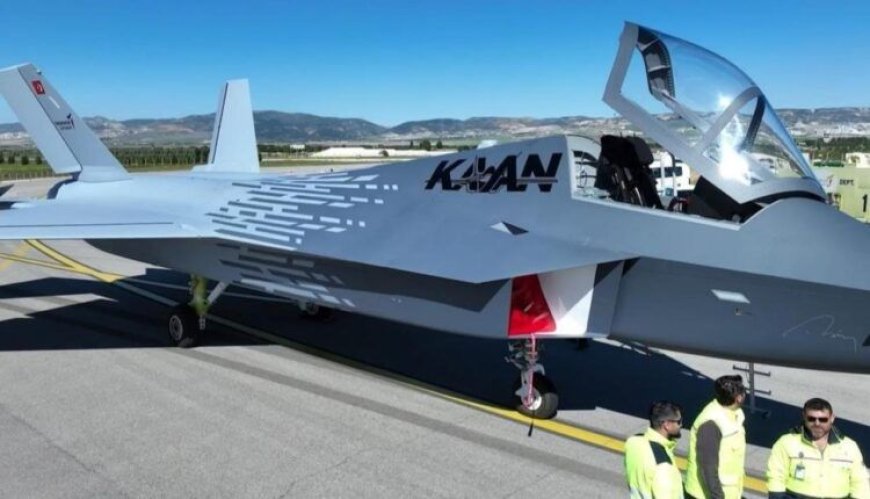
Saudi-Turkey KAAN Fighter Jet Discussions Stir U.S. Friction Amid Arms Export Dominance Debate
Riyadh/Ankara — Diplomatic fault lines are emerging in the global defence and aviation industries as Saudi Arabia's deepening talks with Türkiye over joint development and procurement of the indigenous KAAN fifth-generation fighter jet draw scrutiny from the United States, a nation long invested in maintaining dominance in advanced military aircraft exports.
The discussions—which have gained momentum following high-level meetings between Saudi and Turkish officials—signal a potential shift in traditional defence procurement patterns. Riyadh's interest in KAAN is particularly striking given its longstanding ambition to modernise its air force with advanced aircraft such as the U.S.-manufactured Lockheed Martin F-35, which has long been a symbol of American technological leadership in stealth fighter jets.
Negotiations Reach Final Stages
Turkish Aerospace Industries (TAI) , the developer of KAAN, has confirmed that negotiations with Saudi authorities have entered "the final and highest level," raising the possibility that a formal deal could be struck later this year or even sooner. Discussions range from a direct purchase of the aircraft to far deeper cooperation, including joint production lines and broader defence-industrial collaboration that would align with Saudi Arabia's Vision 2030 goals of localising defence manufacturing.
TAI's General Manager Mehmet Demiroglu has highlighted that Saudi Arabia is considering acquiring anywhere from 20 to 100 KAAN jets, with larger numbers and deeper involvement necessary to justify local production and assembly in the Kingdom. Options under discussion include:
-
Direct imports of completed aircraft
-
Co-development arrangements involving Saudi engineers and technicians
-
Establishment of a final assembly line on Saudi soil
-
Technology transfer for local maintenance and upgrade capabilities
-
Joint production of components and subsystems
The talks come against the backdrop of Saudi Arabia pursuing multiple defence modernization paths, including programs with Western partners while also exploring alternatives like Türkiye's homegrown fighter jet.
What Is the KAAN Fighter?
The KAAN fighter—developed by TAI—is designed to be a fifth-generation, multirole stealth aircraft capable of advanced air-to-air and air-to-ground missions. It aims to offer next-generation performance and sensor fusion comparable to Western platforms while increasing Türkiye's autonomy in defence technology.
KAAN key specifications:
-
Stealth capabilities with low radar cross-section design
-
Advanced avionics and sensor fusion
-
Supercruise capability (sustained supersonic flight without afterburners)
-
Internal weapons bay for reduced radar signature
-
Modern electronic warfare systems
-
Network-centric warfare integration
The jet first flew in prototype form and is projected to enter serial production by the late 2020s, with the initial blocks expected to equip the Turkish Air Force.
Existing export success:
Türkiye has already secured its first export deal for KAAN jets with Indonesia, agreeing to deliver 48 aircraft as part of a roughly $10 billion contract that includes technology transfer and collaborative production elements. This agreement establishes Indonesia as the first buyer of the platform and illustrates Ankara's growing confidence in exporting advanced defence systems.
Why Saudi Arabia Is Interested
Saudi Arabia's pursuit of KAAN reflects multiple strategic considerations:
Vision 2030 localization goals:
The Kingdom aims to localize 50% of defence spending by 2030, developing domestic manufacturing capabilities and reducing reliance on foreign suppliers. A KAAN partnership involving local assembly or production directly supports this objective.
F-35 uncertainties:
Despite longstanding interest in acquiring F-35s, Saudi Arabia's path to purchasing the American jet remains unclear. Political considerations, human rights concerns, and regional strategic calculations have complicated potential sales.
Diversification of defence partnerships:
Riyadh seeks to broaden its defence relationships beyond traditional Western partners, reducing dependency on any single supplier and increasing strategic flexibility.
Regional defence industrial development:
Collaboration with Türkiye—itself a rapidly developing defence industrial power—offers opportunities for technology transfer and capability building that pure purchases from established suppliers may not provide.
Timeline alignment:
KAAN's production timeline aligns with Saudi air force modernization schedules, potentially offering a fifth-generation capability earlier than alternative procurement paths.
U.S. Concerns and Arms Export Politics
Washington has watched the Saudi-Turkish KAAN talks warily. The Trump administration has been intent on maintaining American leadership in arms exports—part of broader strategic influence in the Middle East.
Strategic implications for the U.S.:
Dilution of influence:
A Saudi commitment to KAAN could weaken the strategic value of U.S. aircraft dominance in the region and limit Washington's leverage in shaping Middle Eastern defence alignments.
F-35 program dynamics:
While the potential F-35 sale remains in political limbo, the Saudi-Turkey KAAN talks highlight an alternative procurement path for Riyadh, one that could reduce the urgency of resolving F-35 export approvals.
Economic competition:
Major defence contracts represent billions in export value and domestic employment. Losing a potential Saudi order to Turkish competition would have tangible economic consequences for U.S. defence contractors.
Geopolitical realignment:
Deepening Saudi-Turkish defence cooperation could shift regional dynamics, potentially reducing the centrality of U.S. security guarantees in Gulf states' calculations.
President Donald J. Trump has previously expressed interest in facilitating F-35 sales to Saudi Arabia in exchange for major investments in the U.S. economy. However, no final approvals have materialized, leaving Riyadh to explore alternatives.
Regional and Global Implications
Should Saudi Arabia proceed with a KAAN agreement, the defence industrial landscape of the Middle East could experience meaningful realignment:
For Saudi Arabia:
-
Accelerated defence industry localization through technology transfer
-
Reduced dependency on Western suppliers
-
Enhanced strategic autonomy in defence planning
-
Potential leadership role in regional fighter jet development
-
Job creation in high-tech manufacturing sectors
For Türkiye:
-
Major export validation from a key Gulf partner
-
Production scale improving unit economics
-
Regional influence expansion through defence partnerships
-
Technology development accelerated by partner investment
-
Counterweight to Western arms export dominance
For the region:
-
Potential diversification of defence procurement patterns
-
Encouragement for additional countries to look beyond traditional suppliers
-
Deepened Saudi-Turkish collaboration extending beyond aviation
-
Accelerated development of regional defence industrial base
What Comes Next
As the negotiations evolve, several factors will determine the outcome:
Timeline:
A formal deal could be announced in 2026 if current talks conclude successfully, potentially at a major defence exhibition or during high-level visits.
Scope:
The final agreement could range from a modest initial purchase to a comprehensive industrial partnership with local production lines.
Price and terms:
Financial arrangements, technology transfer scope, and industrial participation levels will all require careful negotiation.
U.S. response:
Washington may renew efforts to facilitate F-35 sales or offer alternative incentives to maintain Saudi Arabia as a traditional defence partner.
Regional reactions:
Other Gulf states may watch closely, potentially influencing their own future procurement decisions.
Conclusion: A Potential Strategic Shift
The Saudi-Turkey KAAN fighter jet discussions represent more than a routine defence procurement negotiation. They signal:
-
Riyadh's determination to localize defence manufacturing under Vision 2030
-
Ankara's emergence as a credible exporter of advanced military technology
-
Potential realignment of regional defence partnerships
-
Challenges to traditional Western dominance in arms exports
-
Strategic diversification by Gulf states beyond historical alliances
Whether Saudi Arabia ultimately embraces the KAAN project as part of its future airpower strategy, or opts instead to reaffirm its longstanding ties with the United States, the very existence of these talks has already altered the strategic calculus.
The message is clear: for major defence buyers in the Middle East, the menu of options is expanding. Traditional suppliers can no longer take loyalty for granted.
Negotiations continue. Options remain open. The future of regional airpower hangs in the balance.