














Saudi Arabia Unveils Powerful $350 Billion Budget for 2026 to Accelerate Vision 2030
Saudi Arabia's 2026 budget allocates $350 billion (SAR 1.313T) to accelerate Vision 2030. See the deficit plan, focus on giga-projects & non-oil economic growth forecast.

Saudi Arabia Approves $350 Billion 2026 Budget to Fuel Vision 2030 Projects
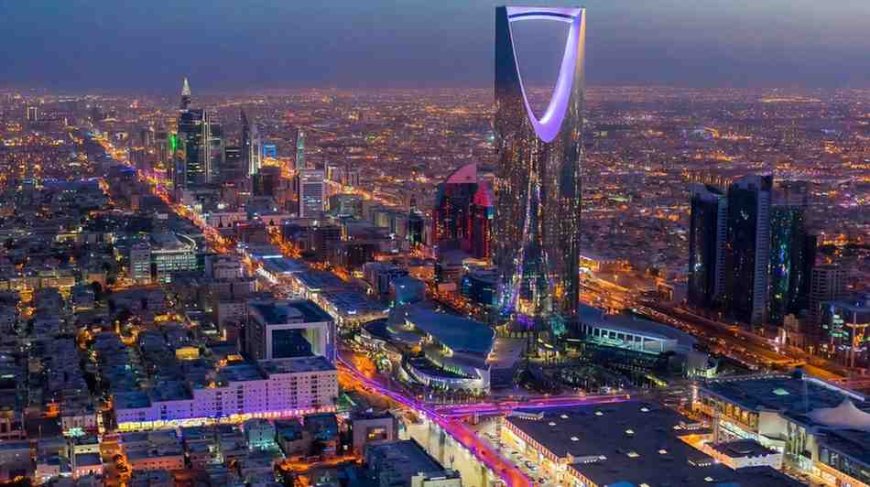
Saudi Arabia has taken a decisive step in its economic transformation, approving a massive 2026 state budget of 1.313 trillion Saudi riyals (approximately $350 billion). This expansive fiscal plan is strategically designed to accelerate the implementation of Vision 2030, prioritizing investment in giga-projects, economic diversification, and public welfare, even as it plans for a significant deficit.
The Budget at a Glance: A Deficit by Design
The budget, approved in a Council of Ministers session chaired by Crown Prince and Prime Minister Mohammed bin Salman, outlines a clear financial strategy for the coming year:
-
Total Expenditures: SAR 1.313 trillion ($350 billion) – the engine for funding the Kingdom's ambitious agenda.
-
Expected Revenues: SAR 1.147 trillion ($306 billion).
-
Projected Deficit: SAR 165.4 billion ($44 billion), representing about 3.3% of GDP.
Key officials, including Finance Minister Mohammed Al-Jadaan, have explicitly framed this as a "deficit by design." The stance is that strategic, high-return investments in the nation's future cannot be paused due to short-term revenue fluctuations, especially with the Kingdom's strong financial reserves and manageable debt levels.
Fueling Vision 2030: Where the Money Will Flow
The 2026 budget is a direct investment in the core pillars of Vision 2030, moving from the planning phase to full-scale execution.
-
Accelerating Giga-Projects & Infrastructure:
A substantial portion will flow into the Kingdom's mega-developments, including NEOM, the Red Sea Project, Qiddiya, and ROSHN. These projects are designed to create new economic sectors in tourism, entertainment, technology, and advanced manufacturing. -
Economic Diversification (Non-Oil Growth):
The budget prioritizes sectors that will reduce dependence on hydrocarbons. Key targets include:-
Tourism & Entertainment: Building world-class destinations and events.
-
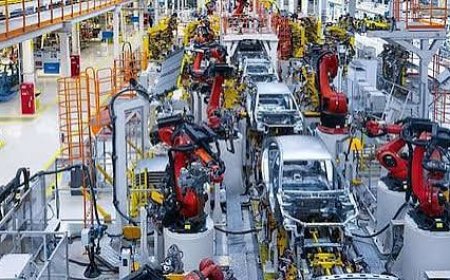
Logistics & Industry: Expanding manufacturing and positioning Saudi Arabia as a global logistics hub.
-
Technology & Innovation: Investing in AI, renewable energy, and a digital economy.
The government forecasts non-oil GDP growth of 5% in 2026, a critical indicator of diversification success.
-
-
Social Development & Quality of Life:
Aligned with Vision 2030's goal of enhancing citizen well-being, funds are earmarked for:-
Healthcare: Expanding and modernizing services.
-
Education & Training: Developing a future-ready workforce.
-
Housing & Urban Development: Improving living standards and community infrastructure.
-
Economic Outlook: Managing the Transition
The budget reflects a carefully managed economic transition. While oil revenue remains crucial, the focus is on stimulating the private sector and domestic demand to drive sustainable growth. The overall real GDP growth is projected at 4.6% for 2026.
This approach demonstrates a long-term view: accepting a moderate deficit today to build a more resilient, diversified, and productive economy for the decades ahead. The Kingdom's substantial sovereign wealth assets provide the necessary buffer to execute this strategy without jeopardizing fiscal stability.
Strategic Implications: A New Phase of Vision 2030
The 2026 budget signals the Kingdom's entry into a new, more intense phase of Vision 2030. The emphasis is shifting from announcement and design to delivery and scale.
-
For Global Investors: The budget reaffirms Saudi Arabia's commitment to being one of the world's largest infrastructure and project markets, offering continued opportunities in construction, technology, and services.
-
For Citizens: It promises tangible improvements in services, job creation in new sectors, and enhanced living standards.
-
For the Global Economy: It underscores Saudi Arabia's pivotal role as a major economic actor actively reshaping its economic identity, with significant implications for global energy, investment, and geopolitical dynamics.
Also Read: Saudi Arabia & Russia Seal Historic Visa-Free Travel Deal Allowing 90-Day Stays
Conclusion: A Bold Bet on the Future
By approving a $350 billion budget with a planned $44 billion deficit, Saudi leadership is making a calculated, bold bet. It is prioritizing long-term transformation over short-term fiscal balance, betting that today's strategic investments will yield a thriving, post-oil economy.
The success of this budget will be measured not by the deficit figure, but by the progress on giga-projects, the growth rate of non-oil GDP, and the tangible improvements in the quality of life for Saudis. The 2026 fiscal year is poised to be a defining period in the Kingdom's historic journey toward Vision 2030.