Saudi Arabia Shifts Oil Exports to Red Sea as Strait of Hormuz Disruptions Intensify
Riyadh, Saudi Arabia — Saudi Arabia has begun redirecting part of its crude oil exports to the Red Sea as disruptions in the Strait of Hormuz intensify amid escalating tensions in the Middle East, marking a significant logistical shift for the world's largest oil exporter. The move is aimed at ensuring that global energy supplies continue to flow despite growing security risks in one of the world's most important oil shipping routes.
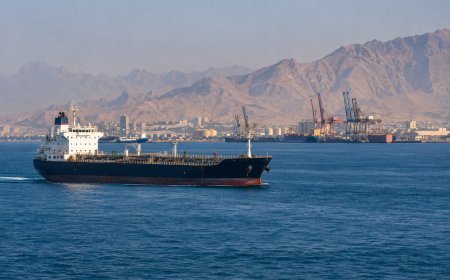
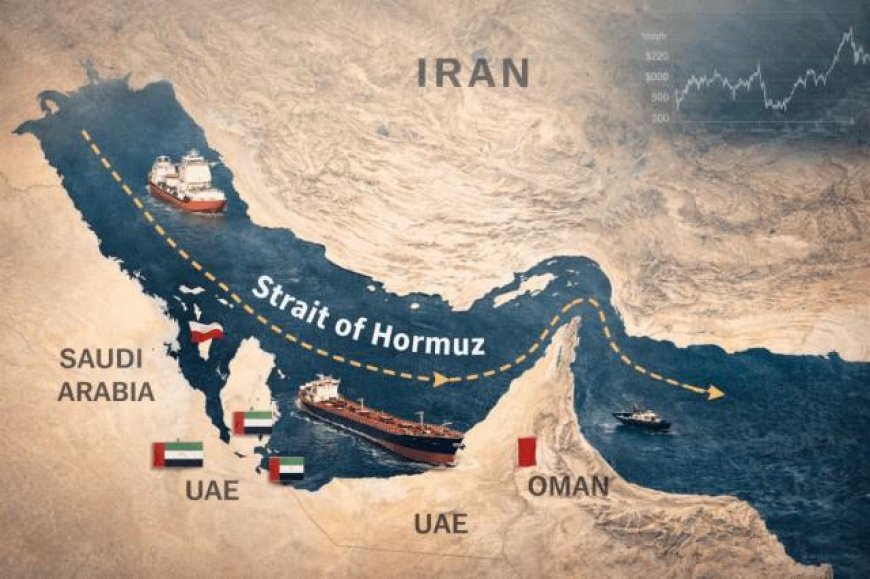
The shift comes as tanker traffic through the Strait of Hormuz has slowed dramatically following attacks, military threats, and rising insurance costs for ships operating in the region, creating a bottleneck. The narrow waterway normally handles nearly one-fifth of the world's oil shipments, making any disruption there a major concern for global energy markets and economies worldwide.
Bypassing the Strait
In response, Saudi Aramco has begun diverting more crude oil exports to the Red Sea port of Yanbu. From there, oil can be shipped to international markets without passing through the Strait of Hormuz, offering a safer alternative. The strategy allows Saudi Arabia to bypass the troubled waterway and maintain supply commitments to global buyers, particularly in Asia where demand remains strong.
Saudi Aramco is making use of its East-West pipeline network, a massive infrastructure system that transports crude oil from the kingdom's eastern oil fields to the Red Sea coast. The pipeline stretches roughly 750 miles across the country and has the capacity to move about 5 million barrels of oil per day, providing significant alternative capacity.
By relying on this route, Saudi Arabia can continue exporting large volumes of crude even if maritime traffic through the Persian Gulf remains restricted or becomes too dangerous for commercial vessels.
Coordinating With Asian Buyers
Industry sources say the company has already begun coordinating with some Asian customers to pick up shipments from the Yanbu port instead of traditional Gulf export terminals, demonstrating rapid adaptation. Tankers are expected to start loading cargo from the Red Sea facility as early as this week as exporters adjust logistics to the rapidly changing security environment.
Why the Strait Is Disrupted
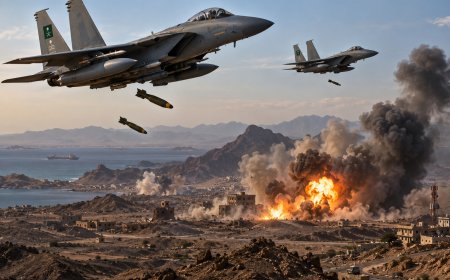
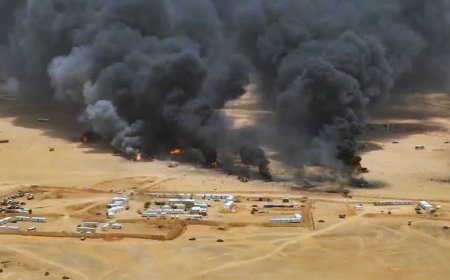
The shift in export routes comes at a time when conflict and military activity in the region have significantly disrupted shipping in the Strait of Hormuz, with no signs of abating. Maritime traffic through the passage has dropped sharply, and several shipping companies have halted operations due to safety concerns and soaring insurance premiums.
The growing risk of drone strikes, missile attacks and naval confrontations has made the waterway increasingly dangerous for commercial vessels, forcing shippers to reconsider routes.
Impact on Oil Markets
These developments have already begun to influence global energy markets, with ripple effects being felt. Oil prices have climbed as traders fear prolonged supply disruptions from the Gulf region, which accounts for a large share of the world's crude exports.
Analysts warn that a prolonged blockage of the Strait of Hormuz could trigger significant volatility in energy prices and disrupt supply chains worldwide, affecting economies far beyond the region.
Saudi Arabia's Advantage
Saudi Arabia is considered better positioned than some of its neighbours because it has alternative export routes like the East-West pipeline, a strategic advantage built over decades. However, even this infrastructure cannot fully replace the massive volumes normally transported through the Strait of Hormuz.
The kingdom shipped more than 5 million barrels of crude per day through the strait last year, while only a smaller portion moved through the Red Sea route, highlighting the challenge of full replacement.
Temporary or Long-Term Shift?
Energy analysts say the current strategy is designed to maintain exports while the geopolitical crisis unfolds, buying time for diplomacy. If tensions persist and shipping through the strait remains restricted, other Gulf producers may also need to explore alternative routes or reduce output temporarily.
Also Read: Hajj 2026: Saudi Arabia Starts Domestic Pilgrim Bookings With 72-Hour Payment Rule on Nusuk
Conclusion
For now, Saudi Arabia's decision to shift crude exports to the Red Sea highlights how energy producers are rapidly adapting to one of the most serious disruptions to global oil transport in recent years. The move underscores the strategic importance of backup infrastructure and alternative shipping corridors in maintaining global energy stability during times of conflict.
Saudi oil flows to Red Sea as Hormuz becomes a war zone. Pipeline capacity tested as global markets watch nervously.