Saudi Arabia Restricts US Military Access to Bases and Airspace Amid Regional Crisis
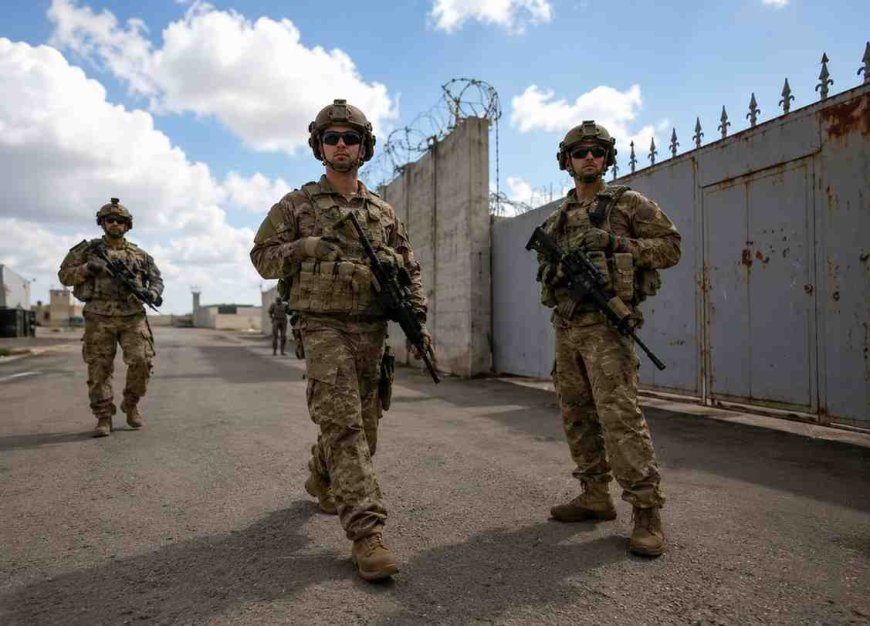
Saudi Arabia has reportedly suspended United States military access to several of its bases and restricted the use of its airspace for American operations, marking a major development amid rising tensions in the Middle East. The move comes during a period of heightened regional instability linked to the ongoing conflict involving Iran, the United States, and Israel.
According to reports, the Saudi government communicated its decision to Washington through diplomatic and military channels, signaling growing concerns over regional escalation and the kingdom’s desire to avoid direct involvement in any wider conflict. The reported restrictions are believed to affect American military aircraft operations, logistical support activities, and certain strategic deployments within Saudi territory.
The development has drawn significant international attention because Saudi Arabia has long been one of the United States’ closest security partners in the Gulf region. American forces have maintained military facilities and strategic cooperation agreements with Riyadh for decades, particularly after the Gulf War and during regional counterterrorism operations.
Reports indicated that Saudi authorities are attempting to maintain a balanced diplomatic position as tensions continue to rise across the Middle East. Riyadh has recently focused on de escalation efforts and regional diplomacy, including improving relations with Iran through China mediated talks and encouraging dialogue among regional powers.
Analysts believe the decision reflects Saudi Arabia’s concern that direct military involvement or visible support for US operations could expose the kingdom to retaliatory attacks, especially from Iran backed groups or regional militant organizations. Several Gulf nations have reportedly become increasingly cautious about allowing their territories to be used in military operations amid fears of regional spillover.
The reported restrictions come at a time when the United States has increased military deployments in the region following months of confrontation with Iran. American forces have expanded naval patrols, air defense systems, and surveillance operations across the Gulf amid concerns over attacks on military facilities, shipping routes, and energy infrastructure.
Saudi Arabia has not officially confirmed full details of the reported restrictions, and US officials have also avoided making detailed public statements regarding the matter. However, diplomatic observers noted that even partial limitations on military access could affect operational planning and logistics for American forces in the region.
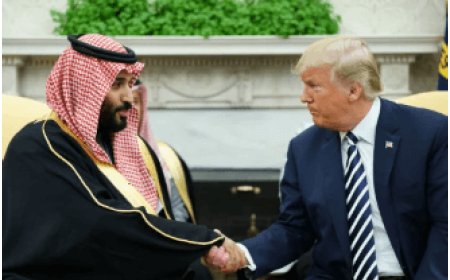
Experts say the move may also reflect broader shifts in Saudi foreign policy under Crown Prince Mohammed bin Salman, who has increasingly pursued a more independent regional strategy while balancing ties with the United States, China, and other global powers. Riyadh has recently prioritized economic stability, investment growth, and regional security cooperation over direct confrontation.
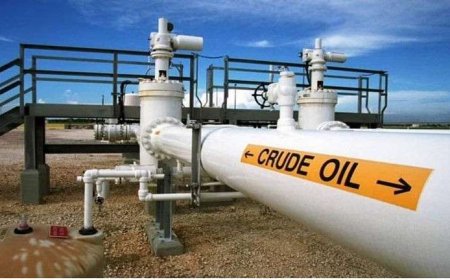
The Gulf region remains highly sensitive due to the strategic importance of oil exports and international shipping routes. Any disruption involving American military operations or Gulf airspace has the potential to impact global energy markets and international trade.
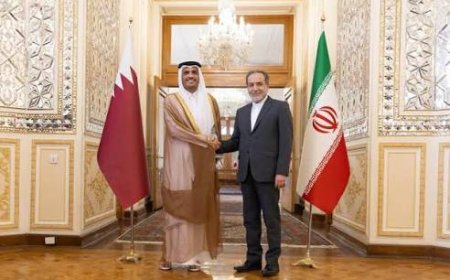
Meanwhile, diplomatic efforts to reduce tensions between Iran and the United States continue through regional intermediaries. Several countries, including Oman, Qatar, and Pakistan, have reportedly been involved in backchannel negotiations aimed at preventing further escalation.
Security analysts warned that the reported Saudi decision could complicate Washington’s military flexibility in the region if tensions continue to rise. At the same time, they noted that long term defense cooperation between Saudi Arabia and the United States remains deeply established despite temporary policy disagreements.
The reported suspension highlights the rapidly changing geopolitical landscape in the Middle East, where regional powers are increasingly seeking to avoid becoming directly entangled in broader military confrontations while attempting to preserve strategic relationships with major global allies.