





















Major Escalation: Report Reveals Covert Saudi Arabia Airstrikes on Iran During Regional Conflict
Saudi Arabia reportedly launched covert retaliatory airstrikes inside Iran during the 2026 regional conflict, marking the kingdom's first known direct military action on Iranian soil. Read the full investigation.

Saudi Arabia Carried Out Secret Retaliatory Airstrikes Inside Iran, Report Reveals
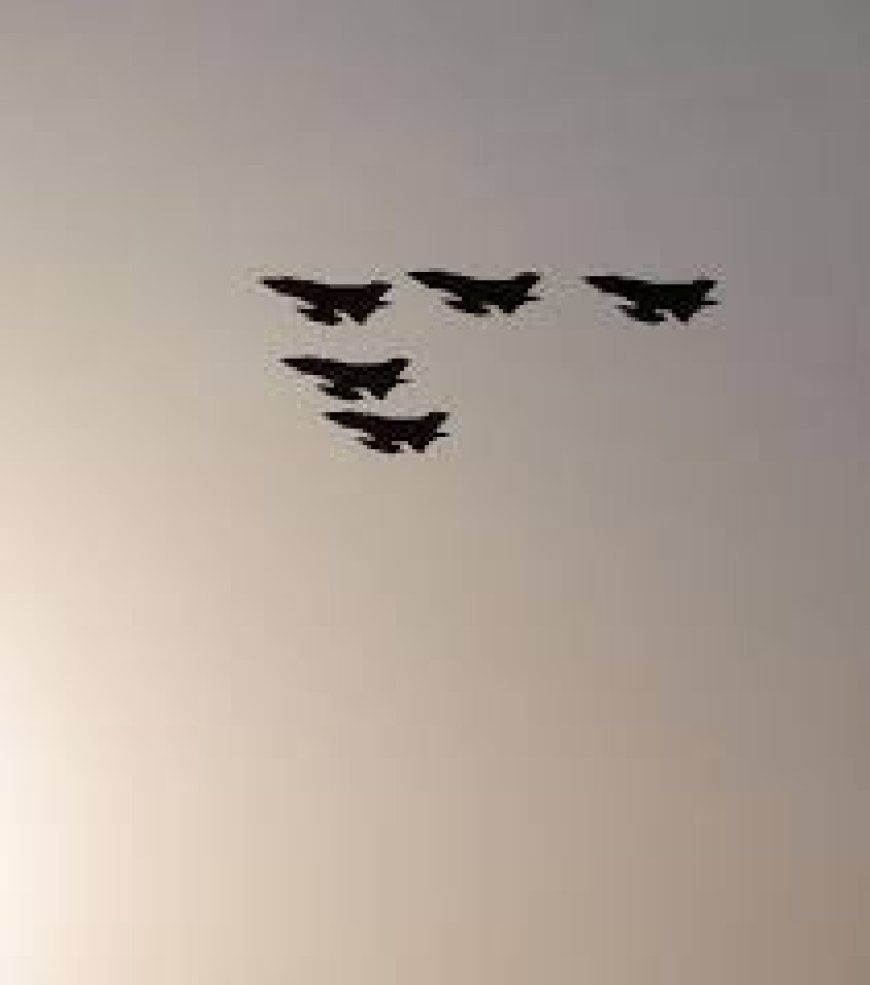
Saudi Arabia reportedly carried out secret retaliatory airstrikes inside Iran during the recent regional conflict in the Middle East, marking what could be the kingdom's first known direct military action on Iranian soil. The revelation emerged through a Reuters report cited by multiple international media outlets, adding a dramatic new dimension to the already tense geopolitical situation in the Gulf region.
According to the report, the covert Saudi strikes were launched in late March 2026 after Iran allegedly carried out missile and drone attacks targeting Saudi territory, including oil facilities, military bases and locations linked to the United States. The operations were reportedly conducted quietly without any public announcement from Riyadh at the time.
Western and Iranian officials quoted in the Reuters investigation claimed the Saudi Air Force executed the retaliatory missions deep inside Iranian territory as tensions escalated during the ongoing regional war involving Iran, Israel and the United States. The strikes were reportedly aimed at sending a strong message to Tehran while avoiding a full scale direct confrontation between the two countries.
The report suggests Saudi Arabia informed Iran through diplomatic backchannels before the attacks took place. Analysts believe this unusual move may have been intended to prevent uncontrolled escalation and maintain some level of communication between the two longtime regional rivals. The backchannel diplomacy reportedly played an important role in reducing tensions afterward and preventing the conflict from spiralling further.
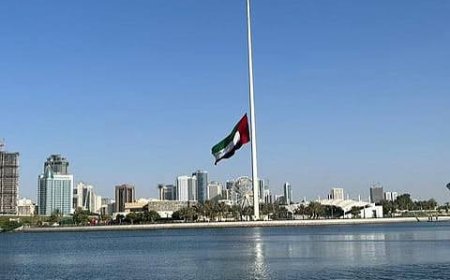
The revelation comes amid broader instability across the Middle East following the outbreak of the 2026 Iran war earlier this year. The conflict intensified after joint US Israeli strikes on Iranian targets in February, triggering retaliatory missile and drone attacks by Tehran against American allies and Gulf nations. Several Gulf Cooperation Council countries, including Saudi Arabia and the United Arab Emirates, reportedly faced repeated Iranian attacks on oil facilities and military infrastructure.
Saudi Arabia had previously maintained a relatively cautious approach toward direct confrontation with Iran despite years of rivalry and proxy conflicts across the region. However, the recent attacks on Saudi territory appear to have pushed Riyadh toward a more aggressive military posture. Experts say the covert operation indicates a significant shift in Saudi defence strategy, showing that the kingdom is now more willing to launch direct retaliatory actions if its security interests are threatened.
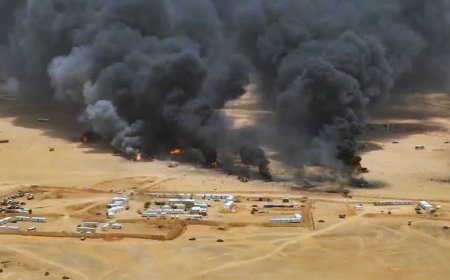
Reports indicate Iranian missile and drone attacks had targeted sensitive Saudi infrastructure in recent months, including oil refineries, airports and military installations. One of the major incidents involved attacks near the Ras Tanura oil refinery, a key component of Saudi Arabia's energy network. The repeated strikes raised fears of disruptions in global oil supplies and further instability in energy markets worldwide.
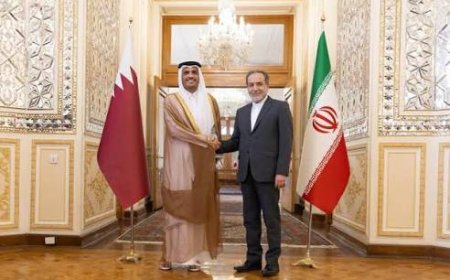
The broader regional conflict has increasingly drawn Gulf states into the crisis. Reports also suggested that the United Arab Emirates conducted covert strikes against Iran during the war, highlighting growing concerns among Gulf nations over Tehran's military actions and regional influence. At the same time, countries such as Saudi Arabia and Qatar have continued diplomatic efforts aimed at de escalation and avoiding a prolonged regional war.
The disclosures surrounding the Saudi strikes are expected to have major geopolitical implications. Analysts warn that direct military engagement between Saudi Arabia and Iran could destabilise the Gulf further and impact global energy markets, trade routes and regional security alliances. The developments are also likely to influence ongoing diplomatic discussions among major global powers attempting to prevent wider escalation in the Middle East.
Neither Saudi Arabia nor Iran has officially confirmed the details of the covert attacks so far. However, the revelations have intensified international attention on the evolving conflict and raised new questions about the extent of secret military operations taking place behind the scenes during the ongoing regional crisis.