



















Oil Prices Surge Past $103 Amid Gulf Tensions
Crude oil climbed to its highest level since May as escalating Middle East tensions and falling Saudi output stoke fears of prolonged global supply disruptions.


Crude Climbs to Multi-Month High as Regional Risk Premium Builds
Global oil markets have entered a tense new phase this week, with benchmark crude prices pushing past $103 a barrel for the first time since mid-May. The rally reflects mounting investor anxiety over the security of Gulf energy supplies, as conflict in Yemen and wider regional friction involving Iran continue to unsettle traders.
Prices have now risen more than 23 percent over the past month alone, and are up well over 60 percent compared with the same period last year — a striking climb for a market that had spent much of the past two years trading in a far calmer range. The shift illustrates just how sensitive global energy pricing remains to developments in and around the Arabian Peninsula, even as the world has diversified its supply sources in recent years.
What Is Driving the Rally
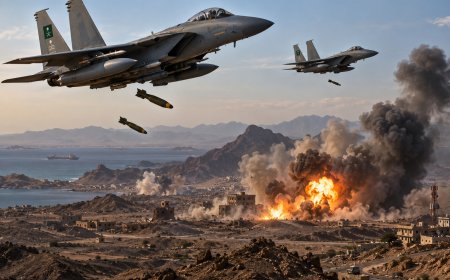
Traders point to a combination of factors behind the surge. Chief among them is the deepening confrontation between the United States and Iran, which has spilled into direct military exchanges affecting shipping and energy infrastructure across the Gulf. Reports that discussions in Washington have touched on the possibility of the standoff dragging on for an extended period have added to the sense that the disruption will not resolve quickly.
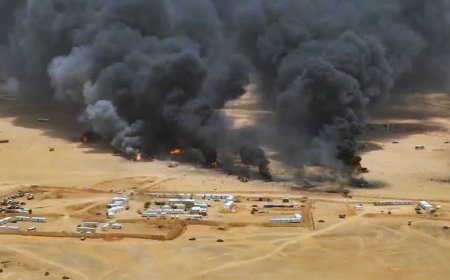
Compounding those fears, Yemen's Houthi movement — widely seen as aligned with Iran — has targeted energy facilities inside Saudi Arabia in recent days, feeding concern that the conflict is broadening beyond its traditional boundaries. Any sustained threat to Saudi energy infrastructure carries outsized significance for global markets, given the Kingdom's position as one of the world's largest crude exporters.
Saudi Output Takes a Hit
Adding to the market's unease, Saudi Arabia's own crude production fell sharply in August, dropping by close to 1.9 million barrels a day compared with prior levels. While Riyadh has not detailed the full reasons behind the decline, the drop coincides with a period of heightened security activity in the Kingdom's eastern and southern regions, and analysts say it is difficult to fully separate the production dip from the wider security backdrop.
A pullback of that scale from one of the world's most important suppliers would ordinarily be expected to move prices meaningfully on its own. Combined with fears of further supply shocks, it has become one of the clearer signals that markets are pricing in real, not just speculative, risk to Gulf output.
Ripple Effects Across the Global Economy
Higher oil prices tend to move quickly through the global economy, pushing up transportation, manufacturing and shipping costs and adding fresh pressure to inflation figures that many economies had only recently brought under control. Import-dependent nations across Asia and Europe are likely to feel the effects most acutely, particularly if prices continue climbing toward, or beyond, the symbolic $100-plus range that markets have not sustained in years.
For oil-exporting economies such as Saudi Arabia, however, the picture is more complicated. Higher prices can offset some of the revenue lost to reduced output, but sustained instability also carries reputational and investment risks that could complicate the Kingdom's broader economic diversification agenda under Vision 2030.
What Comes Next
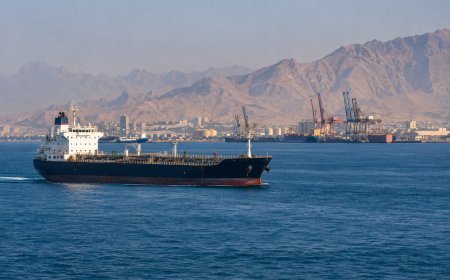
Energy analysts caution that the direction of prices from here will depend heavily on how the security situation in Yemen and the wider Gulf develops over the coming weeks. A further escalation particularly any incident affecting shipping through the Bab el-Mandeb strait or the Strait of Hormuz could send prices sharply higher still. Conversely, any sign of de-escalation or diplomatic progress could quickly take some of the current risk premium out of the market.
For now, traders appear to be treating the current level as a floor rather than a peak, with many describing the market as being in a "wait and watch" posture as they monitor daily developments out of Riyadh, Sanaa and Washington. Whatever happens next, the past month has served as a reminder of how tightly linked global energy prices remain to stability in the Gulf.