
























Saudi Arabia, Bahrain Condemn Iran Attacks on Jordan
Saudi Arabia and Bahrain issued strong condemnations of continued Iranian attacks on Jordan, calling for an immediate halt and renewed regional dialogue.

Riyadh and Manama Speak With One Voice
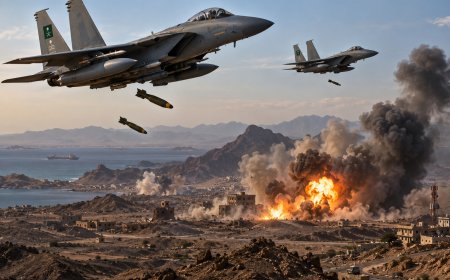
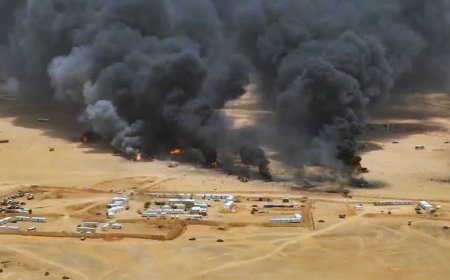
Saudi Arabia has issued a firm condemnation of continued Iranian attacks on Jordan, with the kingdom's foreign ministry describing the strikes as a clear violation of international law and the long-standing principles of good-neighbourliness that have traditionally governed relations between states in the region. Bahrain quickly echoed the statement, underscoring a broader pattern of coordinated Gulf diplomacy in response to Iran's expanding campaign of strikes against countries it accuses of aligning against it in the wider regional war.
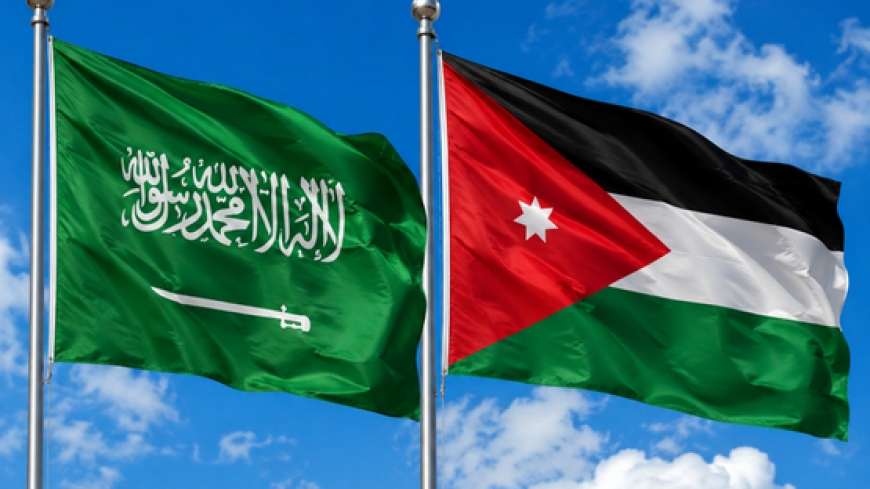
In its statement, the Saudi Foreign Ministry reaffirmed the kingdom's solidarity with Jordan and its people, expressing support for whatever measures Amman deems necessary to respond to the attacks and protect its sovereignty. Riyadh renewed its call for an immediate halt to Iranian strikes not only against Jordan but against other countries across the region, urging a serious and sustained push toward de-escalation and dialogue.
Bahrain's own statement struck a similar tone, affirming continued support and solidarity with Jordan as it works to safeguard its sovereignty, security and the safety of its citizens and residents. The near-simultaneous statements from Riyadh and Manama reflect an increasingly coordinated diplomatic posture among Gulf Cooperation Council members as the conflict originally centred on Iran, the United States and Israel has drawn in a widening circle of regional states.
A Widening Circle of Regional Fallout
Jordan's exposure to direct Iranian strikes marks a significant escalation in a conflict that began earlier this year and has since drawn in an increasing number of countries either directly or through their territory and airspace being used as staging grounds or flight paths for missile and drone strikes. Kuwait, Bahrain, Qatar and Oman have all reported being targeted by Iranian missiles or drones at various points since the conflict widened, alongside direct Iranian action against United States military assets stationed in the region.
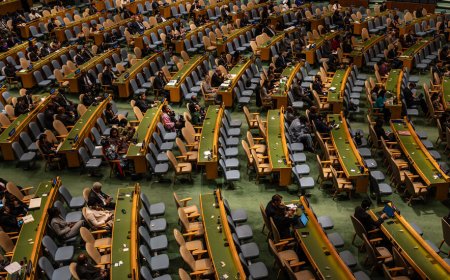
Regional bodies have moved to formally register their objections. The Arab League has previously condemned Iranian aggression against Kuwait, Bahrain and Jordan in similarly forceful terms, while the United Nations Security Council has passed a resolution calling for the immediate cessation of Iranian attacks against countries throughout the region a resolution Gulf states have repeatedly invoked in their own condemnations as evidence that Tehran's actions carry the weight of international disapproval.
Saudi officials have been especially active on the diplomatic front in recent months, with Foreign Minister Prince Faisal bin Farhan holding a steady stream of calls with counterparts across the Gulf Cooperation Council and beyond to coordinate messaging and explore paths toward de-escalation. Those conversations have consistently returned to a shared set of themes: condemnation of attacks on sovereign territory, support for affected states' right to self-defence, and calls for a return to dialogue as the only sustainable path out of the crisis.
Balancing Condemnation With Restraint
Despite the firmness of its language, Saudi Arabia has continued to stop short of direct military involvement in the broader Iran conflict, instead positioning itself as a vocal advocate for de-escalation even as it simultaneously manages its own separate and increasingly volatile confrontation with Yemen's Houthi movement along its southern border. That dual-track approach — robust diplomatic condemnation paired with calculated restraint from direct escalation — has defined much of Riyadh's posture throughout the seven-month-old regional conflict.
Analysts note that this balancing act reflects the kingdom's broader strategic priorities. Saudi Arabia has invested heavily in economic diversification and long-term development plans under its national transformation agenda, giving it a strong incentive to avoid actions that could further destabilise the region or jeopardise the substantial foreign investment it has worked to attract in recent years.
Calls for Renewed Diplomacy
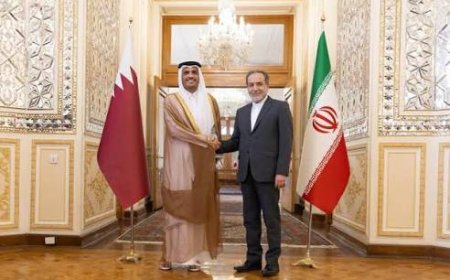
Gulf officials, including those from Qatar, have continued to stress the importance of both Iran and the United States committing to diplomatic channels and honouring any existing frameworks aimed at ending hostilities. Whether such calls will translate into a meaningful de-escalation remains uncertain, particularly as the conflict has shown a pattern of repeated flare-ups even during periods of apparent calm.
For Jordan, the latest round of attacks adds to an already difficult year navigating the fallout of a conflict it did not initiate but has increasingly found itself caught within. Saudi Arabia's continued public backing offers Amman diplomatic cover on the international stage, even as the practical security challenges posed by continued Iranian strikes remain squarely Jordan's own to manage. As the situation continues to evolve, regional capitals will be watching closely for any signs however incremental that the diplomatic pressure now being applied by Gulf states might finally begin to shift the trajectory of the wider conflict.