


























Houthis Seize Red Sea Island Amid Yemen Escalation
Houthi forces have taken control of a key Red Sea island near the Bab el-Mandeb strait, deepening a conflict that is stoking fresh security concerns for Saudi Arabia.


Houthi Advance Reshapes the Red Sea's Most Sensitive Waterway
A new flashpoint has emerged in the long-running Yemen conflict, after Houthi fighters moved to take full control of a small but strategically decisive island sitting at the mouth of one of the world's busiest shipping corridors. The development marks one of the most significant shifts on the ground in months and has pushed Saudi Arabia's southern security concerns back to the center of regional attention.
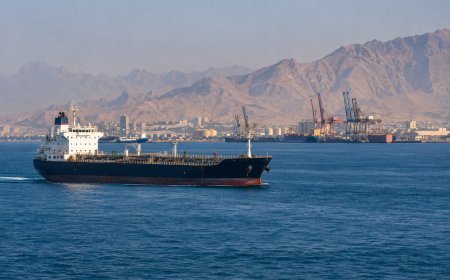
According to local officials and witnesses, armed Houthi units crossed by boat to reach the island after government-aligned forces withdrew from the position a day earlier. Fighters were reported to be spreading out along the shoreline and patrolling in military vehicles shortly after landing. The island divides the Bab el-Mandeb strait into two navigable channels, meaning that a hostile force stationed there effectively gains oversight of a large share of maritime traffic passing between the Red Sea and the Gulf of Aden.
Why the Island Matters So Much
The Bab el-Mandeb strait is one of the most consequential chokepoints in global trade, funneling a substantial share of the world's seaborne oil and container traffic between Asia, the Gulf and Europe. Control of the surrounding waters has long been viewed by analysts as giving whichever side holds it significant leverage — both militarily and economically. The latest Houthi gains follow a broader offensive the group launched against Riyadh-backed Yemeni government forces, capping a rapid advance that saw them seize the nearby port city days earlier.
For Saudi Arabia, the timing is especially sensitive. The Kingdom has spent years supporting Yemen's internationally recognized government in an effort to prevent the Iran-aligned group from consolidating control over the country's western coastline. A Houthi foothold over the strait raises the prospect of further disruption to shipping lanes that Gulf economies, including Saudi Arabia's own energy exports, depend on heavily.
Saudi Response and Military Activity
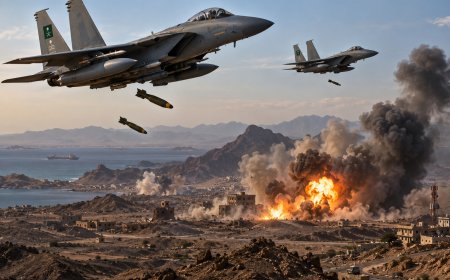
In response to the advance, Saudi forces carried out strikes targeting infrastructure at the airport in the now Houthi-controlled port city, according to the group's own media outlets. The strikes appear aimed at degrading the group's ability to use the captured territory as a forward operating base. Riyadh has not issued a lengthy public statement on the latest exchange, but the Kingdom has consistently framed its military activity in Yemen as defensive, aimed at protecting its territory and civilians from cross-border attacks.
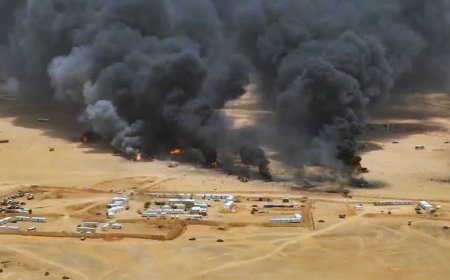
Earlier in the week, Saudi authorities said dozens of people, including women and children, were injured in a wave of attacks on southern Saudi communities, attacks Riyadh has blamed squarely on the Houthi movement. Officials in the Kingdom have condemned what they describe as deliberate targeting of civilian and economic infrastructure, and allied Gulf states have echoed that criticism in recent days.
International Reaction
The United Nations' special envoy for Yemen has warned that the widening confrontation risks pulling the country deeper into a broader, unresolved regional struggle with consequences that could extend well beyond Yemen's borders. That warning reflects growing unease among diplomats that a conflict long treated as a distinct, contained civil war is increasingly intertwined with the wider standoff between Iran and its regional rivals.
Washington has also weighed in, with a senior American envoy affirming that the United States stands firmly behind Saudi Arabia's right to defend itself and behind Yemen's internationally recognized government in its fight against the Houthi movement, which US officials continue to label a terrorist organization. That statement underscores how the Yemen file has become entangled with the broader US posture toward Iran and its regional partners.
A Fragile Regional Balance
Analysts following the conflict say the Houthis' latest gains could complicate diplomatic efforts to de-escalate hostilities in the wider region, particularly given ongoing tension between Iran and the United States elsewhere in the Gulf. Any disruption to shipping through the strait would also carry economic consequences well beyond Yemen and Saudi Arabia, given how central the route is to global energy and cargo flows.
For now, the situation on the ground remains fluid. Yemeni government forces have not indicated whether they intend to attempt to retake the island, and Saudi-led coalition activity in the area is expected to continue in the coming days. Regional officials say they are watching closely for signs of further escalation, particularly any moves that could threaten commercial vessels transiting the strait.
The coming weeks are likely to prove pivotal in determining whether the latest advance becomes a lasting shift in the balance of power along Yemen's coastline or whether renewed diplomatic and military pressure can push the front lines back. Either way, Saudi Arabia's southern border security has once again moved to the top of the Kingdom's list of strategic concerns.