





















Qatar PM Visits Tehran Amid US-Iran Tensions
Qatar's prime minister met Iran's foreign minister in Tehran on mediation efforts as US sanctions pressure mounts and Strait of Hormuz tensions persist.

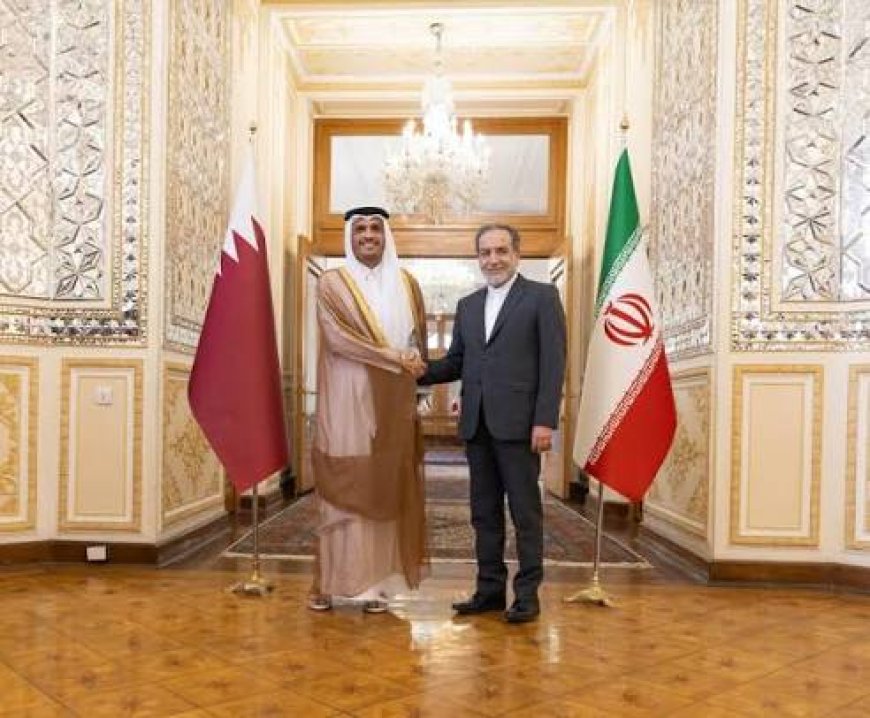
Qatar's prime minister traveled to Tehran on Thursday in the latest attempt to pull Washington and Tehran back from the brink, as the two sides traded sharp accusations over what one senior Iranian official described as an "all-out economic war." The visit places Doha once again at the center of a diplomatic effort that regional powers, including Saudi Arabia, are watching closely given the stakes for Gulf security and global oil markets.
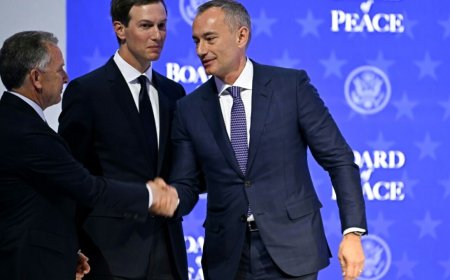
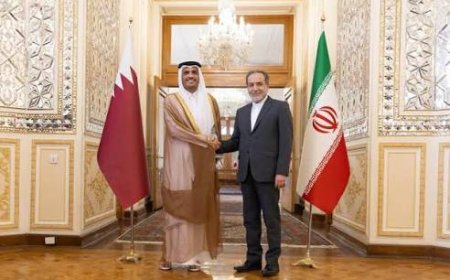
Sheikh Mohammed bin Abdulrahman Al Thani, who serves as both Qatar's prime minister and foreign minister, met with Iranian Foreign Minister Abbas Araghchi in the Iranian capital, according to a channel linked to Iran's foreign ministry. The meeting comes as the broader conflict between the United States and Iran approaches its sixth month, with active fighting largely paused but no lasting diplomatic settlement in sight.
A Familiar Role for Doha
Qatar's involvement is nothing new. As a Gulf neighbor of Iran that simultaneously maintains close security ties with Washington, Doha has carved out a unique niche as the region's most trusted back-channel negotiator. It played a direct role in brokering a ceasefire in June that briefly halted hostilities before the truce began to unravel amid disagreements over control of the Strait of Hormuz, the narrow waterway through which roughly a fifth of the world's oil supply once passed before the conflict began.
According to Qatar's foreign ministry, Thursday's talks focused on a proposed phased framework intended to ease tensions around the strait. The plan reportedly includes establishing a temporary joint Iranian-Omani shipping corridor through the waterway, alongside a coordinated effort to clear mines that have accumulated in the area since fighting broke out on February 28. The two officials also reviewed broader efforts to de-escalate regional tensions and lay the groundwork for renewed dialogue.
Washington Ramps Up Economic Pressure
Even as diplomatic channels remain open, the confrontation is shifting from the battlefield to the balance sheet. The White House has signaled it has no intention of returning to the negotiating table for now, insisting that all options remain on the table while pursuing plans to tighten sanctions and cut Iran off from key trading partners.
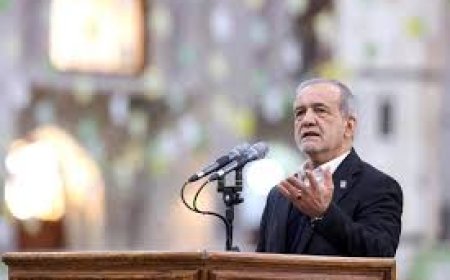
That escalation has triggered a defiant response inside Iran. Parliament Speaker Mohammad Baqer Qalibaf called on Thursday for national unity in the face of what he termed an all-out economic war, warning that internal division was precisely what adversaries were hoping to provoke. Separately, Ebrahim Azizi, who chairs the Iranian parliament's national security committee, dismissed the sanctions as an inhumane and hostile act, though he argued their practical effectiveness had diminished after decades of similar measures dating back to 1979.
Oil Flows Choked, Uncertainty Persists
The economic stakes of the standoff extend well beyond Iran's borders. Ship-tracking data shows that oil flows through the Strait of Hormuz have fallen to a three-month low, with just five million barrels per day transiting the waterway earlier this week, compared with roughly 20 million barrels per day before the conflict erupted. That collapse in throughput has rattled global energy markets and added a new layer of uncertainty for oil-dependent economies across the Gulf.
Adding to the confusion, conflicting signals have emerged over the status of talks between Iran and Oman regarding shared control of the strait. Iran's Revolutionary Guards claimed this week that Tehran and Muscat had reached an understanding on how to divide the waterway and its revenues, but a senior Iranian source later told international media that the details of any such agreement were still being worked out. A spokesperson for the Revolutionary Guards insisted the two sides had reached results acceptable to both parties, while cautioning that the strait would remain effectively closed unless Washington met a set of conditions tied to the collapsed June ceasefire — including lifting a blockade on Iranian ports and providing compensation.
A Fragile, High-Stakes Balancing Act
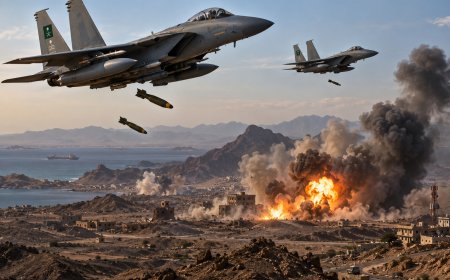
The human and economic toll of the conflict continues to mount. The International Maritime Organization has documented 70 separate incidents in the Strait of Hormuz since fighting began, resulting in the deaths of 19 seafarers. Broader estimates suggest thousands of casualties across the region, concentrated primarily in Iran and Lebanon, since the United States and Israel launched their campaign with the stated aims of preventing Iran from acquiring nuclear weapons, supporting internal opposition to the Iranian government, and dismantling Tehran's missile program.
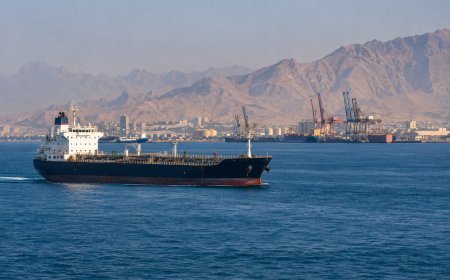
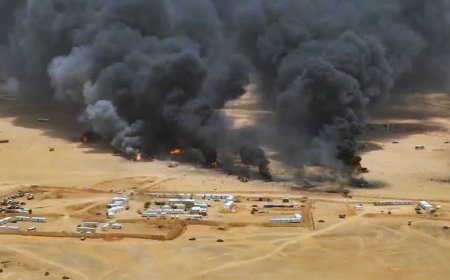
Even amid the paused fighting, the danger has not fully receded. An unidentified projectile struck a tanker in the strait earlier this week, sparking a fire that was later extinguished without casualties, according to maritime security officials monitoring the waterway.
For Gulf states like Saudi Arabia and Qatar, the coming weeks are likely to prove pivotal. Whether Doha's renewed shuttle diplomacy can produce a durable framework — or simply another temporary pause in hostilities — will shape not only regional security but the trajectory of global oil prices heading into the final quarter of the year.