

















Saudi AI Push Grows With HUMAIN PC, NEOM Data Hub
Saudi Arabia's AI infrastructure drive gathers pace as HUMAIN advances its AI PC launch and construction begins on a major NEOM data centre at Oxagon.

Riyadh's AI Ambitions Move From Announcements to Construction
Saudi Arabia's effort to position itself as a serious player in global artificial intelligence is entering a more concrete phase, with tangible construction milestones now following months of headline-grabbing partnership announcements. At the centre of the latest developments is HUMAIN, the AI-focused company backed by the kingdom's Public Investment Fund, which is pushing forward on two fronts: a new enterprise-focused AI personal computer and a large data centre project at NEOM's industrial hub, Oxagon.
The AI PC, developed in partnership with major global technology firms, runs on Microsoft Windows alongside HUMAIN's own AI capabilities, designed to process AI workloads both locally on the device and through connected cloud services. The device is scheduled to become available to enterprise customers later this month, with HUMAIN setting an ambitious target of selling one million units across the Middle East and Africa region by the end of the decade.
Ground Breaks on a Major NEOM Data Campus
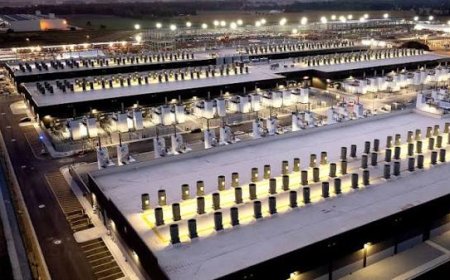
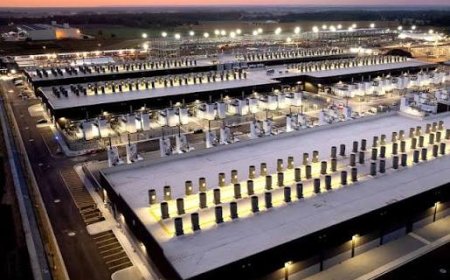
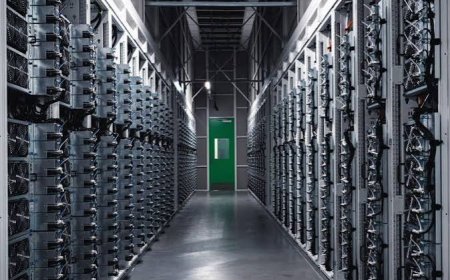
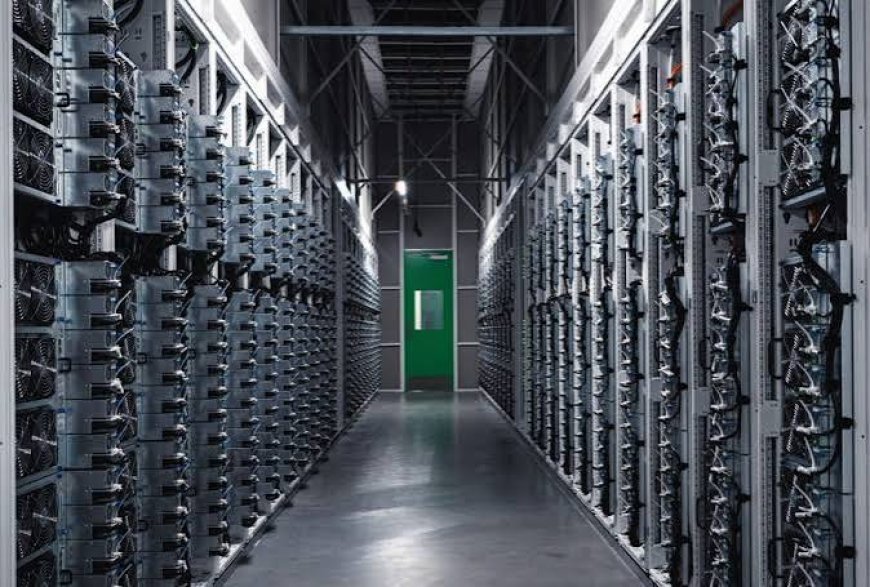
Alongside the device launch, HUMAIN and infrastructure firm DataVolt have started construction on the first phase of a large data centre campus at Oxagon, NEOM's planned industrial city on the Red Sea coast. The initial phase involves 100 megawatts of capacity, part of a wider campus originally agreed between DataVolt and NEOM the previous year that is designed to scale toward 1.5 gigawatts over time, an ambition that, if realised in full, would rank among the largest data centre developments anywhere in the world.
The project sits within a broader web of infrastructure commitments unveiled around this year's edition of LEAP, Saudi Arabia's flagship technology conference held in Riyadh, which brought together thousands of global investors and technology companies under the banner "Into New Worlds." Organisers said the event generated more than fifteen billion dollars in new investments, partnerships and computing infrastructure agreements, spanning AI, cloud computing, sovereign compute capacity and physical robotics.
A Widening Circle of Global Partners
Saudi officials have used LEAP and related initiatives to deepen ties with some of the biggest names in global technology. Earlier in the year, HUMAIN also went live with its first AMD-powered computing systems in partnership with networking firm Cisco, part of a plan to add substantial additional AI infrastructure capacity in the coming years while working toward a longer-term buildout target measured in gigawatts. Separately, cloud computing giant Amazon Web Services has said its first dedicated Saudi cloud region remains on track to open before the end of the year, with an expanded partnership with HUMAIN expected to bring dozens of additional megawatts of capacity online within the kingdom's first designated AI zone.
These moves build on earlier, larger-scale agreements between Saudi Arabia and chipmaker Nvidia, under which the two sides committed to jointly develop AI infrastructure with a projected capacity of up to 500 megawatts over five years, powered by hundreds of thousands of advanced graphics processing units, alongside a separate sovereign AI computing project involving the Saudi Data and Artificial Intelligence Authority.
Why It Matters for Vision 2030
The flurry of activity reflects a deliberate strategic bet at the heart of Saudi Arabia's Vision 2030 economic diversification programme: that computing power, rather than oil, can become one of the kingdom's most valuable long-term exports. Officials have repeatedly framed AI infrastructure investment as central to reducing the country's historical dependence on hydrocarbon revenue, while also building the domestic capability needed to support ambitions in smart cities, robotics and advanced manufacturing.
Independent industry estimates suggest Saudi Arabia's data centre market could nearly triple in size by the end of the decade, driven by a combination of sovereign investment, foreign partnerships and rising domestic demand for AI-powered services across government and business. A dozen colocation facilities already operate across the kingdom, with several large-scale expansions, including projects backed by international investors, currently under development.
For a country still in the early stages of its AI transformation, the shift from partnership announcements to physical construction, whether in the form of a shipped device or a data centre foundation being poured in the desert, marks a meaningful signal that Saudi Arabia's technology ambitions are beginning to take tangible shape on the ground.