



























Saudi NDF Invests $112M in Gaming, Esports Sector
Saudi Arabia's National Development Fund has approved over $112 million for its gaming and esports program, supporting 82 entities and 127 games since launch.

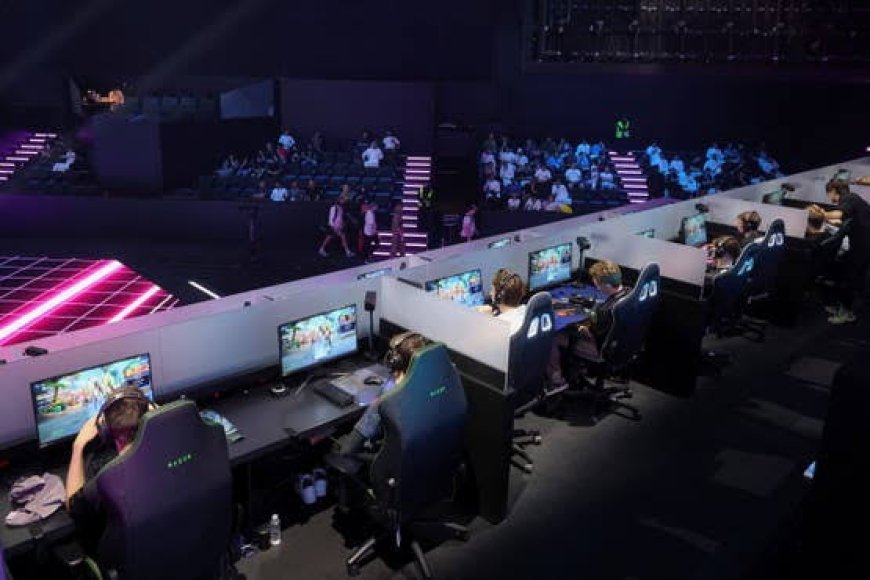
Saudi Arabia's push to become a global gaming powerhouse has received another significant financial boost, with the Kingdom's National Development Fund confirming it has approved more than $112 million in financing to support local esports and gaming companies.
According to newly released figures, the National Development Fund approved over SR421 million, equivalent to more than $112 million, in funding through its Esports and Gaming Financing Program by the end of the fourth quarter of 2025, benefiting 82 entities across various sectors. The scale of support extends well beyond capital alone — the financing has helped support the development of more than 127 games, contributing to the growth of the esports and gaming industry while improving the readiness and competitiveness of national companies.
A Deliberate Strategy, Not a One-Off
The latest disclosure is part of a broader effort by the fund to track and publicize the impact of its various financing initiatives. The figures were included in a report from the fund's Esports and Gaming Financing Program, which detailed its key achievements since launch and its role in supporting the growth of esports and gaming as one of the Kingdom's promising sectors.
Speaking about the program's progress, Najla Al-Ajmi, the program's first executive director, emphasized that its impact extends beyond simply writing checks. She said the report reflects real progress in building a specialized financing ecosystem for the sector, noting that the initiative goes beyond financing alone by helping companies expand and strengthen their competitiveness while contributing to the development of the Kingdom's broader gaming and esports ecosystem.
This latest tranche builds on a foundation laid roughly two years earlier, when the fund first signaled its ambitions for the sector. The National Development Fund, in partnership with the Social Development Bank, had earlier announced two venture funds worth a combined $120 million to provide equity financing for gaming and esports companies, in cooperation with the Saudi Esports Federation. Those funds were designed to accelerate growth, deepen local content production and strengthen the industry's broader economic and social footprint in line with national strategy goals.
A Market With Room to Grow
The financing push comes against the backdrop of a rapidly expanding domestic gaming market. The Saudi Intellectual Property Authority reported in July that the Kingdom's gaming market was valued at  4.73 billion by 2033 — a trajectory that underscores why policymakers view gaming and esports as a strategic pillar of economic diversification rather than a peripheral industry.
Saudi Arabia has spent recent years building out major gaming infrastructure and events, including large-scale international esports competitions hosted in Riyadh, as part of a wider bid to position the Kingdom as a global hub for the sector. Programs like the Gaming and Esports Financing Initiative are designed to complement that visibility with tangible support for homegrown studios and developers, many of which face high upfront costs when building and launching new titles.
What Comes Next
Analysts covering the sector note that the next phase of the program's success will likely hinge on how effectively the 82 supported entities convert access to financing into sustainable products, jobs and export potential. With more than 127 games already in various stages of development and a financing base now exceeding $112 million, the program has established meaningful momentum. Whether that translates into globally competitive Saudi-made titles and a thriving domestic esports ecosystem will be a key indicator of how successful the Kingdom's broader digital economy diversification strategy proves to be in the years ahead.
For now, the message from Riyadh is unambiguous: gaming and esports are being treated as core economic sectors, backed by real capital and long-term institutional support, rather than a passing trend.
Next Article