













Saudi Arabia's Industrial Base Surges Past 13,660 Facilities as Occupancy Tops 90%
Saudi Arabia's industrial establishments rose to 13,660 in 2026, with occupancy above 90% in Riyadh, Jeddah and Dammam, JLL's latest quarterly report shows.

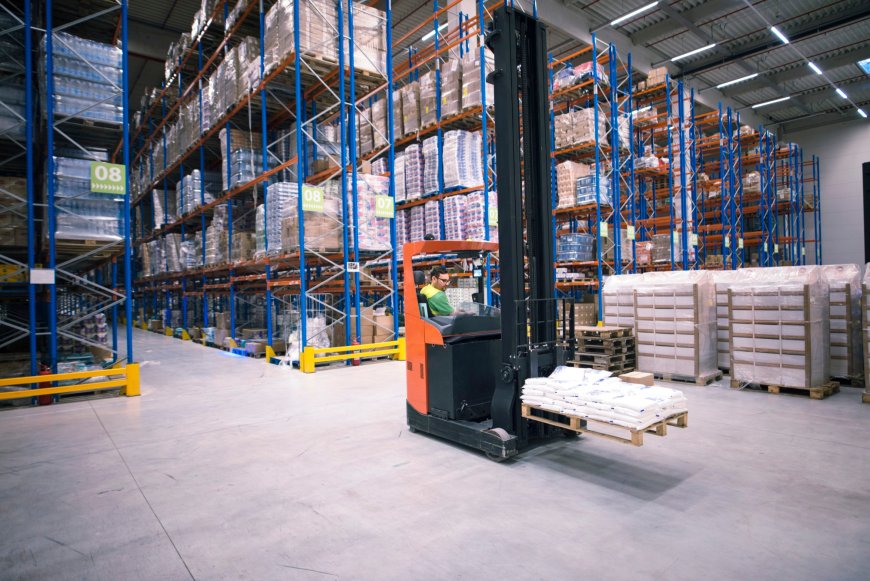
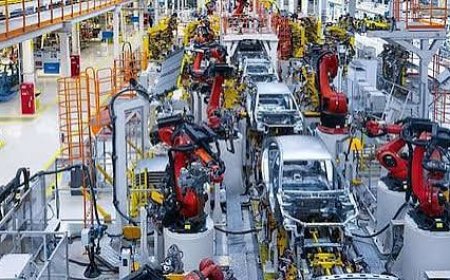
Saudi Arabia's manufacturing and logistics footprint continues to expand at a rapid clip, with new data showing the Kingdom's industrial base has grown to 13,660 establishments, reinforcing its ambitions to become a leading regional production and distribution hub.
According to a newly released quarterly report, Saudi Arabia's industrial occupancy exceeded 90 percent across key markets in the second quarter, while the number of industrial establishments rose to 13,660 in April. The figures come from JLL's KSA Industrial Market Dynamics report covering the second quarter of 2026, and they point to a sector that has weathered regional turbulence while continuing to attract new tenants and investors.
Steady Growth Despite Regional Headwinds
What stands out most is the pace of expansion. The industrial base grew from 12,289 establishments a year earlier, with 322 new industrial licenses issued and 188 factories beginning production during the period. That growth has translated directly into occupier demand, with the report noting that the expansion is generating additional appetite for industrial and logistics space nationwide.
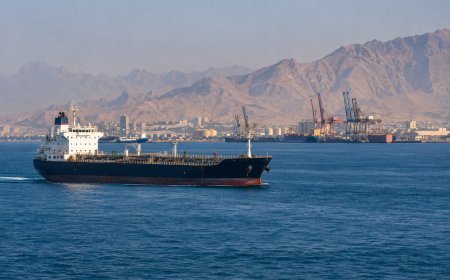
Crucially, this growth has held up even as broader regional disruptions — including shipping constraints tied to the Strait of Hormuz — have complicated trade flows across the Gulf. Occupancy in Riyadh, Jeddah and the Dammam Metropolitan Area remained above 90 percent, supported by lease renewals and continued absorption of space despite the wider regional disruptions.
Saud Al Sulaimani, JLL's CEO and head of capital markets for Saudi Arabia, framed the resilience as a reflection of structural strength rather than a temporary rebound. He said the sector's resilience and adaptability, backed by national directives and strategic port infrastructure investments aligned with Vision 2030, have reinforced the Kingdom's position as a global trade hub. He added that this structural demand — including expanded capacity at the Kingdom's Red Sea ports — is fostering a dependable environment for investment and fueling growing interest in premium, well-located logistics space even amid broader macroeconomic uncertainty.
Rents Climbing on Grade A Scarcity
The tightening of supply has pushed rental rates higher across the Kingdom's principal hubs. Average rents in Jeddah, the Kingdom's primary western gateway, climbed 4.8 percent, while rents in Riyadh rose 3.9 percent, with the Industrial Gate City submarket commanding the highest rate at SAR300 per square meter annually. Analysts attribute the increases largely to a persistent scarcity of Grade A industrial stock, a trend that has outweighed any dampening effect from regional geopolitical tensions.
Separate research from Knight Frank paints a similarly bullish picture of Riyadh's market specifically. Strong demand fundamentals driven by rapid e-commerce growth, urbanization and an increasingly tech-savvy consumer base pushed average industrial rents in Riyadh up 16 percent year-on-year, with overall occupancy standing at 98 percent. That report also pointed to rising demand for specialized facilities such as cold storage for pharmaceuticals and food supply chains, alongside large-scale data centers linked to the expansion of major global technology companies into the Kingdom.
Freight Costs and the Road Ahead
Looking forward, JLL expects near-term freight costs to remain elevated due to ongoing operational disruptions in the region, though it anticipates that western Saudi ports will retain a meaningful share of diverted trade flows once conditions normalize — a dynamic that should continue to support demand for nearby warehousing.
The broader ambition driving this expansion is spelled out clearly in national policy. Under the National Industrial Strategy, the Kingdom aims to increase the number of industrial plants to about 36,000 by 2035, up from just 7,206 in 2016, while Vision 2030 continues to focus on expanding production, strengthening local content and deepening integration between manufacturing and logistics.
For investors and developers, the message from the latest data is clear: despite a volatile regional backdrop, Saudi Arabia's industrial and logistics real estate market remains one of the most tightly held and fastest-growing segments of the Kingdom's diversifying economy, with occupier commitment showing few signs of easing in the months ahead.