





















Oil Prices Fall on Iran-Oman Hormuz
Brent and WTI crude tumble over 2% as Iran and Oman discuss a temporary corridor through the Strait of Hormuz, easing months of shipping disruption fears.

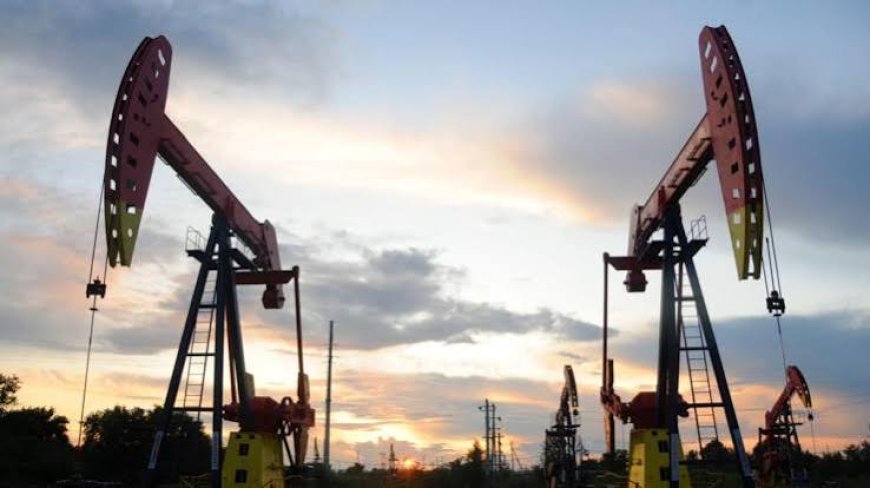
Global oil markets absorbed a sharp jolt on Wednesday as crude prices tumbled for a third consecutive session, driven by renewed diplomatic movement between Iran and Oman over the future of the Strait of Hormuz — one of the world's most strategically vital waterways.
By mid-morning trading, benchmark Brent crude had shed more than two dollars a barrel, slipping toward the mid-$80 range and touching its lowest point in roughly two weeks. Brent crude futures fell 2.6 percent, dropping to their lowest level since August 13, while US West Texas Intermediate crude slid a similar margin to sink to its weakest point since August 10. Both benchmarks had already lost more than three percent in the previous session, extending a slide that has wiped out much of the geopolitical risk premium built up since fighting first disrupted the region.
What's Driving the Drop
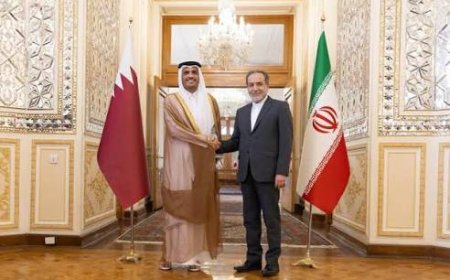
The catalyst behind the sell-off is a fresh round of diplomacy between Tehran and Muscat. Iran said it had restarted talks with Oman over managing the strait as it faces mounting economic pressure from Washington, reviving hopes that one of the busiest energy corridors on the planet could soon see freer movement of tankers. The two countries said discussions had focused on establishing a joint temporary navigational corridor through the strait, along with an agreement to clear it of mines.
For traders and analysts, the news marked a meaningful shift in tone. Bjarne Schieldrop, chief commodities analyst at SEB Research, said the renewed dialogue between Tehran and Muscat over transiting oil and petrochemicals through Hormuz had created a degree of market optimism. Saxo Bank's head of commodity strategy offered a similar assessment, framing the price action as a repricing exercise. According to Ole Hansen, markets have moved away from pricing a high probability of prolonged disruption and renewed escalation, and are now leaning toward partial reopening, negotiated shipping arrangements and a reduced risk of fresh military confrontation.
Not everyone is convinced the momentum will translate into a swift return to normal trade flows, however. ING analysts Warren Patterson and Ewa Manthey cautioned that a full agreement between Oman and Iran would not restore oil flows through the strait to pre-war levels, arguing that Washington would likely need to lift its blockade on Iranian ports and ease sanctions before any genuine normalization could occur.
A Waterway Under Strain
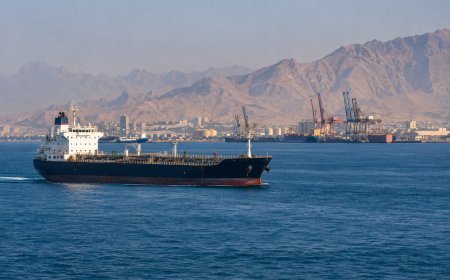
The scale of the disruption becomes clear when looking at recent shipping data. Only five commodity vessels transited the waterway on Tuesday, according to preliminary figures from ship-tracker Kpler, down sharply from the ten-day average of fifteen and far below levels recorded before the conflict began. Before hostilities erupted in February, the strait was handling a striking share of global energy trade — roughly one-fifth of global oil and liquefied natural gas shipments passed through it before the US-Israeli war against Iran began earlier this year.
Beyond the pricing swings, there are early signs that Washington itself sees reduced risk of the conflict widening further. Two people familiar with the matter told Reuters that the United States has begun sending personnel back to some diplomatic missions in the Middle East that had been evacuated or scaled down amid the tensions with Iran, a move interpreted by some observers as a signal of cautious de-escalation.
Why It Matters for the Gulf
For energy-exporting economies across the Gulf, including Saudi Arabia, the Strait of Hormuz negotiations carry outsized significance. A durable reopening would ease freight bottlenecks, stabilize insurance costs for tankers, and restore a degree of predictability to regional trade that has been missing for months. Conversely, any breakdown in the Iran-Oman dialogue could just as quickly send prices climbing again, given how tightly markets are now tracking developments around the waterway.
Analysts at Fujitomi Securities in Tokyo characterized the current environment as one of tempered optimism rather than certainty. The consensus among traders appears to be that while diplomatic signals are encouraging, the underlying dispute between Iran and the United States remains far from resolved, meaning volatility is likely to persist in the sessions ahead. Market watchers across the Gulf will be closely monitoring whether Tuesday's discussions translate into concrete measures — such as an announced navigational corridor or mine-clearing operations — that could begin restoring shipping confidence through one of the world's most consequential chokepoints.