

























Saudi Coalition Hits Houthi Sites After Oil Facility Attacks
Saudi-led forces launched fresh airstrikes on Houthi positions in Yemen after drone and missile attacks wounded dozens and ignited fires at Saudi energy sites.

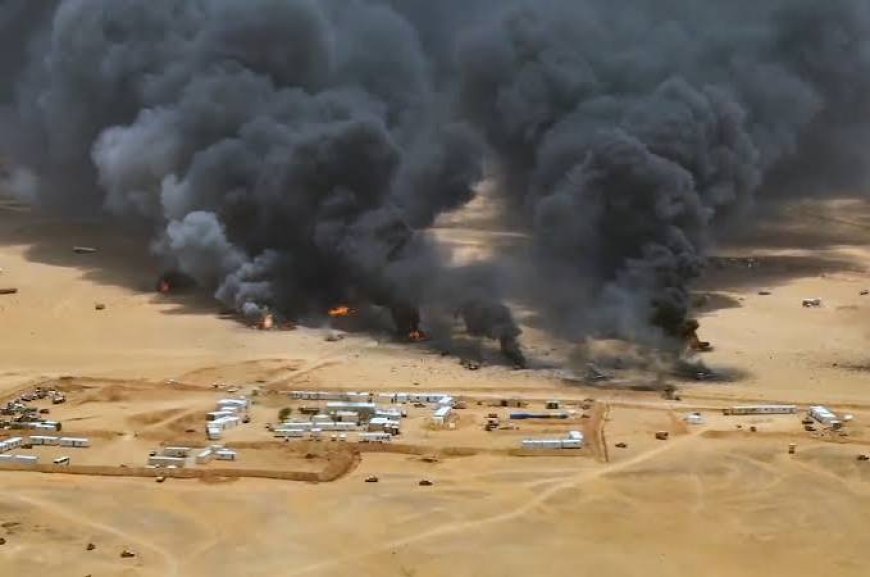
Kingdom Responds After Houthi Strikes Hit Four Southern Cities
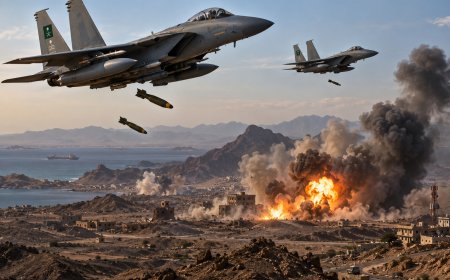
Saudi Arabia has moved to reassert control over its southern border region after one of the most serious rounds of cross-border violence the kingdom has faced in years. Following a wave of drone and ballistic missile attacks launched by Yemen's Iran-aligned Houthi movement earlier this week, coalition forces led by Riyadh carried out a series of retaliatory strikes on Houthi military positions inside Yemen, according to statements from officials on both sides of the conflict.
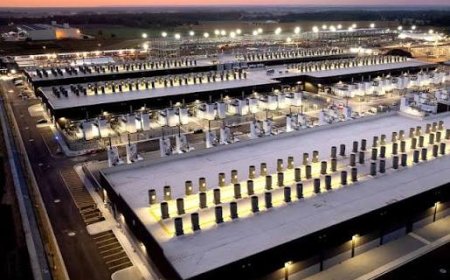
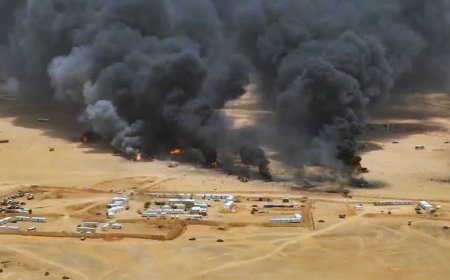
The Houthi assault, which unfolded before dawn, targeted the Saudi cities of Abha, Khamis Mushait, Najran and Jazan. Officials representing the Saudi-led coalition said the strikes wounded more than 70 people, including women and children, and caused fires to break out at several energy and utility sites in the kingdom's southern provinces. The Saudi Ministry of Energy confirmed that operations at some facilities were temporarily suspended as emergency crews worked to contain the blazes and assess structural damage.
Among the areas hit was the vicinity of Jazan, home to one of the kingdom's largest refining complexes, capable of processing hundreds of thousands of barrels of crude per day. While full damage assessments are still being finalized, the scale of the strikes has been described by regional analysts as among the most significant attempts by the Houthis to disrupt Saudi energy infrastructure since the group escalated its campaign against the kingdom.
A Rapidly Deteriorating Security Picture
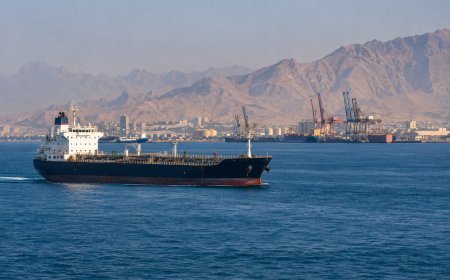
The latest exchange did not emerge in isolation. Tensions between Riyadh and the Houthi movement have been building steadily since mid-year, when the group declared a naval blockade targeting shipping bound for Saudi ports and began a fresh campaign of harassment against vessels transiting the Red Sea near the Bab al-Mandeb Strait one of the world's most strategically vital maritime corridors.
Houthi military spokesperson Yahya Saree said the group's latest attacks were carried out in response to a series of coalition airstrikes inside Yemen over the preceding days, which the Houthis claim caused significant casualties among their ranks. The Saudi-led coalition has not confirmed the Houthi casualty figures, but coalition spokesperson Major General Turki al-Malki said the alliance would take all necessary steps to defend the kingdom's sovereignty and would not allow attacks on civilian and economic infrastructure to go unanswered.
In the hours that followed, coalition aircraft carried out dozens of sorties against Houthi military assets across multiple Yemeni provinces, according to statements from the rebel-run Houthi administration in Sanaa, which said its air defenses had intercepted some of the incoming strikes. Independent verification of the exact number of sorties and their outcomes remains difficult given the restricted access to the affected areas.
Ripple Effects on Energy Markets and Regional Diplomacy
The clash carries consequences well beyond the immediate battlefield. Saudi Arabia remains the world's largest oil exporter, and any disruption to its production or export infrastructure tends to reverberate quickly through global energy markets. Traders have already been monitoring the standoff closely, with crude benchmarks climbing in the wake of the attacks as markets priced in the risk of further supply disruption.
The escalation also lands at a delicate moment for regional diplomacy. Gulf states have spent recent months attempting to manage a wider and increasingly unpredictable conflict involving Iran, and officials across the region have repeatedly called for restraint and a return to dialogue. Saudi Arabia's foreign ministry reiterated that the kingdom retains what it called its legitimate right to defend its sovereignty and protect its citizens, while stressing that a full-scale expansion of the conflict would serve no party's interests.
Yemen's protracted civil war, which has raged in various forms for more than a decade, had entered a fragile lull in previous years following a long-standing truce. That calm has unravelled steadily over the past several months as the wider regional war involving Iran, the United States and Israel reshaped alliances and incentives across the Arabian Peninsula. Government-aligned forces on the ground in Yemen say they have made gains in provinces including Hodeida, Taiz and Baydah even as the front lines around the capital remain largely static.
What Comes Next
For residents of Saudi Arabia's southern provinces, the immediate concern is safety and the restoration of normal life following the fires and disruption. Emergency services have been deployed to affected sites, and authorities have urged calm while damage assessments continue. Officials have not indicated whether further retaliatory action is imminent, though sources familiar with Saudi military planning have suggested that coordination with international partners, including the United States, is ongoing.
Analysts caution that the coming days will be critical in determining whether the latest exchange represents a contained flare-up or the opening chapter of a longer and more damaging confrontation. With energy infrastructure now directly in the crosshairs and Gulf shipping lanes increasingly contested, the stakes for regional stability and for global energy security have rarely been higher.