


























Houthi Attacks Wound 73, Hit Saudi Energy Facilities
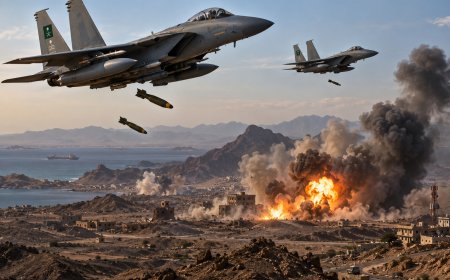
Houthi missile and drone strikes hit Saudi energy facilities in Jazan, Abha, Khamis Mushait and Najran on Tuesday, injuring 73 people and sparking fires.


Saudi Arabia woke up to a security emergency on Tuesday after Yemen's Houthi movement launched a coordinated barrage of missiles and drones against several cities in the kingdom's southern provinces, wounding dozens of people and setting fire to key pieces of energy infrastructure.
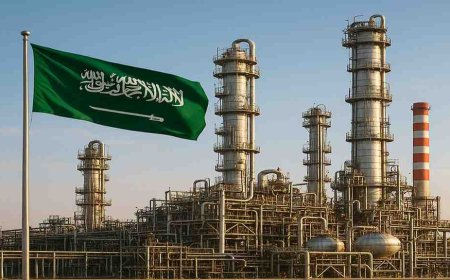
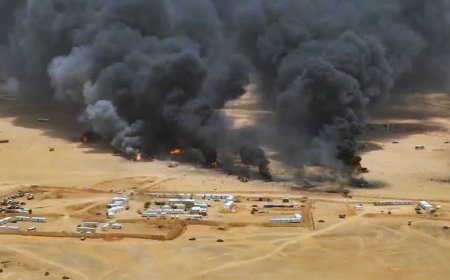
The Saudi Ministry of Energy confirmed in a statement that a number of energy sector facilities and installations in the south came under attack early Tuesday morning. The ministry said the strikes triggered fires at multiple locations and forced a temporary halt to operations at some sites. Specialized emergency teams were dispatched immediately to contain the blazes, secure the facilities and assess the extent of the physical damage.
According to the ministry, the immediate priority has been protecting personnel and restoring normal operations as quickly as safety conditions allow. Officials said comprehensive damage assessments were underway across the affected sites, and that anyone hurt in the attacks was receiving medical treatment.
Dozens Wounded Across Southern Cities
The human toll of the assault became clearer as the day unfolded. A spokesman for the Saudi-led coalition supporting the internationally recognized government in Yemen said the strikes left more than 70 people injured, including women and children, across several towns and cities in the kingdom's south.
Major General Turki Al-Maliki, the coalition's official spokesman, said the attacks specifically targeted civilian and economic sites in Abha, Khamis Mushait, Jazan and Najran, resulting in 73 confirmed civilian injuries. He described the escalation as a dangerous and irresponsible act by the Houthi movement, arguing it demonstrated the group's willingness to strike at ordinary residents rather than military targets.
Al-Maliki said the coalition considered the assault a clear violation of Saudi sovereignty and a direct threat to the safety of citizens and residents in the affected areas. He added that joint coalition forces would take whatever operational measures were necessary to deter further Houthi aggression and neutralize the sources of the threat.
Strategic Energy Hub in the Crosshairs
The southern region targeted by Tuesday's strikes is not just a population center — it is also home to some of Saudi Arabia's most important energy assets. The province hosts a major refinery in Jazan with a processing capacity of roughly 400,000 barrels of crude per day, one of the largest in the kingdom. The area has been targeted before: Houthi forces have previously claimed strikes on Abha's international airport, underscoring the persistent risk faced by civilian and industrial infrastructure in the border region.
Analysts who track the Yemen conflict note that the southern Saudi provinces sit close to the border with Houthi-controlled territory, making them a recurring flashpoint whenever tensions between Riyadh-backed coalition forces and the Iran-aligned group intensify. Tuesday's attack arrives against a backdrop of broader regional instability, with energy infrastructure across the Gulf increasingly viewed as a pressure point in the wider standoff between Iran and its regional rivals.
Coalition Vows a Firm Response
Officials in Riyadh moved quickly to frame the attacks as a serious escalation rather than an isolated incident. Al-Maliki said the coalition would take the necessary measures and procedures to respond to the sources of the threat, language that suggests further military action against Houthi positions inside Yemen may follow in the coming days.
The Saudi government's response reflects years of experience managing cross-border threats from Yemen, where a coalition led by Riyadh has supported the internationally recognized government against Houthi forces since 2015. Despite periods of relative calm and diplomatic efforts to de-escalate the conflict, sporadic attacks on Saudi territory have continued, particularly against infrastructure viewed as economically or symbolically significant.
For residents of Abha, Khamis Mushait, Jazan and Najran, Tuesday's strikes were a stark reminder that the low-intensity conflict along the kingdom's southern border remains far from resolved. Local authorities have urged calm while emergency response teams continue work at the affected sites.
What Happens Next
The Energy Ministry said authorities were continuing to address what it called the repercussions of the attacks, working to guarantee the safety of both facilities and personnel while maintaining operational continuity in line with existing contingency plans. No official figure has yet been released detailing the financial cost of the damage or the timeline for restoring full operations at the affected sites.
Regional observers say the coming days will be critical in determining whether Tuesday's attacks mark an isolated escalation or the beginning of a renewed cycle of cross-border strikes. Given the strategic importance of the targeted facilities to both domestic energy supply and export capacity, the international community — and global energy markets — will be watching closely for any further developments.