





















Oil Prices Surge After Houthi Attacks on Saudi Sites
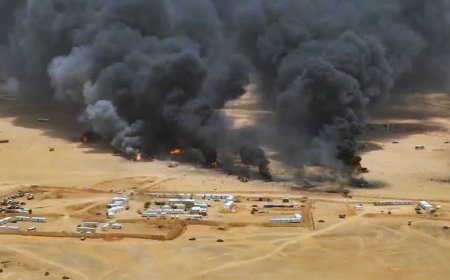
Brent crude climbed near $99 a barrel Tuesday after Houthi strikes damaged Saudi energy facilities, adding fresh supply fears to an already jittery oil market.

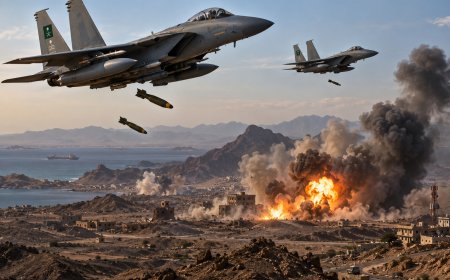
Global crude markets jolted higher on Tuesday after news broke that Houthi missile and drone strikes had damaged energy facilities in Saudi Arabia's southern region, reviving fears that the world's top oil exporter could face further disruptions to its production and export capacity.
Futures for Brent crude, the international benchmark, climbed roughly 2 percent to trade near  94 a barrel and reaching levels not seen since early June. The moves extended a rally that has been building for weeks amid escalating hostilities across the wider Middle East.
Attacks Add to an Already Nervous Market
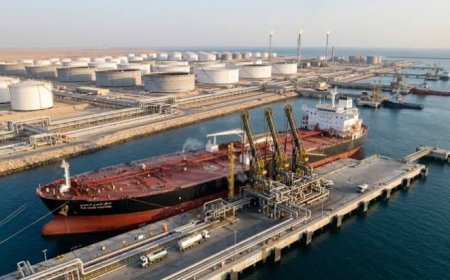
Traders reacted swiftly to confirmation from Saudi authorities that the strikes had wounded more than 70 people and forced a temporary suspension of operations at some energy facilities. The kingdom, which remains the world's largest oil exporter, has spent months managing supply routes amid heightened regional friction, and any disruption to its domestic energy infrastructure tends to ripple quickly through global pricing.
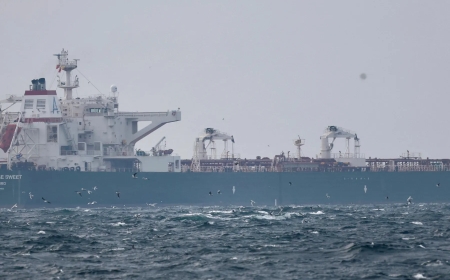
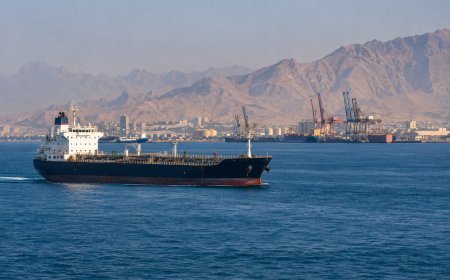
Market analysts pointed out that the latest attacks compounded existing anxiety tied to tensions along the Strait of Hormuz, a critical corridor through which a significant share of the world's daily oil and gas supply normally passes. Shipping through the strait has already slowed in recent months as regional actors have traded threats and, in some cases, direct military action.
Adding to the pressure, officials in Tehran have separately warned of what they described as economic countermeasures against Western interests, further souring sentiment among traders who had already priced in a growing risk premium for Gulf supply.
Investment Banks Revise Forecasts Upward
The renewed volatility has prompted major financial institutions to adjust their price outlooks. Goldman Sachs recently raised its Brent crude forecast by  85 a barrel for December 2026, while lifting its WTI estimate to $80 a barrel over the same period. The bank's analysts said they expect Middle East shipping disruptions to persist well into 2027, with a meaningful recovery in production and logistics unlikely before the second half of that year.
The bank's commentary reflected a broader shift in how markets are pricing geopolitical risk. Rather than treating individual attacks as one-off shocks, many analysts now describe a "sustained risk premium" that has become baked into oil prices as the conflict drags on, with traders increasingly focused on the durability of supply routes rather than any single incident.
Impact on Consumers and Global Markets
Higher crude prices typically translate into higher costs at the pump and increased input costs for a wide range of industries, from airlines to petrochemical manufacturers. Should the current price trajectory hold, consumers in oil-importing nations could see noticeable increases in fuel and transportation costs in the weeks ahead, adding further complexity to inflation outlooks already strained by other global pressures.
For Saudi Arabia itself, the situation carries a delicate balance. While elevated oil prices can boost government revenue at a time when the kingdom is pursuing an ambitious economic diversification agenda under Vision 2030, sustained instability directly threatens the very infrastructure that generates that revenue. Attacks on domestic energy facilities also raise the cost of insurance, security and infrastructure protection, expenses that can erode some of the financial benefit of higher global prices.
What to Watch Next
Energy analysts say the coming days will be pivotal in determining whether Tuesday's price surge proves temporary or marks the start of a more prolonged rally. Key indicators to watch include the pace of repairs at the affected Saudi facilities, any further escalation between the Saudi-led coalition and Houthi forces, and developments around shipping activity in the Strait of Hormuz and the Red Sea's Bab el-Mandeb corridor, both of which remain critical chokepoints for global energy trade.
With inventories already tight in several major consuming economies, market watchers caution that any additional supply shock — whether from further attacks, shipping disruptions or unexpected production outages — could push prices meaningfully higher in a short period. For now, traders are treating Tuesday's rally as confirmation that Gulf security risks remain firmly at the center of global energy markets.