


























Syria Destroys Chemical Weapons, Blames Israeli Strikes
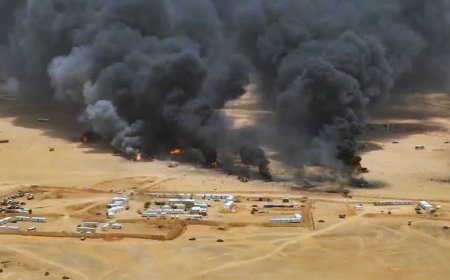
Syria has begun destroying Assad-era chemical weapons for the first time since 2014, while urging the UN Security Council to stop Israeli strikes disrupting the process.

Shttps://www.opcw.org/media-centre/featured-topics/opcw-and-syriayria has taken its most significant step yet toward shedding the legacy of Bashar al-Assad's chemical weapons program, with international inspectors confirming this week that munitions from the toppled regime's arsenal have been destroyed for the first time in more than ten years.
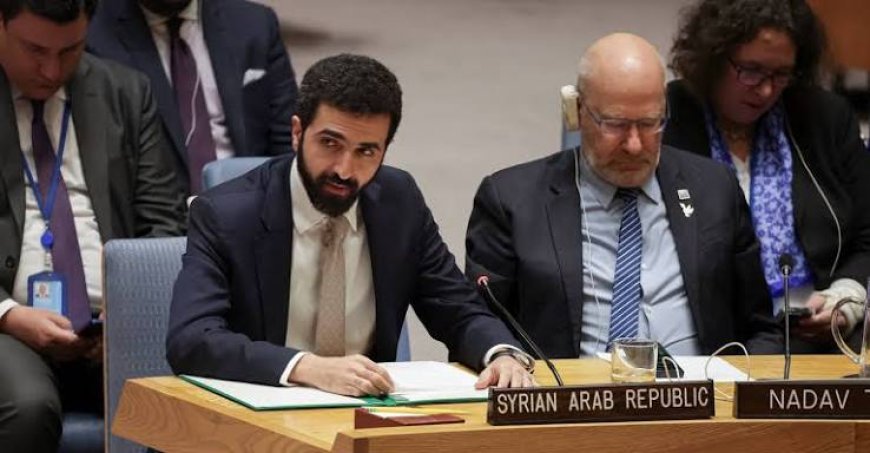
The announcement came during a briefing to the United Nations Security Council, where Syria's ambassador described the moment as a turning point for a nation still working to rebuild trust with the international community after decades of dictatorship and civil war.
A Decade-Long Wait Ends
Inspectors from the Organization for the Prohibition of Chemical Weapons confirmed that dozens of aerial bombs declared by Damascus as part of the former government's chemical arsenal have now been verifiably destroyed. It is the first time since 2014 that the global chemical weapons watchdog has been able to confirm such destruction taking place on Syrian soil.
The materials in question were uncovered in May, after the new Syrian authorities began combing through facilities and archives left behind following Assad's fall in December 2024. What they found went beyond what had previously been disclosed: a hidden production site, chemical compounds used in nerve agents, and additional stores of munitions that had never been reported to international monitors.
Officials briefing the council noted that Damascus had since updated its formal declaration to reflect these discoveries, a move that appears to have restored some of Syria's standing within the international disarmament framework. Syria's rights and privileges under the Chemical Weapons Convention, which had been suspended for years, were reinstated over the summer after the country granted inspectors expanded access to declared sites.
Syria's Envoy Presses the Case
Addressing council members, Syria's UN representative framed the destruction effort as an inheritance the new government never wanted but has chosen to confront responsibly. He noted that the responsibility for the toxic legacy fell to the current administration even though it played no role in creating it, and he urged member states to support rather than hinder Damascus as it works through the process.
He went further, accusing Israel of repeatedly striking areas near locations tied to the disarmament effort, actions he said have endangered the safety of the teams carrying out the work and, at times, brought operations to a standstill entirely. He argued that a country cannot be expected to guarantee regional security while its own personnel are exposed to attacks it says violate international agreements. The Israeli military has not issued a public response to the specific allegations raised at the council session.
The Shadow of Ghouta
The destruction effort carries deep symbolic weight for Syrians who lived through the country's darkest chapters of chemical warfare. The 2013 sarin gas attack on the Damascus suburb of Ghouta remains the deadliest chemical weapons assault of the civil war, with rights monitors estimating more than a thousand people were killed when rockets carrying the nerve agent struck residential areas. Some estimates place the death toll considerably higher, with thousands more left injured or suffering long-term health effects.
For years afterward, international investigators accused the Assad government of continuing to use chemical weapons against its own population despite an internationally brokered agreement in 2013 that was meant to have eliminated the arsenal entirely. That failure to fully disarm became one of the defining symbols of the former regime's brutality.
Accountability Efforts Move Forward
Alongside the destruction process, Syrian authorities say they are preparing to hold the country's first court hearing connected to the chemical weapons program. Earlier this year, officials detained eighteen suspects accused of involvement in the initiative, a group that reportedly includes former senior military commanders, political figures, and technical specialists who worked on the program under Assad.
Council members, including delegations that have historically been cautious about Damascus's new leadership, used the session to stress the importance of continued international funding and technical support for the OPCW, arguing that the watchdog needs sustained backing to complete verification work across Syria's territory.
A Fragile but Meaningful Milestone
Diplomats and analysts following the process caution that full disarmament remains a long way off, particularly if strikes on Syrian territory continue to interrupt fieldwork. Even so, the confirmed destruction of munitions this week is being treated as a genuine milestone in Syria's slow transition away from the chemical weapons legacy that defined so much of the civil war era.
For a country still finding its footing after the collapse of a dictatorship and years of devastating conflict, officials in Damascus are framing the effort as proof that Syria can meet its international obligations on its own terms, provided the security conditions allow the work to continue.