

























Saudi Arabia Foils Houthi Drone Attack Near Mecca
Saudi-led coalition intercepts a Houthi drone near Mecca, calling holy site security a "red line" as Gulf tensions escalate amid the wider regional conflict.

Coalition Confirms Drone Destroyed Before Reaching Restricted Airspace
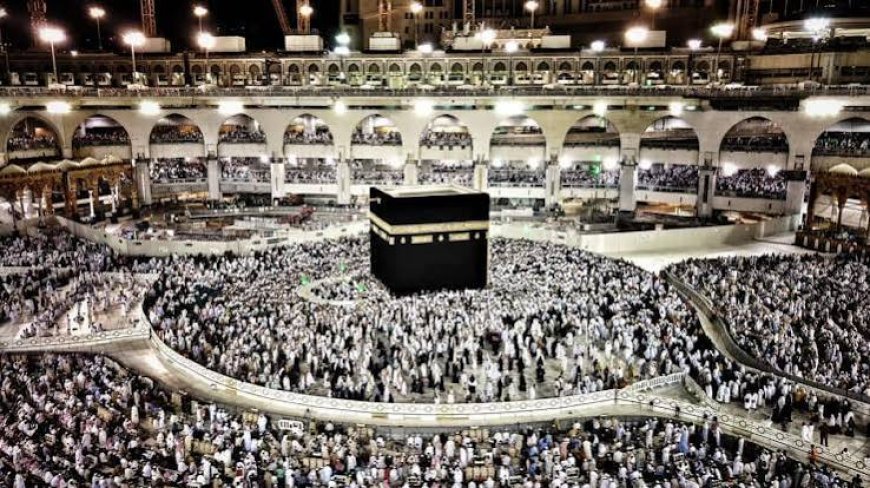
Saudi Arabia's air defence forces intercepted and destroyed a drone launched by Yemen's Houthi movement on Tuesday evening, stopping it before it could enter the tightly restricted airspace surrounding Mecca, Islam's holiest city. The Saudi-led military coalition confirmed the incident on Wednesday, describing it as only the second attempt in nearly a decade to target the city.
Coalition spokesperson Turki al-Malki said the safety of the Two Holy Mosques and the millions of pilgrims who visit them each year would not be compromised under any circumstances. He indicated that further defensive and deterrent action against the Houthi group remains firmly on the table should similar attempts occur again.
Houthis Reject Saudi Account
The Iran-aligned Houthi movement swiftly pushed back on the coalition's version of events, dismissing the claim as fabricated and denying any intention to strike Mecca. This is not the first time the two sides have offered conflicting narratives during the prolonged conflict; the Houthis have repeatedly disputed Saudi accounts of intercepted projectiles throughout the Yemen war.
Regardless of the dispute over intent, the incident has triggered swift condemnation from governments and religious authorities across the Muslim world, who view any threat—real or perceived—to Mecca as a matter transcending ordinary geopolitical rivalry. The city is not only home to the Grand Mosque but also serves as the focal point of the annual Hajj pilgrimage, drawing millions of worshippers from every continent.
A Widening Regional Conflict
Wednesday's episode did not occur in isolation. Fighting between the Houthis and the Saudi-backed Yemeni government has intensified sharply in recent days. A rapid Houthi offensive last week resulted in the group seizing full control of Yemen's Red Sea coastline, including the strategically vital Bab al-Mandab Strait—a corridor that plays a critical role in Saudi oil exports.
The timing is particularly sensitive given that the broader Middle East conflict has already disrupted global shipping through the Strait of Hormuz, meaning two of the world's most important maritime chokepoints are now simultaneously affected by hostilities. Analysts note that a squeeze on both routes could have outsized consequences for global energy markets and supply chains, a concern shared widely across Gulf capitals, including Abu Dhabi and Dubai.
First Test for New Regional Defence Pact
The attempted strike also represents the first real test of a recently formed defence arrangement between Saudi Arabia, NATO member Turkey, and nuclear-armed Pakistan. However, officials from both Ankara and Islamabad have indicated that Riyadh has not yet formally requested support under the pact, with a Turkish official noting that further institutional groundwork is still required before the alliance becomes fully operational.
This detail underscores a broader dynamic in the region: even as new alliances are forged in response to escalating threats, the practical mechanisms for coordinated response often lag behind the pace of events on the ground.
What It Means for the UAE and the Wider Gulf
For residents and businesses across the UAE, the incident serves as a reminder that regional security risks remain elevated even in areas seemingly distant from active front lines. The UAE has itself weathered direct drone incursions into its territorial waters and airspace over the past several months as part of the wider conflict involving Iran, and Gulf governments have been increasingly vocal in calling for de-escalation and a durable political resolution.
Aviation, shipping, and insurance sectors across the region continue to monitor developments closely, given how quickly incidents such as Tuesday's can ripple into flight rerouting, higher freight costs, and shifts in traveller sentiment—particularly during the upcoming Hajj and Umrah planning season.
Looking Ahead
The coalition has not detailed specific retaliatory steps but has signalled that its posture toward the Houthis will harden if further attempts materialise. With the group already controlling key coastal territory and continuing to contest Red Sea shipping lanes, the potential for further escalation remains high.
For now, Saudi authorities say pilgrim safety remains uncompromised, and normal operations at Mecca's holy sites continue. But the episode adds another layer of uncertainty to a region already contending with overlapping conflicts, underscoring why governments across the Gulf, including the UAE, continue to prioritise diplomatic channels aimed at de-escalation alongside robust air defence readiness.