



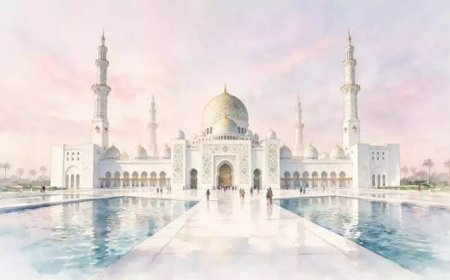

















Sheikh Zayed Grand Mosque Now Charges Entry Fees
Abu Dhabi's Sheikh Zayed Grand Mosque now charges Dh5–Dh10 entry fees for visitors, though worship remains free for all.

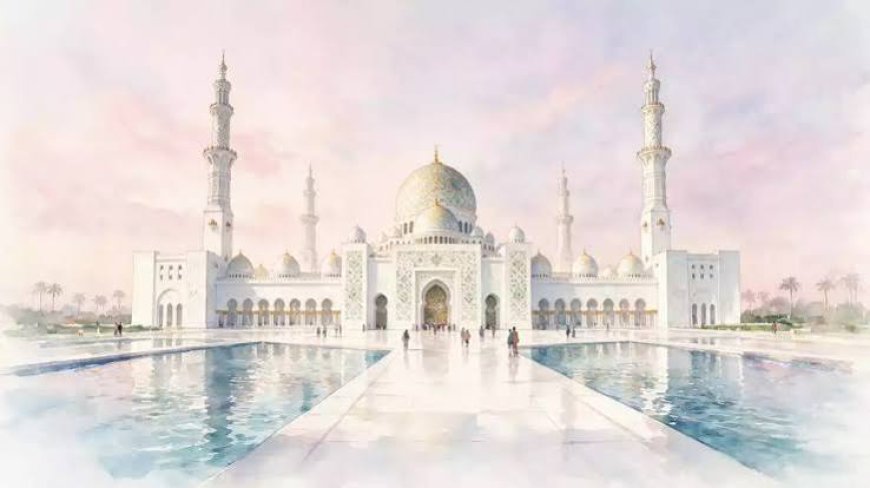
The End of Free Entry for One of the World's Most-Visited Mosques
For decades, one of the most consistent facts visitors could rely on when planning a trip to Abu Dhabi was that entry to the Sheikh Zayed Grand Mosque cost nothing at all. That has now changed. The Sheikh Zayed Grand Mosque Centre, the body that oversees the landmark, has quietly introduced entry fees for visitors — a shift confirmed on its official website and now being widely reported across UAE media.
Under the new structure, UAE Emirates ID holders will pay Dh5 (about $1.35) to enter, while international tourists will be charged Dh10. Visitors arriving as part of an organised tour group will pay a slightly higher Dh8, reflecting the added logistics of managing group access. Importantly, the mosque remains completely free for anyone entering to worship, ensuring the change does not affect the site's core religious function.
Who Still Gets in Free
The Centre has built in a number of exemptions clearly aimed at protecting accessibility. Visitors aged 60 and above can enter free of charge, as can children under three and People of Determination. Fees for official delegations, meanwhile, will continue to be set separately by the relevant government authorities rather than following the standard visitor pricing.
Booking is handled entirely online through the mosque's official website, and visitors are encouraged to secure their slot no more than one month ahead of their intended visit date. Standard visiting hours run from 9am to 8:30pm, Saturday through Thursday. Fridays follow a split schedule, with visits available from 9am to 11:30am and then again from 2:30pm to 8:30pm, accommodating the mosque's role as an active place of Friday prayer.
What the Fee Actually Covers — and What Costs Extra
The basic entry fee covers access to the mosque's iconic marble courtyards, prayer halls and architectural highlights — including its famous chandeliers and hand-knotted carpets, among the largest in the world. However, several of the site's newer, more immersive attractions carry their own separate charges.
Diya, a 360-degree immersive sound-and-light experience that takes visitors on a sensory journey beginning under a star-lit sky before descending through the UAE's landscapes — its oases, mountains, coastlines and deserts — before culminating at the mosque's own domes and minarets, costs Dh25. The Light & Peace Museum, which explores themes of faith, coexistence and cultural heritage through interactive exhibits and artefacts, also carries a Dh25 charge. Visitors wanting access to both can purchase a combined pass for Dh40.
Guided cultural tours of the mosque itself, however, remain free of charge — a detail officials appear keen to emphasise. Tours run in both Arabic and English, led by official cultural tour specialists, and typically last between 30 and 45 minutes, covering the mosque's architecture, Islamic art and cultural significance. On most days tours run at 11am, 1pm and 5pm, with Fridays limited to the 11am and 5pm slots due to prayer scheduling. Visitors can also opt for a paid tour of the mosque's main prayer hall for Dh30, offering a closer look at its craftsmanship.
A Landmark Under Growing Pressure From Its Own Popularity
The scale of interest in the mosque may help explain the timing of the change. According to figures released by the Sheikh Zayed Grand Mosque Centre, the site welcomed more than 3.1 million guests in just the first half of 2026 alone — a figure made up of roughly 1.84 million worshippers and fasting guests, 1.24 million visitors from a wide range of nationalities, and tens of thousands of users of the Centre's recreational facilities.
Managing crowds of that size at a site that is simultaneously a working mosque, a major tourist attraction and the final resting place of the UAE's Founding Father, Sheikh Zayed bin Sultan Al Nahyan, presents a genuine operational challenge. A modest ticketing fee, paired with online booking, gives the Centre a practical tool for managing visitor flow and maintaining the calm, respectful atmosphere the site is known for — without compromising its accessibility to worshippers or those visiting on limited budgets.
For travellers planning an Abu Dhabi trip, the takeaway is simple: budget a small entry fee going forward, but know that the mosque's cultural tours — arguably the richest part of the visitor experience — remain free.