


















British and Venezuelan flags representing upgraded diplomatic relations between the UK and Venezuela
Dubai and Abu Dhabi airports stay open despite delays and cancellations as the US-Iran conflict disrupts Gulf airspace and shipping lanes.

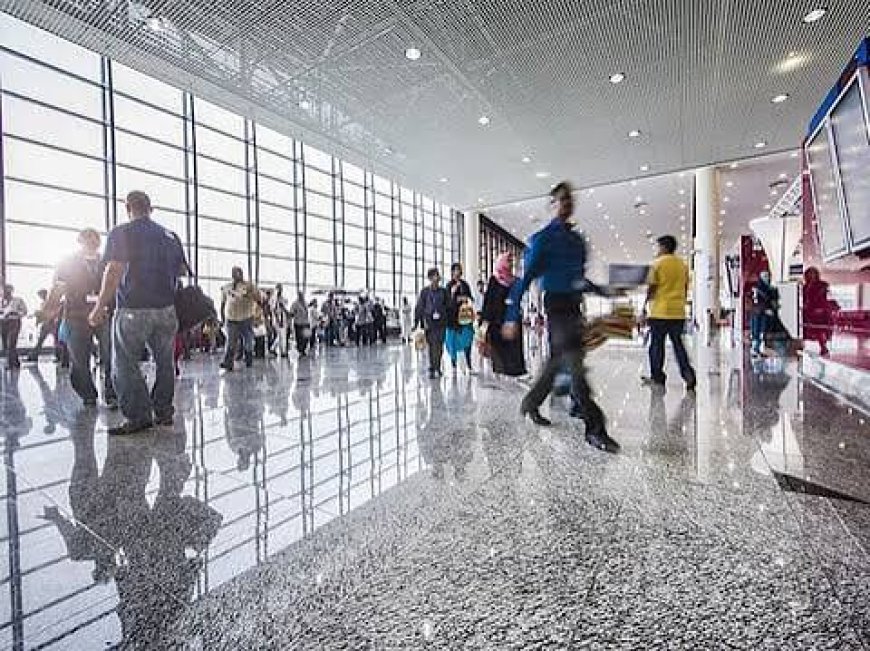
A familiar rhythm of delays returns to Gulf skies
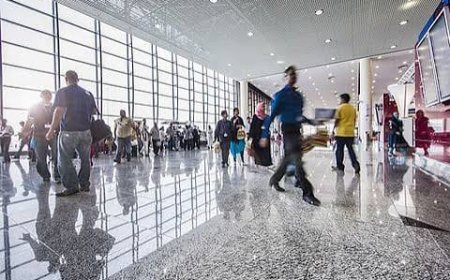
Residents across the UAE woke up on Tuesday to a now-familiar set of headlines: another round of flight delays, a handful of cancelled routes, and continued caution around the waters that carry much of the world's energy trade. The US-Iran conflict, now well into its fourth month, continues to leave its mark on daily life in the Emirates, even as officials stress that the country's two biggest airports remain fully functional.
Dubai International Airport and Abu Dhabi's Zayed International Airport have both continued round-the-clock operations throughout the crisis, but travellers have had to adjust to a pattern of longer routings, occasional rescheduling, and last-minute cancellations on specific corridors. Several services connecting the UAE with Kuwait and Bahrain were called off this week, while flights to destinations such as Abha and Kochi also faced disruption. Airlines have been careful to note that not every delay is tied directly to the security situation — some are the result of routine operational issues but the overall picture remains one of a region still adjusting to conflict-era flying conditions.
Airlines adapt, but caution persists
Emirates, Etihad Airways, flydubai and Air Arabia have each had to rework elements of their networks since the conflict began, rerouting around higher-risk airspace to avoid areas linked to Iran, Iraq and Lebanon. That extra distance adds flying time, which in turn creates knock-on delays across connecting schedules. European aviation regulators have narrowed their advisories in recent weeks, moving from a broad regional caution notice earlier in the year to more specific, conflict-zone bulletins a sign that some normalisation is under way, even if the underlying risk has not disappeared.
For travellers, this translates into a somewhat unpredictable experience. A flight that operates smoothly one day may face a delay or route change the next, depending on how the security picture shifts. Some international carriers have resumed selected services into the Gulf that were suspended earlier in the conflict, offering a modest sign of confidence returning to the region's skies. Others continue to hold back on specific routes into Dubai, Abu Dhabi and neighbouring markets until conditions stabilise further.
The Strait of Hormuz: a slow, watchful recovery
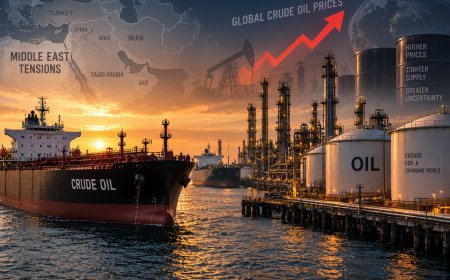
Beyond the airport terminals, much of the UAE's economic exposure to this conflict runs through the Strait of Hormuz, the narrow waterway through which a significant share of the world's traded oil and gas passes each day. Tanker traffic through the strait has shown early signs of picking back up after months of markedly reduced flows, though volumes remain well below what would be considered normal for the corridor. Shipping insurers and logistics firms are watching the situation closely, since even modest shifts in perceived risk can move freight costs and delivery timelines across the wider Gulf supply chain.
The UAE has previously and publicly condemned hostile actions in its territorial waters during earlier flashpoints in this conflict, underscoring how directly the country's own security interests are tied to what happens along these shipping lanes. For a nation whose economy depends heavily on trade, logistics and aviation, stability in these corridors is not an abstract diplomatic concern it is a practical, day-to-day issue that touches everything from supermarket shelves to airline schedules.
What it means for household budgets
One area where UAE residents already have certainty this month is fuel pricing. The UAE Fuel Price Committee's September rates took effect from the first of the month and apply nationally. Super 98 is priced at AED 3.80 per litre, Special 95 at AED 3.69, E-Plus 91 at AED 3.61, and diesel at AED 4.30 per litre. These figures reflect the broader push and pull between global oil markets — which remain sensitive to any escalation around Hormuz — and the UAE's monthly pricing mechanism, which smooths out some of that volatility for consumers.
Households and small businesses across the Emirates are being encouraged to plan around the possibility of continued disruption rather than assume a quick return to pre-conflict normalcy. Practical steps circulating among frequent flyers include booking with airlines offering flexible rebooking policies, building extra buffer time into travel plans that connect through regional hubs, and keeping an eye on airline advisories before heading to the airport.
A cautious but functioning hub
What stands out amid the disruption is the UAE's continued ability to keep its aviation and logistics sectors running. Despite the pressures of a live regional conflict, Dubai and Abu Dhabi have avoided the kind of full-scale shutdowns seen in some other parts of the Middle East during past crises. That resilience has become something of a talking point among officials and industry figures, who point to years of investment in redundancy, alternative routings and crisis planning as the reason the country's hubs have kept moving.
Still, few are willing to predict how long this state of managed disruption will last. With diplomatic efforts ongoing and the security situation still fluid, UAE residents are being advised to treat flexibility in travel plans, in budgeting, and in expectations as the most useful tool available until the wider conflict finds a resolution.