Dengue Vaccine Development Faces Complex Challenges as Cases Rise Globally
Dengue fever, a mosquito-borne viral disease, is becoming an increasingly serious global health concern, affecting millions of people every year across tropical and subtropical regions. With climate change, rapid urbanisation and expanding mosquito habitats, the disease is spreading into new areas, raising urgent questions about prevention—especially the development of effective vaccines.
At first glance, dengue appears to be an ideal candidate for vaccination. It is caused by a virus, and infection typically triggers an immune response—two factors that have enabled successful vaccines for diseases like measles and polio. However, dengue presents a unique scientific challenge that has made vaccine development far more complicated than expected.
One of the biggest hurdles lies in the nature of the virus itself. Dengue is not caused by a single virus but by four closely related variants, known as serotypes—DEN-1, DEN-2, DEN-3 and DEN-4. When a person is infected with one serotype, they usually gain lifelong immunity against that specific type, but not against the others. This creates a significant problem for vaccine design.
An effective dengue vaccine must protect against all four serotypes simultaneously. If it fails to do so, it may leave individuals vulnerable to future infections from other variants. Scientists say this requirement makes dengue far more difficult to tackle than diseases caused by a single virus strain. Developing a vaccine that delivers balanced immunity against all four serotypes has proven to be a formidable scientific challenge.
Even more concerning is a phenomenon known as antibody-dependent enhancement (ADE). In some cases, a prior dengue infection—or even vaccination—can make a subsequent infection more severe rather than preventing it. This happens when the immune response triggered by the first exposure does not fully neutralise the virus, instead helping it enter cells more easily. ADE is a rare but serious complication that has set dengue apart from other viral diseases in vaccine development.
This risk has complicated the rollout of existing dengue vaccines. For example, some vaccines have shown better results in individuals who have already been infected with dengue, but may pose risks for those who have never had the disease. As a result, vaccination strategies often need to be tailored based on a person’s infection history, making large-scale immunisation campaigns more difficult to implement. Pre-screening for prior dengue infection adds complexity and cost to vaccination programs.
Another challenge is the uneven effectiveness of current vaccines. While some have demonstrated moderate success in reducing severe cases, their performance varies depending on factors such as age, geographic region and prior exposure to the virus. This inconsistency limits their widespread use and raises concerns about long-term protection. In some regions, vaccine efficacy has been lower than hoped, particularly in younger children and populations with limited prior exposure.
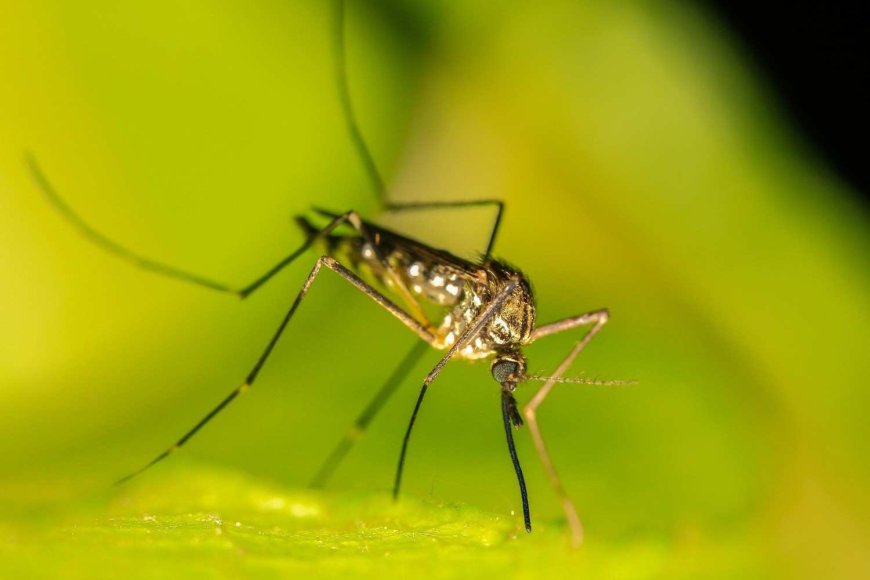
Beyond the virus itself, external factors are also contributing to the growing dengue burden. Rising temperatures and changing rainfall patterns are creating ideal breeding conditions for Aedes mosquitoes, the primary carriers of dengue. At the same time, increasing urbanisation is bringing more people into close contact with these vectors, accelerating transmission rates. The World Health Organization has reported a dramatic increase in dengue cases globally over the past two decades, with outbreaks becoming larger and more frequent.
Despite these challenges, research into dengue vaccines is ongoing. Scientists are exploring new approaches, including next-generation vaccines designed to provide balanced immunity against all four serotypes. Some experimental technologies, such as DNA-based vaccines and virus-like particle platforms, are also being tested for their ability to deliver safer and more targeted immune responses. Several candidates are currently in various stages of clinical development.
Experts emphasise that while vaccines remain a critical goal, they are only one part of the solution. Controlling mosquito populations, improving sanitation, and raising public awareness are equally important in reducing the spread of the disease. Integrated vector management strategies, including the use of Wolbachia-infected mosquitoes and community-based cleanup campaigns, have shown promise in reducing dengue transmission in some regions.
Also Read: Big Diplomacy: Riyadh Summit Brings Regional Powers Together, Urges Calm Amid Iran Crisis
As dengue continues to expand its global footprint, the need for an effective and universally safe vaccine becomes more urgent. However, the scientific complexities surrounding the virus mean that achieving this goal will require sustained research, innovation and careful public health planning. Until a safe and broadly effective vaccine becomes available, the focus must remain on prevention through mosquito control and public education to protect vulnerable populations in endemic areas.