






















Shocking Report: Saudi Crown Prince Pushes Trump to Intensify Iran Strikes Amid Rising Tensions
Saudi Crown Prince Mohammed bin Salman has reportedly urged Donald Trump to continue military action against Iran, viewing the conflict as a historic opportunity to reshape regional power dynamics.

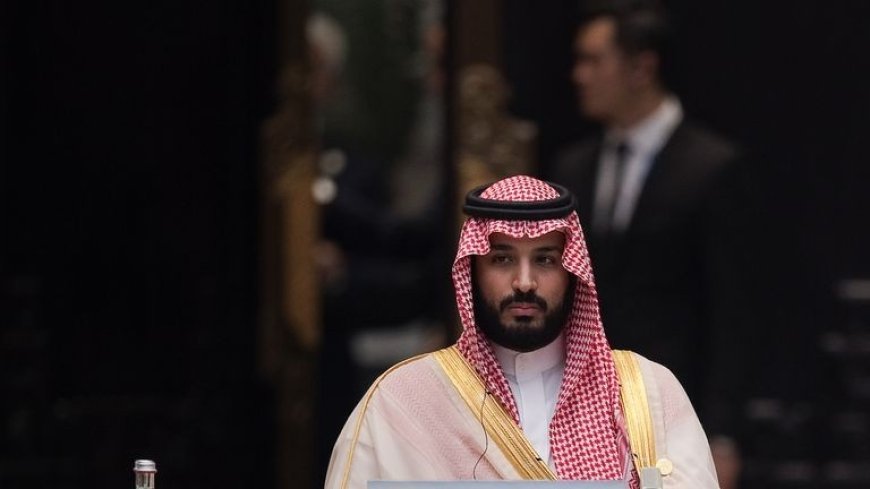
MBS Urges Trump to Continue Iran Strikes, Sees Conflict as Strategic Opportunity, Reports Claim
Amid the ongoing conflict involving Iran, fresh reports suggest that Saudi Arabia’s Crown Prince Mohammed bin Salman (MBS) has been actively encouraging former US President Donald Trump to continue military action, raising questions about Riyadh’s influence on the direction of the war.
According to multiple reports citing US officials, MBS has held several conversations with Trump in recent days, urging him not to scale back the offensive against Iran. Instead, the Saudi leader reportedly views the conflict as a strategic opportunity to reshape the balance of power in the Middle East and weaken Tehran’s long-standing regional influence.
Sources indicate that MBS believes a decisive outcome—potentially including regime change in Iran—could eliminate what Saudi Arabia sees as its biggest geopolitical rival. Iran has long been perceived by Riyadh as a threat, particularly due to its support for proxy groups and its involvement in conflicts across the region. The Crown Prince reportedly sees this moment as a rare window to permanently alter the threat landscape.
The report further claims that the Saudi Crown Prince has even supported the idea of intensifying US military operations, including targeting Iran’s energy infrastructure. Such a move, according to analysts, could significantly weaken Iran’s economy and reduce its ability to sustain military activities. Striking energy facilities would also send a powerful message about the costs of continued Iranian aggression.
At the same time, MBS is said to have framed the war as a “historic opportunity” to fundamentally alter the geopolitical landscape of the Middle East. His stance reflects a broader strategic calculation that the current conflict could redefine regional alliances and power structures for years to come. For Riyadh, a weakened Iran could shift the balance of power decisively in Saudi Arabia’s favor.
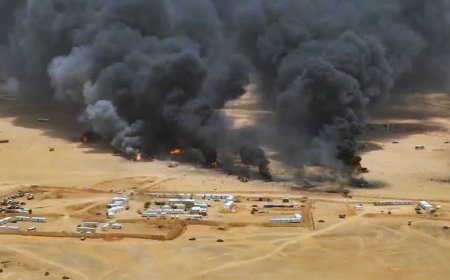
However, this reported position contrasts with Saudi Arabia’s public stance. Officially, Riyadh has maintained that it supports diplomatic solutions and de-escalation, even as it faces direct threats from Iranian missile and drone attacks. In recent weeks, Saudi Arabia has been targeted multiple times, with strikes hitting key infrastructure and raising security concerns within the kingdom. Publicly, Saudi officials have called for restraint while quietly bolstering their defensive capabilities.
The evolving situation highlights the complex role Saudi Arabia is playing in the conflict. While it has not formally entered the war, the kingdom has taken steps that suggest increasing involvement, such as allowing US forces access to strategic bases and strengthening its defensive posture. Saudi air defense systems have been actively intercepting incoming threats, and coordination with US military assets has intensified.
The broader conflict itself has already had significant global repercussions. Fighting between Iran, the US, and Israel has disrupted energy supplies, driven up oil prices, and heightened fears of a wider regional war. The Strait of Hormuz—a crucial oil transit route—remains a major flashpoint, with tensions there posing risks to global energy security. Any further escalation involving Saudi Arabia could have immediate and severe impacts on global oil markets.
Analysts believe that Saudi Arabia’s position is shaped by both immediate security concerns and long-term strategic goals. On one hand, the kingdom is responding to direct attacks and safeguarding its infrastructure. On the other, it appears to be looking at the bigger picture—seeking to curb Iran’s influence and assert itself as a dominant regional power. The Crown Prince’s Vision 2030 economic transformation plan also relies on regional stability, making a decisive resolution to the Iranian threat a priority.
The reports about MBS urging continued military action have also sparked debate over the extent of Saudi influence on US foreign policy. While Washington ultimately makes its own decisions, the close strategic relationship between the two countries means that Saudi perspectives carry significant weight. The US maintains substantial military assets in the Gulf and relies on Saudi cooperation for regional security operations.
Despite the aggressive tone of these reports, uncertainty remains about how the conflict will unfold. There are parallel efforts to explore diplomatic solutions, and any escalation carries the risk of drawing more countries into the war. European allies have called for restraint, and there are ongoing behind-the-scenes negotiations attempting to find a path toward de-escalation.
In conclusion, the reported push by Saudi Arabia’s Crown Prince to keep the Iran conflict going underscores the high stakes involved in the ongoing crisis. It reflects not only the deep rivalry between Riyadh and Tehran but also the broader struggle for influence in a region that remains central to global politics and energy security. As the conflict continues, the role of regional powers like Saudi Arabia will be critical in determining whether the crisis escalates further or moves toward a diplomatic resolution.