























Major Breakthrough: Saudi Arabia Revamps Higher Education with Skills-Focused Vision 2030 Push
Saudi Arabia is transforming its higher education system under Vision 2030, shifting toward skills-driven learning, STEM fields, and global competitiveness to build a future-ready workforce.

Saudi Arabia’s Higher Education Transformation: Vision 2030 Drives Skills-Focused Reforms
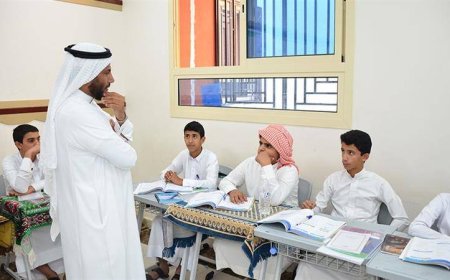
Saudi Arabia is undergoing a sweeping transformation of its higher education system as part of its ambitious Vision 2030 programme, with a strong focus on aligning universities with economic priorities, technological advancement, and global competitiveness. The reforms mark a decisive shift away from traditional academic models toward a more dynamic, skills-driven approach designed to prepare students for the demands of a rapidly changing world.
At the heart of this transformation is the recognition that education is no longer just a social service but a central pillar of national development. Vision 2030 places human capability at the core of its strategy, aiming to create a workforce that can drive innovation, productivity, and long-term economic growth.
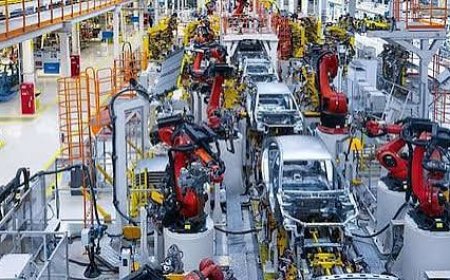
A major focus of the reforms is bridging the gap between university education and labour market needs. Saudi authorities are actively reshaping academic programmes to reflect the requirements of a diversified, knowledge-based economy. Traditional degrees are gradually being replaced or supplemented with specialised fields such as artificial intelligence, cybersecurity, renewable energy, and advanced manufacturing.
This shift is also reflected in changing student enrolment patterns. There has been a noticeable increase in interest in science, technology, engineering, and mathematics (STEM) disciplines, as well as healthcare-related fields. These trends align with the Kingdom’s broader economic goals, which include reducing dependence on oil and building new sectors driven by innovation and research.
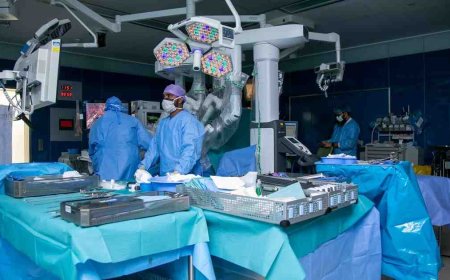
Another key element of the transformation is the integration of advanced technologies into the education system. Universities are increasingly adopting digital learning platforms, artificial intelligence tools, and data-driven teaching methods to enhance both learning outcomes and institutional efficiency. These technologies are not only reshaping how students learn but also how educators design and deliver content, making the system more flexible and responsive.
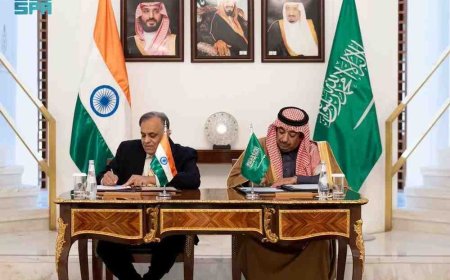
Institutional reform is also playing a crucial role. New governance frameworks are granting universities greater autonomy, enabling them to innovate, form partnerships, and respond more effectively to market demands. This includes increased collaboration with the private sector, as well as efforts to attract foreign investment and international academic partnerships.
Capacity expansion is another major priority. With a growing youth population, Saudi Arabia is expected to significantly increase the number of university seats in the coming years. Estimates suggest that hundreds of thousands of additional places will be needed by 2030 to accommodate rising demand and ensure access to higher education for future generations.
At the same time, the reforms are emphasising quality over quantity. The focus has shifted from simply expanding access to improving learning outcomes, critical thinking, and employability. Policymakers are working to ensure that graduates are not only academically qualified but also equipped with practical skills, creativity, and problem-solving abilities.
Saudi Arabia is also striving to enhance its global academic standing. One of the key targets under Vision 2030 is to place more Saudi universities among the world’s top-ranked institutions. This involves strengthening research output, fostering innovation ecosystems, and encouraging international collaboration. Several Saudi universities have already climbed in global rankings in recent years, reflecting the impact of sustained investment and reform.
Despite the ambitious scope of these reforms, challenges remain. Ensuring consistent quality across institutions, supporting educators through rapid change, and translating policy into effective classroom practice are ongoing concerns. However, the scale and pace of transformation highlight the Kingdom’s determination to build a future-ready education system.
The reforms also include efforts to enhance vocational and technical education, recognising that not all students pursue traditional academic pathways. By expanding options for hands-on, career-oriented training, Saudi Arabia aims to create multiple pathways to meaningful employment and economic participation.
Overall, Saudi Arabia’s higher education overhaul represents a bold reimagining of how learning can drive national progress. By linking education closely with economic strategy and technological advancement, the country is positioning its universities as engines of growth, innovation, and global competitiveness in the decades ahead.
Also Read: Major Security Move: UK Boosts Gulf Defences with Air Defence Systems Amid Iran Crisis
As Vision 2030 enters its next phase, the success of these educational reforms will be critical to achieving the Kingdom’s broader ambitions. With continued investment, strategic partnerships, and a clear focus on outcomes, Saudi Arabia is building an education system capable of preparing its youth for the opportunities and challenges of a rapidly evolving global landscape.