
























Major Security Move: UK Boosts Gulf Defences with Air Defence Systems Amid Iran Crisis
The UK is deploying advanced air defence systems to Bahrain, Kuwait, and Saudi Arabia in response to escalating missile and drone threats from Iran. Prime Minister Keir Starmer confirms the defensive move.

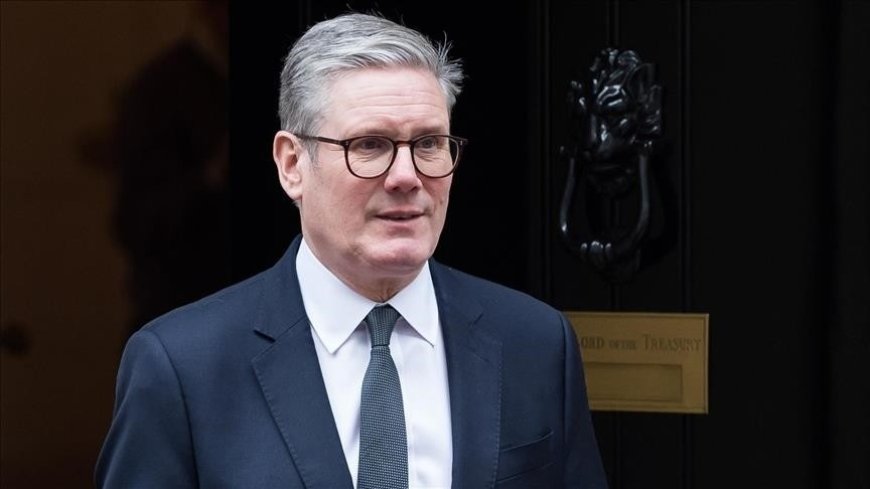
UK to Deploy Air Defence Systems to Gulf Nations Amid Rising Iran Tensions
London: The United Kingdom has announced plans to deploy advanced air defence systems to key Gulf countries, including Bahrain, Kuwait, and Saudi Arabia, in response to escalating security threats in the Middle East. The move comes as regional tensions continue to rise following a series of missile and drone attacks linked to Iran.
Prime Minister Keir Starmer confirmed that Britain is working closely with its defence industry and international partners to strengthen the defensive capabilities of its Gulf allies. The deployment is aimed at protecting critical infrastructure and civilian areas from potential aerial threats, particularly unmanned drones and missile strikes that have increasingly targeted the region.
The decision reflects growing concern among Western nations over Iran’s expanding use of drone and missile technology in the ongoing conflict. Several Gulf countries have faced repeated attacks in recent weeks, prompting urgent calls for enhanced protection systems. In Bahrain, for instance, air defence systems have already been used to intercept incoming threats, highlighting the importance of rapid response capabilities.
British officials emphasized that the deployment is part of a broader defensive strategy rather than an offensive military escalation. Starmer reiterated that the UK does not seek to enter into direct conflict but remains committed to supporting regional stability and safeguarding its allies. The systems being deployed are expected to bolster existing defence networks and improve early warning and interception capabilities.
The UK already maintains a significant military presence in the Middle East, including bases, aircraft, and personnel stationed across multiple countries. British forces have been actively involved in defensive operations, such as intercepting drones and missiles aimed at allied territories.
In recent weeks, UK fighter jets and naval assets have been deployed to counter aerial threats, including Iranian drones targeting strategic locations. These actions underline Britain’s role in ensuring the security of vital shipping routes and energy infrastructure, particularly in the Gulf region, which is crucial for global oil supplies.
The latest move also comes amid criticism from some Gulf allies who have expressed concerns about the pace of Western military support. Reports suggest that regional partners have been urging quicker and more robust action to counter ongoing threats.
In addition to deploying air defence systems, the UK is also increasing coordination with defence manufacturers to supply advanced missile systems and provide technical support. This includes working with companies to ensure rapid delivery and integration of equipment tailored to the needs of Gulf nations.
Experts note that air defence systems play a critical role in modern warfare, particularly in countering drone attacks, which have become a preferred method for asymmetric warfare. These systems are designed to detect, track, and neutralize incoming threats before they can reach their targets, thereby reducing the risk of casualties and infrastructure damage.
The move is expected to further strengthen ties between the UK and Gulf Cooperation Council (GCC) countries, which have long been strategic partners in defence and security matters. Britain’s ongoing military cooperation in the region, including joint exercises and intelligence sharing, has been a cornerstone of its foreign policy.
However, the deployment also highlights the fragile security situation in the Middle East. With tensions between Iran and Western-backed allies showing little sign of easing, analysts warn that the risk of wider conflict remains high. While defensive measures may help mitigate immediate threats, they are unlikely to resolve the underlying geopolitical issues driving the crisis.
For now, the UK’s focus remains on deterrence and protection. By enhancing the air defence capabilities of its allies, Britain aims to reduce vulnerabilities and prevent further escalation, even as diplomatic efforts continue in parallel to seek a long-term solution.
Also Read: Shocking Reality: Why Saudi Arabia Controls Mecca and Medina in the Iran-Israel War
The deployment is expected to be implemented in phases over the coming weeks, with technical teams already on the ground to assess requirements and coordinate integration with existing defence networks. As regional tensions persist, the UK’s commitment to Gulf security underscores the enduring strategic importance of the region to British foreign policy and global energy stability.