Why Saudi Arabia Controls Mecca and Medina — And Why It Matters in Today’s Iran-Israel War
As tensions escalate in the Middle East amid the ongoing Iran–Israel–US conflict, an old and deeply rooted rivalry has once again come into focus — the long-standing dispute between Iran and Saudi Arabia over influence in the Islamic world, particularly the control of Mecca and Medina.
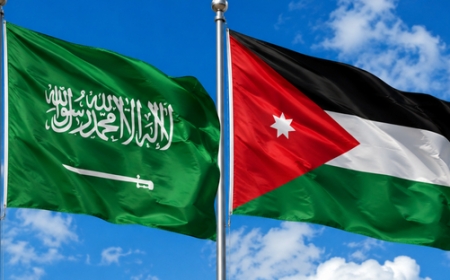
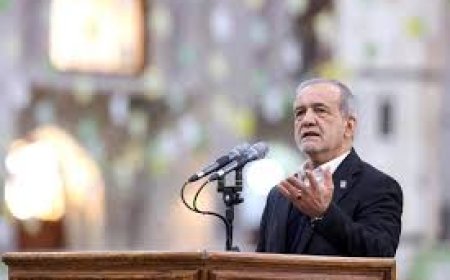
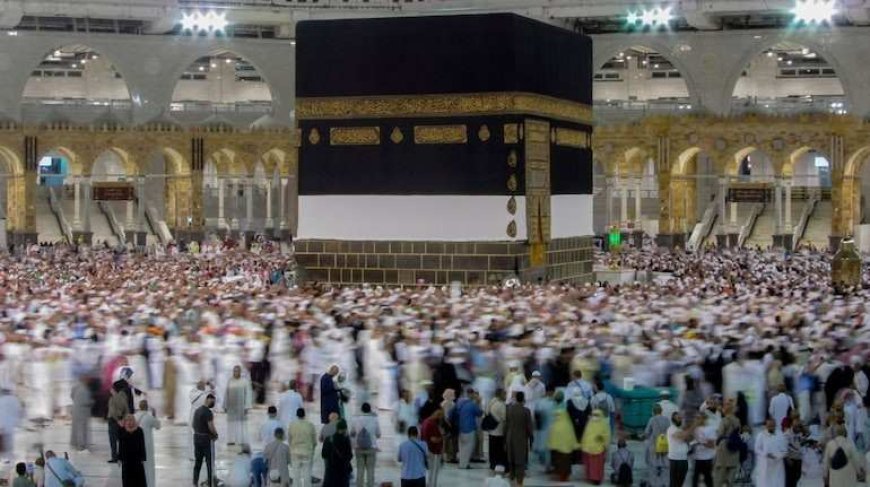
Saudi Arabia, a Sunni-majority kingdom, holds custodianship over Islam’s two holiest cities — Mecca and Medina. This role gives Riyadh not only religious authority but also significant geopolitical influence across the Muslim world. However, this position has often been questioned by Iran, a Shia-majority nation and Saudi Arabia’s regional rival.
The roots of this tension are both historical and religious. The divide between Sunni and Shia Islam dates back to the 7th century, following disagreements over the rightful successor to Prophet Muhammad. Over time, this theological split evolved into political rivalry, with Saudi Arabia positioning itself as a leader of Sunni Islam, while Iran emerged as the centre of Shia power.
The modern dimension of this rivalry intensified after Iran’s Islamic Revolution in 1979, which introduced a more assertive Shia political ideology and challenged Saudi Arabia’s influence in the region. Since then, both nations have competed for dominance across West Asia, often backing opposing sides in regional conflicts.
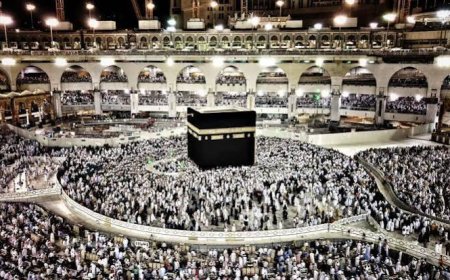
A key point of contention has been Saudi Arabia’s control over Mecca and Medina. These cities, located in the Hejaz region along the Red Sea, are central to Islamic faith and host millions of pilgrims every year during Hajj. However, they were not always under Saudi rule.
For centuries, Mecca and Medina were governed by various Islamic empires, including the Ottomans, and later by the Hashemite rulers. It was only in the 1920s that Abdulaziz Ibn Saud expanded his territory from central Arabia into the Hejaz, capturing the holy cities. This expansion eventually led to the formation of the Kingdom of Saudi Arabia in 1932, unifying different regions under one rule.
Despite this, Iran has repeatedly challenged Saudi Arabia’s legitimacy as the custodian of these sacred sites. Tensions have occasionally escalated during the annual Hajj pilgrimage. One of the most notable incidents occurred in 1987, when clashes between Iranian pilgrims and Saudi security forces in Mecca resulted in over 400 deaths. The tragedy deepened mistrust and continues to shape relations between the two countries.
Iran has also criticised Saudi Arabia over the management of Hajj, particularly after disasters such as the 2015 Mina stampede, which killed thousands of pilgrims. Tehran has used such incidents to question Riyadh’s ability to oversee the holy sites, while Saudi Arabia maintains that the responsibility is a matter of national sovereignty.
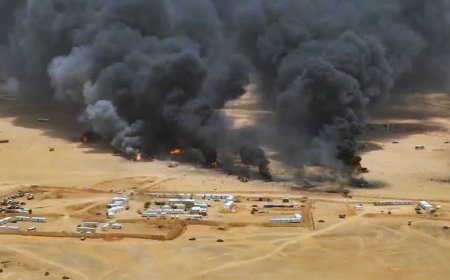
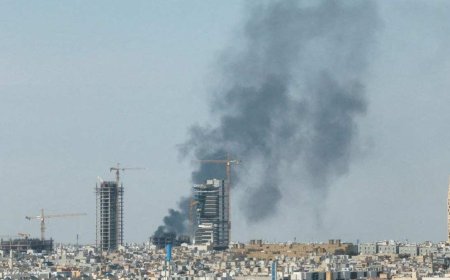
Today, this historical and religious rivalry is intersecting with a rapidly intensifying geopolitical conflict. The ongoing war involving Iran, Israel, and the United States has heightened tensions across the Gulf region, drawing in multiple countries and threatening regional stability. Missile strikes, attacks on energy infrastructure, and rising oil prices have further complicated the situation.
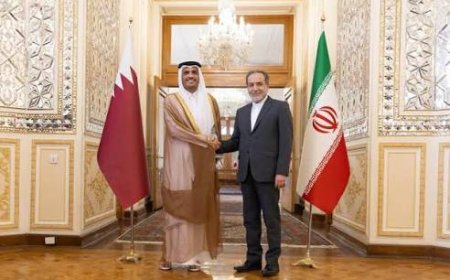
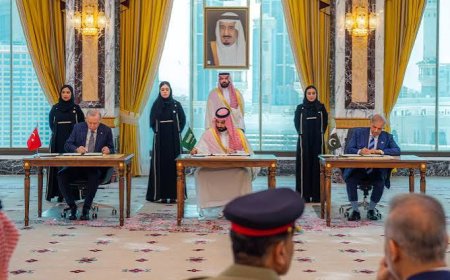
Saudi Arabia has taken a cautious but firm stance, warning Iran against aggression while also engaging in diplomatic efforts to prevent further escalation. At the same time, the kingdom’s role as the guardian of Islam’s holiest sites adds another layer of sensitivity to the conflict, as any instability could have far-reaching consequences for the Muslim world.
Ultimately, the question of who controls Mecca and Medina is not just about geography — it is deeply tied to religious authority, political legitimacy, and regional power. As the Middle East faces one of its most volatile periods in recent years, this centuries-old rivalry between Saudi Arabia and Iran continues to influence events on a global scale.
Also Read: Grim Development: Indian National Dies in Riyadh as MEA Confirms Multiple Fatalities
The current conflict has also prompted renewed discussions about the safety of pilgrims and the security of holy sites, with both Saudi Arabia and Iran keenly aware that any incident involving Mecca or Medina could trigger widespread outrage across the Muslim world. For Saudi Arabia, maintaining stability in the Hejaz region is not just a domestic priority but a matter of international Islamic leadership. For Iran, challenging that leadership remains a powerful tool in its broader geopolitical strategy.