






















Saudi Forces Oust UAE-Backed Fighters from Eastern Yemen, Widening Gulf Rift
Saudi-backed forces have forced the withdrawal of UAE-aligned STC fighters from key areas in eastern Yemen, marking a direct clash between the Gulf allies and reshaping the conflict's dynamics.

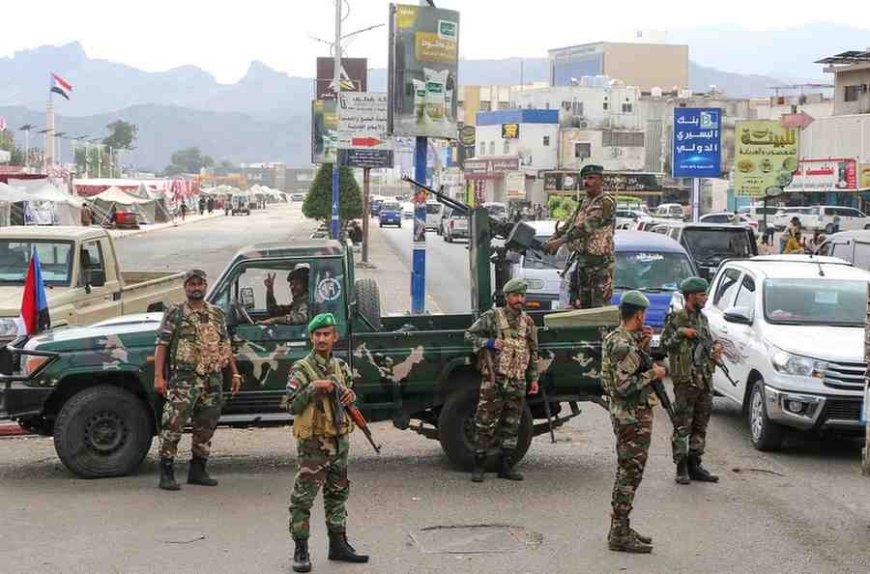
Saudi Arabia Forces UAE-Aligned Fighters Out of Eastern Yemen, Deepening Gulf Rift
In a significant escalation within Yemen’s protracted conflict, Saudi Arabia has forced the withdrawal of United Arab Emirates-backed forces from key eastern regions, marking a rare direct clash between the two Gulf allies and altering the war’s strategic landscape.
Military Advances and Territorial Shifts
Over recent days, Saudi-aligned Nation’s Shield forces, supported by coalition airstrikes, advanced across the eastern governorates of Hadramout and Al-Mahra. They compelled the UAE-backed Southern Transitional Council (STC)—a separatist faction—to relinquish control of strategic positions, including Mukalla, the capital of Hadramout. The STC’s grip on the First Military Region headquarters in Seiyun collapsed after intense clashes, with local tribal fighters also aiding the pushback.
Geopolitical Implications
This development reverses months of STC expansion in eastern Yemen, which had alarmed Riyadh and exacerbated tensions with Abu Dhabi. The STC had previously seized vast areas in southern Yemen as part of its bid for southern autonomy or independence. However, sustained military pressure and targeted airstrikes by the Saudi-led coalition forced the separatists to withdraw.
Strategic Significance of Mukalla
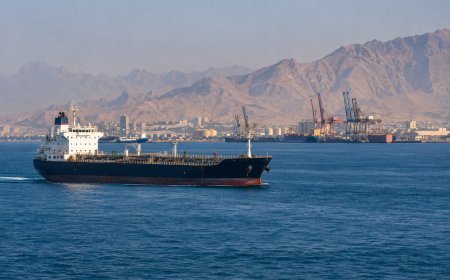
The recapture of Mukalla is a major strategic victory for Saudi Arabia. It restores control of the largest port and administrative hub in eastern Yemen to forces aligned with the internationally recognized government, reinforcing Riyadh’s influence and its commitment to a unified Yemen.
Political Fallout and Dialogue
In response to military setbacks, STC leaders have expressed readiness for political dialogue under Saudi mediation. Analysts view this as a strategic retreat that highlights deepening fractures within the anti-Houthi coalition. Saudi Arabia backs Yemen’s internationally recognized government and opposes southern secession, while the UAE has supported the STC as a counterweight to other factions.
Escalating Saudi-UAE Tensions
Tensions peaked in late December when the Saudi-led coalition conducted airstrikes on Mukalla port, targeting alleged unauthorized arms shipments linked to the UAE. Riyadh issued a stern warning, declaring its national security a “red line” and demanding the withdrawal of all Emirati forces from Yemen within 24 hours. The UAE subsequently announced it would withdraw its remaining counterterrorism teams from the country.
Broader Regional Concerns
This rift between Saudi Arabia and the UAE—two of the Gulf Cooperation Council’s most influential members—raises concerns about the stability of broader Arab coalition efforts. Infighting among anti-Houthi forces could weaken the overall campaign, potentially allowing the Iran-aligned Houthi movement to regroup and expand its influence in northern Yemen.
Impact on Yemeni Civilians
For residents of Hadramout and Al-Mahra, these shifts bring both hope and uncertainty. While many welcome the return of government-aligned forces, others fear that continued conflict and shifting control may prolong instability and hinder efforts toward a lasting political settlement.