





























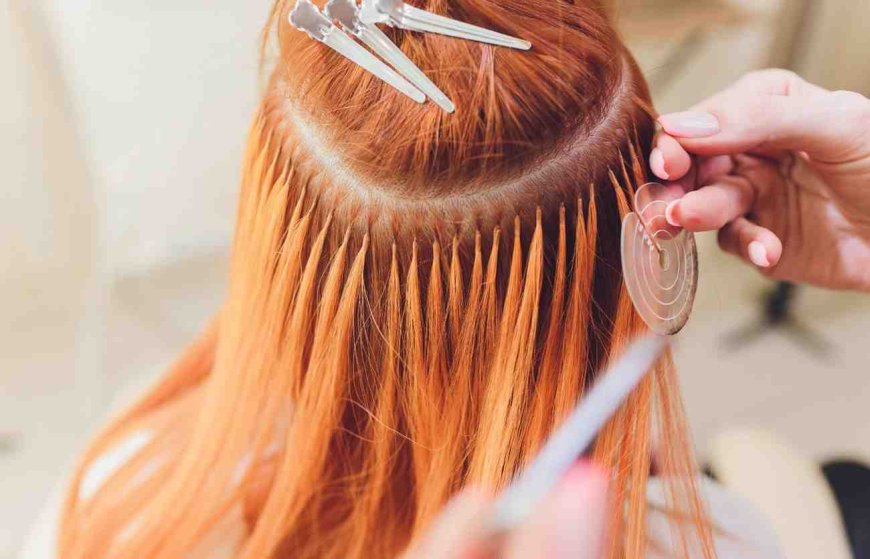
Hair Extensions Health Risks: 169 Chemicals Found Including Phthalates, Flame Retardants, Study Shows
New study reveals hair extensions contain 169 chemicals including phthalates and flame retardants. Dermatologists warn of cumulative exposure risks. What users need to know.

Experts Flag Potential Health Concerns Over Hair Extensions: What You Need to Know
Bengaluru, India — Hair extensions are a hugely popular cosmetic accessory, widely used to instantly add length, volume and style to hair without waiting for natural growth. From clip-ins and tape-ins to permanent wefts, millions of people—particularly young women—rely on them to create glamorous looks. But emerging scientific research and dermatologist guidance are prompting a fresh look at the potential health implications of wearing these products frequently or for long periods.
According to a recent study that analyzed dozens of commercially available hair extension products, many contain a broad array of chemical compounds that may pose health risks if users are repeatedly exposed over time. While there is no definitive proof yet that wearing hair extensions causes fertility problems or cancer directly, dermatologists and researchers say the presence of certain hazardous substances raises legitimate concerns, especially for regular users.
What the Research Found
In one of the most comprehensive chemical analyses of hair extensions publicly reported, scientists examined 44 different products made from both synthetic fibers and natural hair. Using advanced laboratory methods, researchers detected 169 distinct chemicals across the samples.
Among these were:
-
Phthalates — used as plasticizers, linked to endocrine disruption
-
Flame retardants — associated with hormone disruption and cancer pathways
-
Volatile organic compounds (VOCs) including benzene and formaldehyde — known carcinogens
-
Organotin compounds — linked to reproductive and developmental toxicity
Nearly all samples—even some marketed as "non-toxic" —contained at least one hazardous compound. Many of these chemicals appear on international hazard lists and are associated with long-term health outcomes that merit caution according to toxicology reports.
How Exposure Happens
Unlike products applied occasionally, hair extensions often remain in close contact with the scalp for weeks or months. This means users may encounter these chemicals not just through skin contact but also by inhaling fumes released during heat styling or through daily activities like brushing and washing.
Multiple exposure pathways:
-
Dermal absorption: Chemicals can be absorbed through the scalp, which has high permeability
-
Inhalation: Heat styling (curling irons, blow dryers) can vaporize chemical residues
-
Ingestion: Hand-to-mouth contact transfers chemicals from hands
-
Dust particles: Extension fibers shed microscopic particles containing chemicals
Experts point out that small molecules can be absorbed through the skin or breathed in, potentially building up over time. The cumulative effect of daily, prolonged exposure is what concerns health professionals most.
Dr. Sunil Kumar Prabhu, Consultant Dermatologist at Aster RV Hospital in Bengaluru, explains that the main concern is cumulative exposure rather than occasional use.
"When these products remain in prolonged contact with the scalp and neck, and when heat styling is involved, chemical residues can be released. Even though we do not have direct evidence linking these products to cancer or infertility yet, the detection of such chemicals is worrying and warrants precaution."
What Chemicals Are in Question?
Several classes of chemicals identified in the study have been linked through other research to potential long-term health impacts:
Phthalates:
Often used as plasticizers in synthetic extensions, phthalates can act as endocrine disruptors, affecting hormonal balance and reproductive health. They have been associated with reduced fertility, developmental issues, and hormonal cancers in epidemiological studies.
Volatile Organic Compounds (VOCs):
Compounds such as benzene and formaldehyde are known carcinogens with no safe exposure level. VOCs may pose respiratory risks, especially during heat styling when elevated temperatures increase off-gassing. Formaldehyde is also a skin sensitizer that can cause allergic reactions.
Flame Retardants:
Added to meet flammability standards, these chemicals have been associated in some studies with hormone disruption and cancer-related pathways. They persist in the environment and accumulate in human tissues.
Organotin Compounds:
Used as stabilizers in some plastics, organotins have been linked to immune system effects and reproductive toxicity in animal studies.
While these findings do not prove that wearing extensions will cause these conditions, they underscore that repeated exposure to chemical mixtures that have recognized health links deserves scrutiny.
Who Might Be Most at Risk?
Certain groups may face greater cumulative exposure because of how frequently they use extensions:
Regular long-term users:
Women who regularly wear long-term extensions—especially styles that are semi-permanent or affixed close to the scalp—may be exposed more often than those who use temporary clip-ins occasionally.
Salon professionals:
Hair stylists who work with extensions daily face occupational exposure through inhalation and skin contact, potentially at higher levels than individual users.
Cultural communities:
Research shows that in some communities where hair extensions are culturally popular, exposure may be higher simply due to routine use across large populations.
Individuals with scalp conditions:
Those with compromised skin barriers (eczema, psoriasis, recent chemical treatments) may absorb chemicals more readily.
Expert Advice for Consumers
Dermatologists and health experts emphasize that hair extensions themselves aren't inherently unsafe, but smart choices and cautious use can help reduce any theoretical risk:
Choose quality over price:
Opt for high-quality products from reputable manufacturers who disclose their ingredients. Avoid cheap, unbranded extensions from unknown sources.
Ask about chemical treatments:
Inquire with your stylist about any adhesives or processing chemicals used. Avoid products containing formaldehyde or harsh solvents.
Limit continuous use:
Give your scalp breaks between extension applications. Avoid wearing permanent extensions for months without removal.
Ensure ventilation:
Request good ventilation in salons to reduce inhalation of any chemical fumes during application and styling.
Monitor scalp health:
Pay attention to any irritation, itching, or prolonged scalp discomfort. These may be early warning signs of chemical sensitivity or allergic reaction.
Wash before use:
Wash new extensions thoroughly before first use to remove surface residues and manufacturing chemicals.
Avoid high heat:
Minimize heat styling on extensions, as high temperatures can accelerate chemical release.
What Manufacturers Should Do
The study highlights the need for greater transparency and safety in the beauty industry:
Full ingredient disclosure:
Manufacturers should list all chemicals used in processing and production, not just vague marketing claims.
Third-party testing:
Independent verification of product safety should become standard practice.
Cleaner formulations:
Research into safer alternatives for plasticizers, flame retardants, and stabilizers should be prioritized.
Marketing honesty:
Claims of "non-toxic" or "natural" should be backed by verifiable testing data.
A Call for Greater Transparency
Perhaps the biggest lesson from the emerging research is that regulation and transparency in the beauty industry need strengthening. Unlike medicines or food, many cosmetic products such as hair extensions are not tightly regulated for chemical safety in most markets.
Current regulatory gaps include:
-
No mandatory pre-market safety testing
-
Limited ingredient disclosure requirements
-
Inconsistent enforcement across jurisdictions
-
Lack of long-term exposure studies
-
No labeling standards for chemical content
Without full ingredient disclosure, consumers are often unaware of what they are exposing their bodies to over time. The study's finding that even products marketed as "non-toxic" contained hazardous chemicals underscores the inadequacy of current marketing claims.
The Bottom Line
Hair extensions are not going away—they remain a beloved beauty tool for millions. But as with many cosmetic products, the key is informed use and moderation.
The presence of concerning chemicals in extension products doesn't mean every user will experience health problems. It does mean that:
-
Regulatory attention is needed
-
Manufacturer responsibility must increase
-
Consumer awareness should guide purchasing decisions
-
Precautionary principle suggests limiting unnecessary exposure
As the beauty accessories market continues to expand, public health advocates urge manufacturers and regulators to work together to ensure product safety. For now, experts say informed choices and moderation remain the best strategies for those who enjoy the benefits of hair extensions without unknowingly compromising long-term health.
Conclusion: Beauty With Awareness
The desire for beautiful, voluminous hair is understandable. The industry that fulfills that desire has grown into a multi-billion dollar global enterprise. But with that growth comes responsibility—for manufacturers to produce safer products, for regulators to establish meaningful standards, and for consumers to make informed choices.
The research on hair extension chemicals is not cause for panic. It is cause for attention, awareness, and precaution.
Ask questions before you buy. Choose quality over price. Give your scalp breaks between extensions. And if something feels off—irritation, discomfort, concern—listen to your body and consult a professional.