






















Rising Influence: Saudi Arabia Strengthens Grip by Linking Eastern Yemen to Power Network
Saudi Arabia links Al-Mahra, Shabwa, and Hadramout to its national electricity grid, enhancing economic ties and strategic influence in eastern Yemen.

Saudi Arabia Connects Eastern Yemen to Its National Grid, Boosting Influence
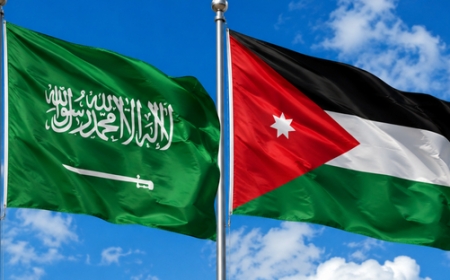
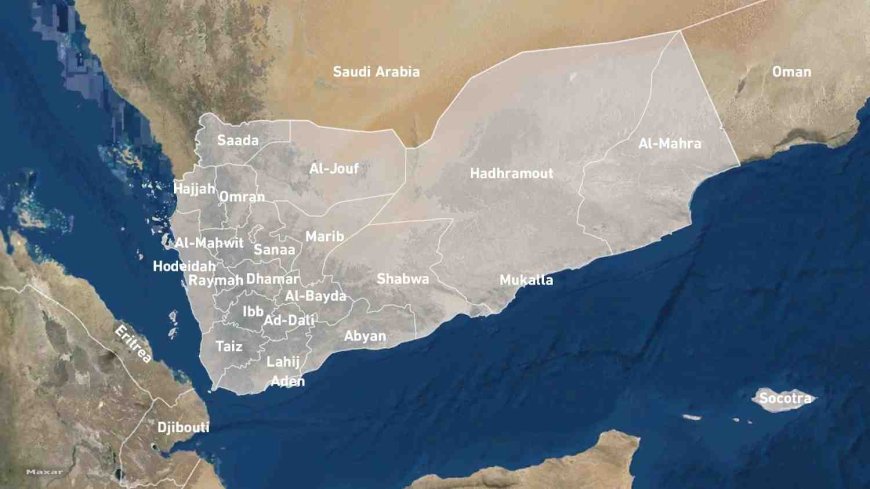
Saudi Arabia has moved to connect three key regions in eastern Yemen to its national electricity grid, a step that is being seen as both an economic initiative and a strategic expansion of influence in the war-torn country. Energy meets geopolitics in eastern Yemen.
According to officials from Yemen’s internationally recognised government based in Aden, the Saudi-backed plan involves linking the governorates of Al-Mahra, Shabwa, and Hadramout to Saudi Arabia’s unified power network. These areas are among Yemen’s most resource-rich regions, particularly known for oil and gas production, and hold significant strategic importance due to their location along the Arabian Sea. Resource-rich regions gain grid connection.
The move is expected to provide more stable electricity to these regions, which have long struggled with unreliable power supply due to years of conflict, damaged infrastructure, and limited local generation capacity. However, analysts note that the decision raises broader questions about long-term dependency and sovereignty, especially as these areas could potentially develop their own energy resources. Stable electricity, but questions of dependency remain.
Saudi Arabia has maintained a strong presence in eastern Yemen since 2017, particularly in Al-Mahra, where it has overseen key infrastructure such as ports and border crossings. The latest grid connection appears to deepen Riyadh’s involvement in the region, extending its influence from security and logistics into the energy sector. From security to energy: Saudi influence deepens.
The development also comes amid reports that Saudi Arabia is considering reviving plans for an oil pipeline through eastern Yemen. Such a project would allow the kingdom to export oil via the Arabian Sea, bypassing the Strait of Hormuz—a critical but often volatile global shipping route. This adds a strategic dimension to the electricity project, linking energy infrastructure with broader geopolitical goals. Strategic bypass of Strait of Hormuz.
Observers have compared the move to earlier infrastructure initiatives by the United Arab Emirates in southern Yemen, particularly in areas like Socotra and Shabwa. Those projects were also viewed by critics as attempts to establish long-term influence in key regions before scaling back military involvement. Similar to UAE’s earlier infrastructure moves.
Yemen remains deeply fragmented politically, with power divided among the Aden-based government, various local factions, and other regional actors. In such a complex environment, large-scale infrastructure projects like cross-border electricity links could significantly alter the balance of influence on the ground. Altering the balance of influence in fragmented Yemen.
While the Saudi-backed government has welcomed the project as a way to ease chronic electricity shortages and support development, some experts caution that relying on external power sources may not be a sustainable long-term solution. They argue that investing in local energy production—particularly gas-fired power plants—could provide a more durable path to energy security. Short-term relief vs. long-term sustainability.
Overall, the grid connection initiative highlights Saudi Arabia’s expanding role in shaping eastern Yemen’s infrastructure and economy. While it promises immediate relief for power shortages, it also underscores the complex interplay between development, dependency, and geopolitical strategy in one of the Middle East’s most fragile regions. A complex interplay of development, dependency, and geopolitics. Saudi Arabia lights up eastern Yemen. Energy as a tool of influence. A new chapter in Yemen’s fragile recovery.