






















Strategic Boost: Saudi Arabia’s $3 Billion Aid Helps Pakistan Clear UAE Debt
Pakistan repaid $3.45 billion to the UAE after receiving $3 billion from Saudi Arabia, easing pressure on foreign reserves and demonstrating financial coordination.

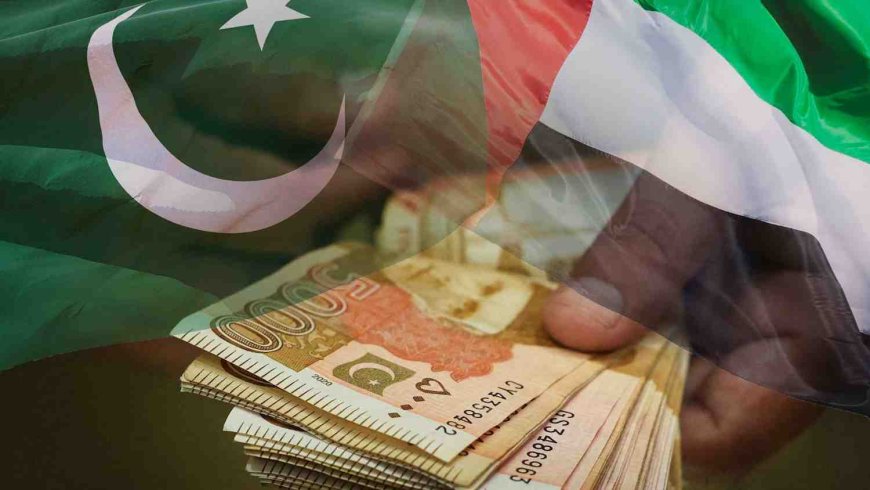
Pakistan Repays $3.45 Billion to UAE After Saudi Arabia’s $3 Billion Support
Pakistan has repaid a significant financial obligation of $3.45 billion to the United Arab Emirates, following crucial financial assistance from Saudi Arabia worth $3 billion. The development highlights ongoing financial coordination among key regional allies as Pakistan navigates economic challenges and works to stabilize its external finances. A coordinated financial move.
According to reports, the repayment was made possible after Saudi Arabia extended timely support to Pakistan, helping ease pressure on its foreign exchange reserves. The funds from Saudi Arabia were part of broader financial assistance aimed at strengthening Pakistan’s liquidity position and ensuring it meets its international obligations without defaulting. Timely Saudi support enabled repayment.
The repayment to the UAE was related to earlier deposits and financial arrangements that had helped Pakistan manage its balance of payments situation. Over the past few years, countries like Saudi Arabia and the UAE have played a crucial role in supporting Pakistan through loans, deposits, and deferred payment agreements, particularly during periods of economic stress. Gulf allies: key financial partners.
Officials familiar with the matter indicated that the transaction reflects Pakistan’s commitment to honoring its financial obligations while maintaining strong diplomatic and economic ties with its partners in the Gulf region. The repayment also signals improved coordination between Islamabad and its allies as the country continues to rely on external support to manage fiscal pressures. Honoring obligations, strengthening ties.
Pakistan has been facing a challenging economic environment marked by high inflation, a weakening currency, and declining foreign reserves. To address these issues, the government has pursued a mix of policy reforms, external financing, and support from friendly nations. The recent assistance from Saudi Arabia is part of these efforts to shore up reserves and maintain financial stability. Navigating economic challenges.
Economic experts note that such financial arrangements are often cyclical in nature, where short-term deposits from partner countries are used to support reserves and later repaid when alternative funding becomes available. In this case, Saudi Arabia’s financial injection appears to have provided the necessary cushion for Pakistan to return funds to the UAE without further straining its reserves. Cyclical financial arrangements.
The move is also seen as a positive signal to international financial institutions, including the International Monetary Fund, which has been closely monitoring Pakistan’s economic situation. Demonstrating the ability to meet repayment obligations can help build confidence among lenders and investors, potentially improving Pakistan’s prospects for securing future funding. Positive signal to IMF and investors.
At the same time, analysts caution that while such repayments are important, they do not resolve the underlying structural challenges facing Pakistan’s economy. Sustained reforms, fiscal discipline, and long-term investment will be critical to achieving lasting stability and reducing dependence on external support. Structural reforms still needed.
For the UAE, the repayment reinforces its role as a key financial partner in the region, while Saudi Arabia’s assistance underscores its continued strategic support for Pakistan. The trilateral dynamic reflects a broader pattern of economic cooperation among these countries, particularly in times of financial strain. UAE and Saudi Arabia: strategic partners.
As Pakistan continues its efforts to stabilize its economy, developments like this highlight both the importance of regional partnerships and the ongoing need for comprehensive economic reforms to ensure sustainable growth in the long run. Regional partnerships and reforms key to stability. Pakistan meets its obligations. Gulf allies stand by Pakistan. Economic coordination in action. The path to stability continues.