



















Strategic Blow: Pakistan Cancels $1.5 Billion Arms Deal with Sudan Amid Saudi Exit
Pakistan suspends a $1.5 billion arms deal with Sudan after Saudi Arabia withdrew financial backing and urged Islamabad to terminate the agreement.

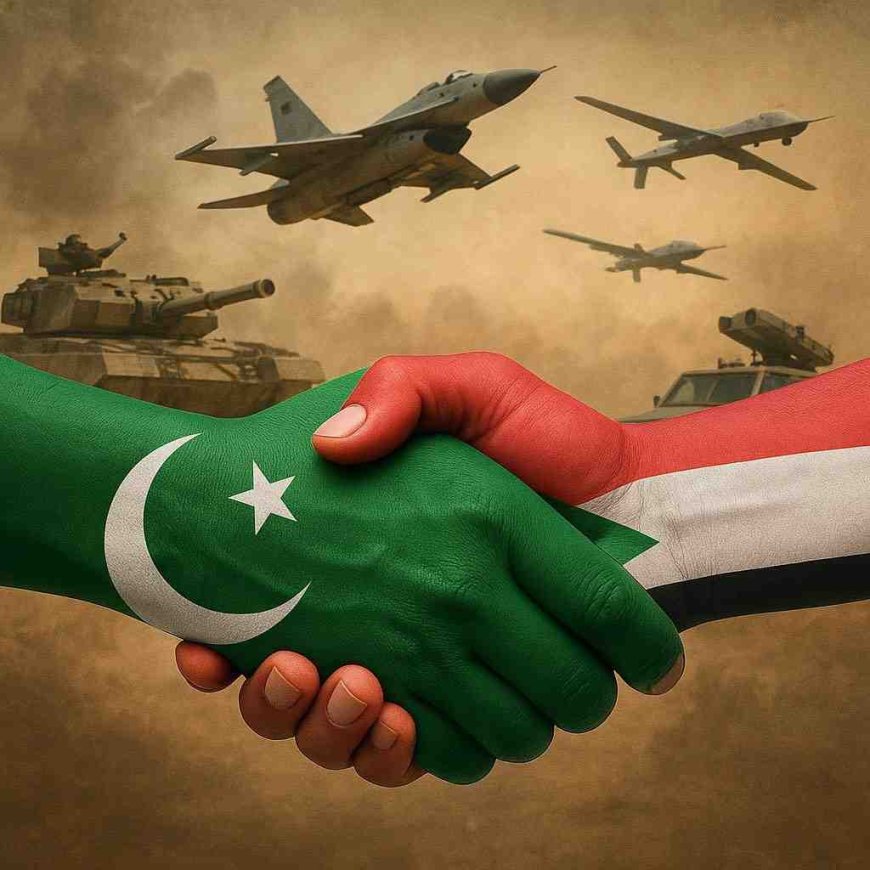
Pakistan Halts $1.5 Billion Sudan Arms Deal After Saudi Arabia Withdraws Support
Pakistan has put a major $1.5 billion arms deal with Sudan on hold following strong objections from Saudi Arabia, marking a significant shift in regional defence dynamics and highlighting the growing influence of Gulf nations over international military agreements. The decision underscores Riyadh's pivotal role.
According to sources familiar with the development, the deal—initially aimed at supplying weapons and military aircraft to Sudan—has been suspended after Saudi Arabia urged Islamabad to terminate the agreement and withdrew its financial backing. The transaction had reportedly been brokered with Saudi involvement earlier this year, making Riyadh’s reversal a decisive factor in halting the arrangement. Saudi withdrawal, deal suspended.
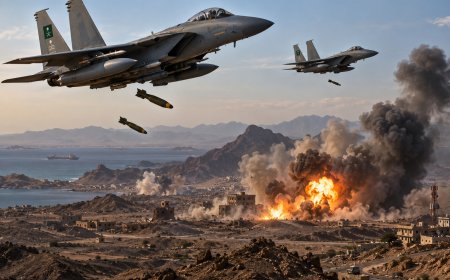
The proposed agreement was part of Pakistan’s broader push to expand its defence exports, particularly after its military equipment gained visibility in recent regional conflicts. The package was expected to include fighter jets, drones, and other advanced military systems intended to strengthen Sudan’s armed forces amid its ongoing internal conflict. A major defence push halted.
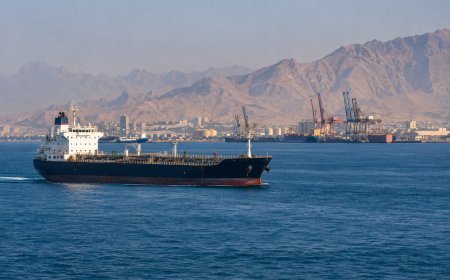
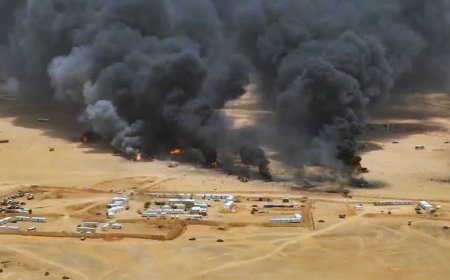
Sudan has been engulfed in a prolonged civil war between the national army and the paramilitary Rapid Support Forces (RSF), a conflict that has triggered what is widely regarded as one of the world’s worst humanitarian crises. The fighting has not only devastated the country but also drawn in competing foreign interests, turning Sudan into a geopolitical flashpoint in the Red Sea region. A nation torn apart.
Saudi Arabia’s decision to step back from the deal appears to be driven by a reassessment of its regional strategy. Reports suggest that Western nations have encouraged Riyadh to avoid involvement in proxy conflicts, particularly in Africa, where external interventions risk further destabilizing already fragile states. Additionally, a high-level meeting between Saudi officials and Sudanese military leaders in March is believed to have influenced the decision to withdraw funding. Strategic reassessment.
The development underscores the close ties between Pakistan and Saudi Arabia. Riyadh has long been one of Islamabad’s most important allies, providing financial assistance and economic support during periods of crisis. The two countries have also strengthened their military cooperation in recent years, including a mutual defence agreement that treats aggression against one as an attack on both. A strong alliance, but with limits.
Saudi Arabia’s withdrawal has effectively stalled the deal, as financing was a crucial component of the agreement. Without Riyadh’s backing, Pakistan faces significant challenges in moving forward with such a large-scale defence transaction. Financing was key; now it's gone.
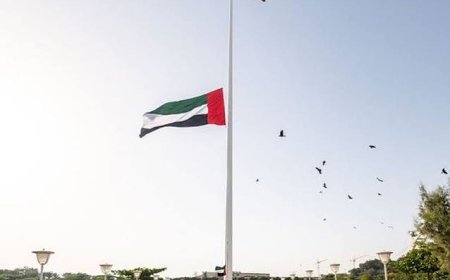
The situation also reflects the complex geopolitical landscape surrounding the Sudan conflict. While Saudi Arabia is believed to support Sudan’s national army, the United Arab Emirates has been accused of backing rival forces, although it denies such claims. These competing alignments have added another layer of complexity to the conflict, making any external military involvement highly sensitive. A proxy war dynamic.
For Pakistan, the suspension represents a setback in its efforts to position itself as a major player in the global arms market. In recent months, Islamabad has pursued multiple defence deals with countries across Africa and Asia as part of a strategy to boost revenue and strengthen its military-industrial base. The halted Sudan agreement was seen as a key component of this strategy. A blow to Pakistan's arms export ambitions.
The impact of Saudi Arabia’s decision may extend beyond Sudan. Reports indicate that another potential multibillion-dollar arms deal involving Libya is also under review, suggesting that Riyadh is re-evaluating its broader involvement in regional conflicts and defence partnerships. Libya deal may also be affected.
Ultimately, the pause in the Pakistan-Sudan arms deal highlights how geopolitical considerations and financial backing are deeply intertwined in modern defence agreements. It also illustrates the extent to which powerful regional players like Saudi Arabia can shape the trajectory of such deals. Geopolitics and finance, deeply intertwined.
As the situation continues to evolve, the future of the agreement remains uncertain. What is clear, however, is that shifting alliances, humanitarian concerns, and strategic calculations will continue to influence decisions in an increasingly complex global security environment. The future is uncertain. The deal is on hold. Regional dynamics are shifting.