




















Big Diplomacy: Riyadh Summit Brings Regional Powers Together, Urges Calm Amid Iran Crisis
Over a dozen Arab and Muslim nations convened in Riyadh to coordinate a response to the escalating Iran-US-Israel conflict. The summit emphasized de-escalation, energy security, and national sovereignty.

Riyadh Summit Brings Arab and Muslim Nations Together as Iran Conflict Escalates, Urges De-Escalation
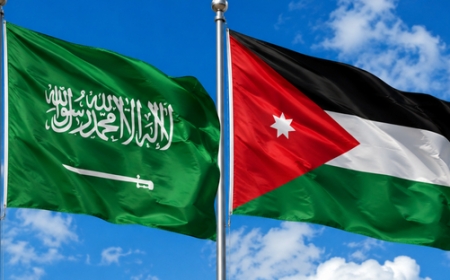
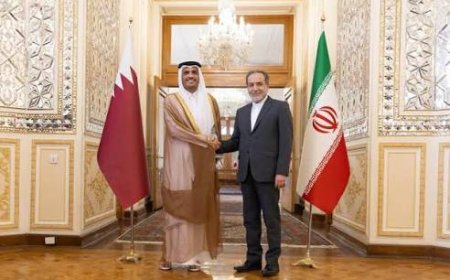
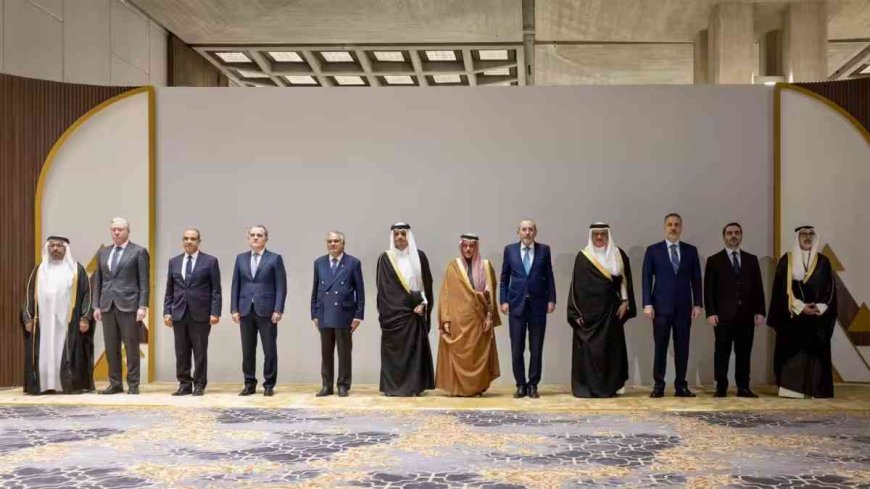
Amid the rapidly escalating conflict involving Iran, the United States, and Israel, a high-level diplomatic meeting held in Riyadh has emerged as a crucial effort by regional powers to coordinate their response and prevent further destabilisation across the Middle East. The gathering brought together foreign ministers from more than a dozen Arab and Muslim countries, reflecting the urgency of the situation and the growing impact of the war on the wider region. The meeting, hosted by Saudi Arabia, saw participation from key nations including the UAE, Qatar, Türkiye, Egypt, Pakistan, Jordan, Kuwait, Bahrain, Lebanon, Syria, and Azerbaijan. Many of these countries have either been directly affected by the conflict through missile and drone strikes or are facing indirect consequences such as threats to energy infrastructure, trade disruptions, and rising security concerns.
At the heart of the discussions was a shared concern over Iran’s recent actions, particularly its retaliatory strikes targeting Gulf nations and critical facilities. Several ministers expressed strong condemnation of these attacks, emphasising that they violate national sovereignty and pose a serious threat to regional stability. However, despite the criticism, the group stopped short of completely severing diplomatic ties with Tehran, indicating a cautious and balanced approach that prioritises dialogue while firmly opposing aggression.
A key outcome of the Riyadh talks was a unified call for de-escalation. The ministers collectively urged all sides to exercise restraint and prioritise diplomatic solutions over continued military confrontation. They stressed that prolonging the conflict would only deepen instability, disrupt global energy markets, and increase humanitarian risks across the region. The joint statement issued after the meeting reflected a rare consensus among nations that often hold divergent views on regional matters, underscoring the gravity of the current crisis.
Another major point of agreement was the right of countries to defend themselves against external threats. The joint stance underscored that while diplomacy remains the preferred path, nations reserve the right to respond to aggression to protect their sovereignty and citizens. This reflects the delicate balance regional powers are trying to maintain, advocating peace while preparing for potential escalation should diplomatic efforts fail to yield results. The language carefully avoided endorsing any particular military response but made clear that continued attacks would not go unanswered.
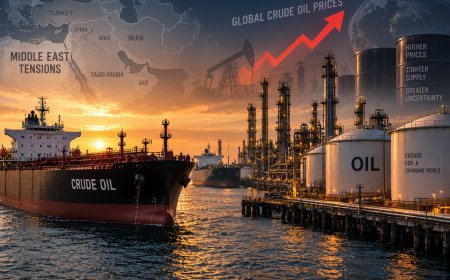
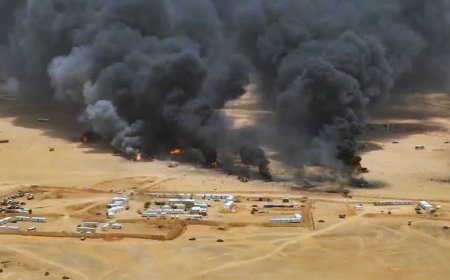
Energy security also featured prominently in the discussions. With key oil and gas facilities in countries like Saudi Arabia, the UAE, and Qatar coming under threat, ministers highlighted the importance of safeguarding critical infrastructure and ensuring the uninterrupted flow of global energy supplies. The ongoing conflict has already caused volatility in oil prices and raised fears of wider economic repercussions that could affect nations far beyond the Middle East. The ministers emphasised that any further disruption to energy exports would have severe consequences for global markets and called for international cooperation in protecting these vital assets.
In addition, the ministers called on Iran to immediately halt its attacks and comply with international obligations, including respecting maritime security and avoiding disruptions in crucial shipping routes such as the Strait of Hormuz. These waterways are vital for global trade, and any instability could have far-reaching consequences beyond the region. The collective stance sent a clear message that the international community views such disruptions as unacceptable and expects all parties to uphold their responsibilities under international law.
The Riyadh meeting also signalled a broader effort by Arab and Muslim nations to present a united front during a time of crisis. While differences remain among these countries on various geopolitical issues, the shared threat posed by the ongoing conflict has pushed them towards greater coordination and dialogue. The summit demonstrated that despite historical rivalries and political divisions, regional powers are capable of setting aside differences when confronted with a common challenge that threatens their collective security and economic well-being.
Overall, the discussions in Riyadh highlight a region at a crossroads, caught between rising military tensions and the urgent need for diplomatic intervention. By advocating de-escalation, reinforcing the principles of sovereignty, and focusing on energy and security concerns, the participating nations have attempted to chart a collective path forward. As the conflict continues to unfold, the outcomes of this meeting may play a significant role in shaping the region’s response, determining whether the crisis moves toward further escalation or a fragile but necessary path to stability. The coming weeks will test whether the unity displayed in Riyadh translates into coordinated action or whether the pressures of the conflict pull the region further into uncertainty.