Saudi Arabia Warns of Military Action After Iran Strikes Riyadh, Raising Fears of Wider War
Tensions in the Middle East have sharply escalated after Iran launched missile strikes targeting Saudi Arabia’s capital, Riyadh, prompting the kingdom to warn of possible military retaliation and raising concerns about a broader regional conflict. The attack on Riyadh marks a significant turning point in the ongoing war, as the conflict initially centred around Iran, Israel, and the United States now appears to be spreading deeper into the Gulf. Saudi Arabia, which had so far exercised restraint, has indicated it may now consider direct military involvement if such attacks continue.
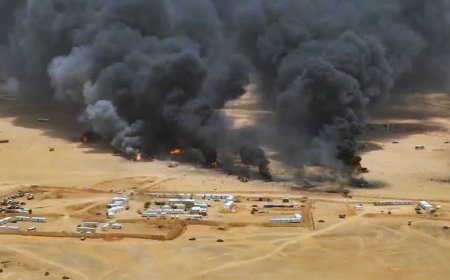
Saudi officials have strongly condemned the strikes, describing them as a direct threat to national security and regional stability. The warning signals a shift in Riyadh’s stance, with authorities suggesting that continued Iranian aggression could force the kingdom to respond militarily. The missile attacks are part of a broader escalation in the region, where Iran has been targeting key infrastructure and strategic sites across Gulf countries in retaliation for earlier strikes on its own territory. The conflict has already disrupted oil and gas facilities in several countries, increasing fears of economic fallout and energy insecurity worldwide.
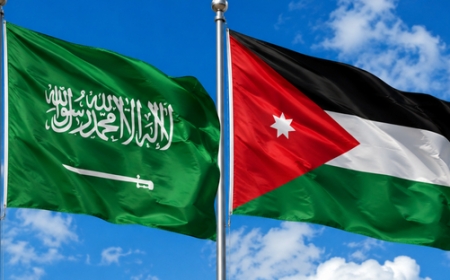
Experts say the latest developments could push the war into a more dangerous phase. Riyadh, long considered relatively secure from direct Iranian attacks, is now directly in the line of fire. This has heightened the urgency for Saudi Arabia to reassess its position and consider stronger defensive or offensive measures. One of the most concerning aspects of the situation is the possibility of other countries being drawn into the conflict. Pakistan, in particular, could find itself under pressure due to its strategic defence agreement with Saudi Arabia. Signed in 2025, the pact commits both nations to support each other in case of external aggression, raising the possibility that Islamabad could be pulled into the war if Saudi Arabia formally enters the conflict.
While Pakistani leaders have expressed support for Saudi Arabia, analysts suggest the country is attempting to avoid direct involvement. However, as tensions rise and the situation becomes more volatile, maintaining neutrality could become increasingly difficult. The potential involvement of Pakistan also introduces a more complex dimension to the conflict, given its military capabilities and nuclear status. This raises concerns among global observers about the risk of the war expanding beyond conventional boundaries and escalating into a much larger geopolitical crisis.
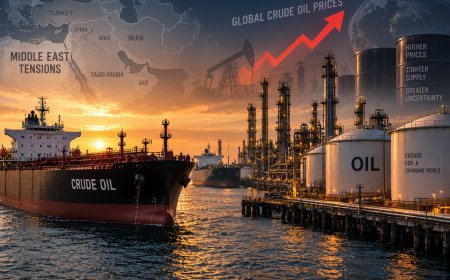
Meanwhile, regional and international reactions have been swift. Several Arab and Muslim nations have condemned Iran’s actions, calling for an immediate halt to attacks and emphasising the right of affected countries to defend themselves. The broader conflict has already caused significant damage across the region, including attacks on energy infrastructure and disruptions to key shipping routes. Oil prices have surged, and global markets remain on edge as fears grow over prolonged instability.
Also Read: Major Escalation: Iran Expands Strikes to Saudi SAMREF Refinery, West Asia Conflict Intensifies
Despite diplomatic efforts, the situation shows little sign of de-escalation. Iran has warned it will continue its response if provoked, while the United States and its allies have signalled continued military pressure. With Saudi Arabia now directly targeted and considering military action, the conflict risks expanding into a wider regional war involving multiple countries. Analysts warn that such a scenario could lead to greater casualties, economic disruption, and long-term instability across the Middle East. The coming days will be critical in determining whether diplomatic channels can prevail or if the region is headed toward an even more devastating confrontation.