





























Saudi-Bangladesh Flight Deal Raises Weekly Flights to 84
A new Saudi-Bangladesh aviation agreement raises weekly flights from 49 to 84 and opens Chittagong and Sylhet airports to Saudi carriers.

Bangladesh, Saudi Arabia Strike Deal to Expand Flight Capacity and Airport Access
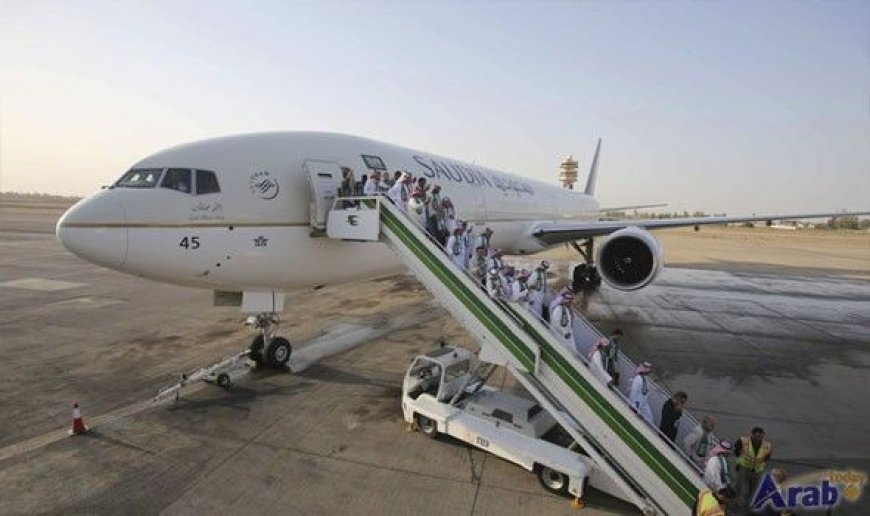
Bangladesh and Saudi Arabia have signed a new civil aviation agreement that will nearly double the number of weekly passenger flights permitted between the two countries and, for the first time, allow Saudi carriers to operate directly from two Bangladeshi regional airports beyond Dhaka.
The Civil Aviation Authority of Bangladesh announced the deal, which raises the approved number of weekly flights from 49 to 84. Officials described the increase as a direct response to years of growing passenger demand that existing flight allocations had struggled to keep pace with, particularly during the annual Hajj and Umrah travel seasons.
Easing Pressure on Pilgrim Travel
Bangladesh's civil aviation chief told reporters in Dhaka that pilgrims traveling for Hajj and Umrah stand to be among the biggest beneficiaries of the expanded capacity, with the additional flights expected to help absorb passenger surges that have historically strained existing routes to Riyadh, Dammam, Madinah and Jeddah. Roughly 78,000 Bangladeshis performed Hajj this year alone, and demand for direct routes has continued climbing as more travelers look to avoid indirect connections through third countries.
That last point carries particular weight: aviation officials estimate that around 1.1 million Bangladeshi passengers currently reach Saudi Arabia via indirect routings, adding time and cost to journeys that direct connectivity could otherwise streamline substantially.
Chittagong and Sylhet Join the Network
Perhaps the most consequential element of the agreement is the opening of Chittagong and Sylhet airports to Saudi-designated carriers, regions that are home to large numbers of Bangladeshi migrant workers and their families. Until now, only Bangladesh's state carrier, Biman Bangladesh Airlines, has operated flights connecting those cities directly to Saudi Arabia. Allowing Saudi airlines to serve the same routes is expected to boost competition, potentially lowering fares while giving travelers outside the capital more direct options.
With an estimated four to five million Bangladeshi expatriates currently living and working in Saudi Arabia, the practical impact of the expanded network could be significant, easing travel for family visits, contract renewals and seasonal returns that currently often require connecting through Dhaka or a third country entirely.
Cargo and Fifth Freedom Rights
The agreement extends beyond passenger travel. Under newly granted fifth-freedom traffic rights, Bangladeshi carriers will be permitted to fly cargo onward from Saudi Arabia to European destinations including Zaragoza in Spain and Frankfurt in Germany, while Saudi Arabia has secured reciprocal cargo rights to two Chinese destinations. Officials in Dhaka framed the cargo provisions as a meaningful boost for the country's export-driven garment industry, along with agricultural exporters shipping perishable goods such as vegetables and fruit, both of which depend heavily on fast, reliable air freight connections to reach international markets.
The deal also includes co-terminalization rights, allowing airlines to serve multiple cities within the same country on a single flight routing, along with provisions supporting aircraft leasing arrangements that should give carriers more flexibility to scale capacity quickly during peak travel periods such as the Hajj season.
Capacity Constraints Remain a Question Mark
Despite the expanded entitlement, industry figures have cautioned that translating the new allowances into actual flights will depend heavily on fleet capacity. A senior Biman Bangladesh Airlines operations official noted that the carrier had been unable to fully utilize its previous allocation of 49 weekly flights, operating only 28 of them, with the remainder handled by a private domestic carrier. Whether Bangladeshi airlines can scale up quickly enough to make full use of the new 84-flight ceiling remains an open question, even as Saudi carriers, including the newly launched national airline Riyadh Air, appear well positioned to expand their own presence across Dhaka, Chittagong and Sylhet in the coming months.
A Broader Aviation Push
The agreement fits into a wider pattern of Gulf carriers expanding their South Asian networks as demand for both religious and labor-related travel continues to grow. For Bangladesh, the deal offers a chance to modernize regional airport usage and diversify beyond Dhaka's often-congested hub. For Saudi Arabia, it reinforces an aviation strategy aimed at positioning the Kingdom as a global connectivity hub under its broader Vision 2030 economic diversification plan. Regulatory approvals and operational rollout are expected to unfold over the coming months, with new routes likely to begin appearing on carrier schedules later this year.
Next Article