























ADNOC Vessel Damaged in Attack in UAE Waters | Latest Update
An ADNOC Logistics & Services vessel was damaged in an attack in UAE waters on 10 November. See what is confirmed and what to watch next.

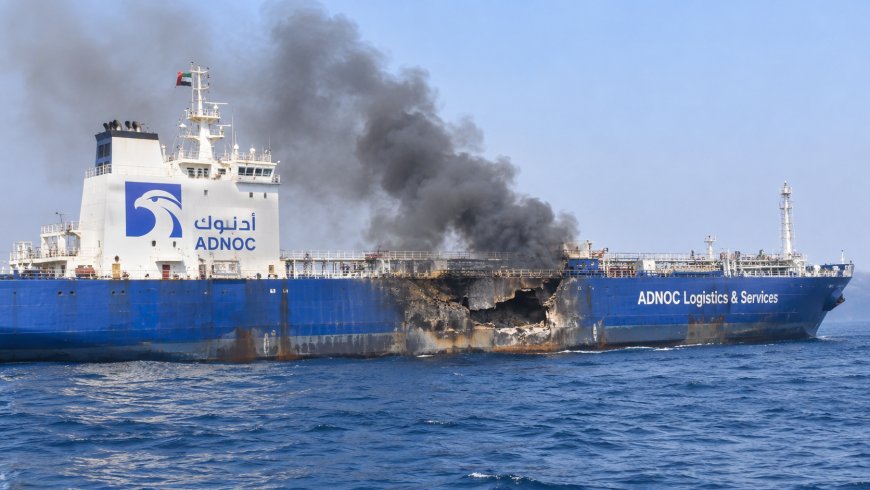
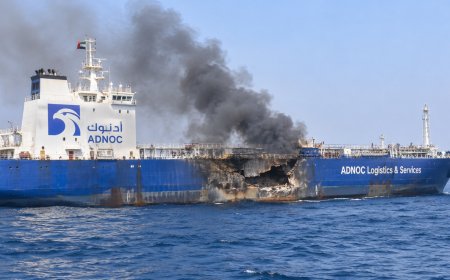
A vessel operated by ADNOC Logistics & Services was damaged in an attack inside the UAE's territorial waters on Tuesday afternoon, adding to a string of strikes on commercial shipping that has unsettled the Arabian Gulf for much of this year.
The company confirmed the incident through the Emirates News Agency (WAM), saying response teams were already at work and that more information would follow as it became available. Reports citing the statement said the ship remained safe and operational, with its systems under control, while an assessment of the damage was under way. The UAE later condemned the attack.
What is known so far
Detail remains thin. ADNOC Logistics & Services has not named the vessel, described how badly it was hit, or said who carried out the attack. No injuries have been reported in connection with the ship. Because no official attribution has been given, none of the outlets covering the incident has been able to say where the projectile came from, and responsible reporting means leaving that question open until the authorities speak.
What the statement does establish is the location. The vessel was struck in UAE territorial waters, not out in the wider approaches to the Strait of Hormuz where many earlier incidents were logged. For a country whose economy leans so heavily on the free movement of energy cargoes, that distinction matters.
A pattern that predates this week
This is not the first time a ship linked to ADNOC has come under fire. In August the company confirmed a missile attack on one vessel on the 8th, attacks on two vessels on the 13th and a further attack on the 14th. No injuries were reported in those three incidents. At that time the UAE accused Iran of being behind the earlier attacks and vowed to defend its navigation rights, although it made no official comment on the later strike that month.
Tuesday's incident arrives against a much wider backdrop. The war between the United States, Israel and Iran has now passed its 250th day, and shipping has absorbed a large share of the strain. Reuters has counted 37 ships attacked in the strait and surrounding waterways in October, the highest monthly total since the conflict began, with ten more recorded in the opening days of November.
A second tanker hit the same day
Maritime authorities reported a separate apparent projectile strike on a tanker near the Strait of Hormuz on Tuesday. Gulf News identified the vessel as the Liberia-flagged supertanker Fujairah Energy and reported that four crew members were injured when it was hit while transiting the Arabian Gulf. It has not been established whether that strike is connected to the damage to the ADNOC vessel or whether the two were unrelated.
Iran, for its part, has reported another tanker incident in the Strait of Hormuz, according to Gulf News' evening round-up, underlining how crowded and contested the waterway has become.
Why it matters to residents and markets
For people living in the UAE, the effects of these attacks are mostly indirect but real. Disruption around Hormuz can feed through to fuel costs, the reliability of shipping and, eventually, travel plans. Oil rebounded on Wednesday after touching two-month lows earlier in the week, as traders weighed the prospect of de-escalation against the continuing attacks on shipping.
The financial toll is also growing. An insurer has estimated the war's damage across the region at around $200 billion, Gulf News reported. That figure, which covers far more than the maritime sector, gives a sense of why shipowners and underwriters are watching every new incident closely.
Other energy assets in the region are under pressure as well. Gas production at the Khor Mor field in Iraqi Kurdistan was still offline this week after a suspected drone attack, World Oil reported, making it the second attack on a Gulf-region energy asset in as many days.
Flights and airspace
On the ground, daily life has largely carried on. UAE airspace remains open, and airlines are operating, although several carriers have trimmed schedules on routes to Saudi Arabia because of attacks launched by Iran-backed Houthis in Yemen. Etihad has suspended its Abu Dhabi flights to Riyadh and Dammam until 19 November, while Emirates cancelled a number of Wednesday services to the same cities and one flight to Jeddah.
Diplomacy remains fragile
Iranian President Masoud Pezeshkian accused Washington on Wednesday of using threats in its diplomatic approach, a reminder that hopes for a negotiated pause are still fragile. Markets have shown they are sensitive to any sign of movement in either direction, which helps explain the swings in oil prices this week.
What to watch next
Three questions will shape how this story develops. First, whether ADNOC Logistics & Services identifies the vessel and sets out the extent of the damage. Second, whether the UAE or its partners publicly name those responsible. Third, whether insurers and shipowners adjust the way they approach transits through Gulf waters, a decision that tends to show up quickly in freight costs