




















Saudi-Turkiye-Pakistan Defense Pact Reshapes the Region
Saudi Arabia, Turkiye and Pakistan have signed a mutual defense pact in Mecca, pledging collective deterrence as Middle East tensions continue to simmer.

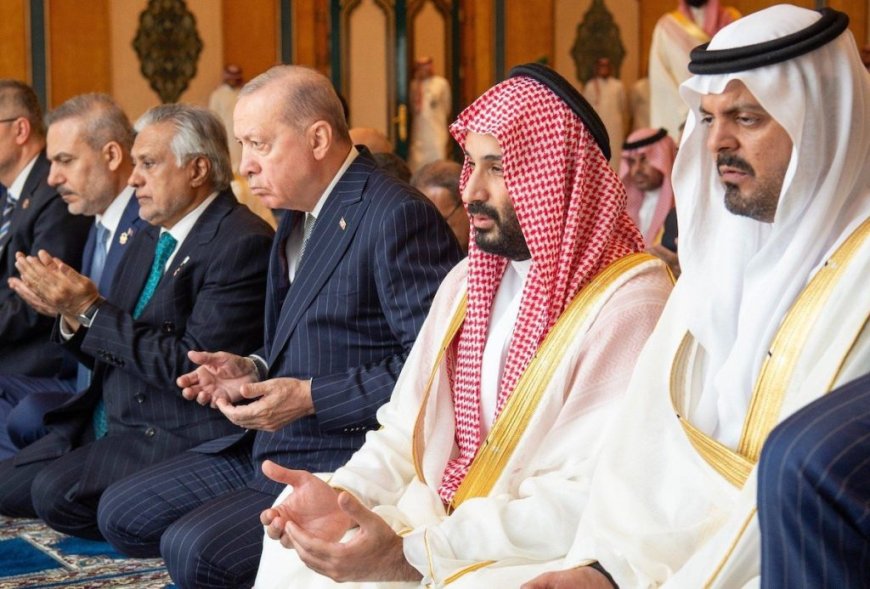
Saudi Arabia, Turkiye and Pakistan Formalize Trilateral Defense Pact in Mecca
Saudi Arabia, Turkiye and Pakistan have sealed a trilateral defense agreement in the holy city of Mecca, formally binding three of the region's most militarily significant powers together under a pledge of collective deterrence at a moment when the Middle East remains on edge following months of conflict involving Iran.
The agreement, referred to in Saudi and Pakistani statements as the Mecca Joint Defence Agreement, was signed by Turkish President Recep Tayyip Erdogan, Saudi Crown Prince and Prime Minister Mohammed bin Salman, and Pakistani Prime Minister Shehbaz Sharif, following nearly a year of quiet negotiations between the three governments.
An Attack on One Is an Attack on All
At the heart of the pact is a mutual-defense clause modeled loosely on the logic behind NATO's collective security provisions: any armed attack against one of the three signatories will be treated as an attack against all of them. Pakistan's foreign ministry framed the agreement as intended to strengthen collective deterrence against aggression, while a Turkish government official described the deal as strictly defensive in nature, with all sides committing only to mutual support in the event of an attack rather than any offensive coordination.
Turkish media reports have suggested the arrangement is likely to extend into joint military exercises, technology transfers and intelligence sharing between the three militaries, though full operational details have not yet been made public.
Building on an Existing Pakistan-Saudi Pact
The trilateral deal does not emerge from a vacuum. Saudi Arabia and Pakistan had already signed a bilateral mutual-defense agreement roughly a year earlier, similarly defining an attack on either country as an attack on both. That earlier accord drew considerable international attention given Pakistan's status as the only nuclear-armed nation in the Muslim world, fueling speculation — which Pakistani officials have consistently downplayed — about whether Saudi Arabia might eventually fall under some form of Pakistani nuclear umbrella. Officials on both sides have stressed that the newer trilateral pact, like its predecessor, does not explicitly address nuclear weapons.
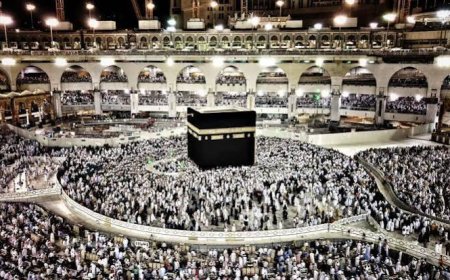
The timing and symbolism of the Mecca signing were widely noted by regional analysts. Sealing the agreement in Islam's holiest city, rather than in a government palace, was seen as an attempt to lend the pact additional symbolic and religious weight, reinforcing decades of existing bilateral military cooperation between the three nations. Pakistan has long provided training and technical assistance to Saudi armed forces, while Turkiye and Pakistan have exchanged warships and training aircraft over the years.
A Response to a Volatile Region
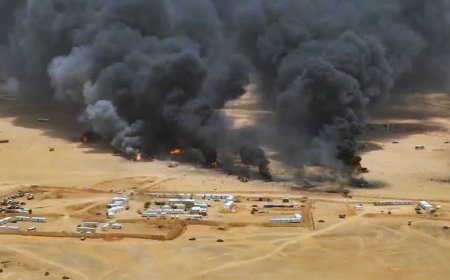
The pact arrives against the backdrop of a turbulent year for Gulf security, with Saudi Arabia having been struck repeatedly by both Iranian forces and Tehran's regional allies, including Houthi militants in Yemen, during the broader conflict that erupted earlier in 2026. Pakistani Prime Minister Sharif traveled to Saudi Arabia alongside the country's powerful army chief in the days before the signing, performing the Umrah pilgrimage in Mecca ahead of the formal ceremony, while Erdogan arrived separately to meet directly with the Saudi crown prince.
Regional security analysts have described the pact as a potential turning point for the Middle East's broader security architecture, combining Pakistan's nuclear arsenal and battle-tested military with Turkiye's advanced drone and munitions capabilities and Saudi Arabia's substantial economic weight. That combination, some argue, could meaningfully alter the regional balance of power, even if the practical, day-to-day implications of the pact remain to be tested.
Skepticism Over Real-World Impact
Not everyone is convinced the agreement will translate into a dramatic shift on the ground. Some foreign policy analysts have pointed out that Saudi Arabia already maintains a mutual-defense arrangement with the six-nation Gulf Cooperation Council dating back to 2000, yet that framework has never produced anything resembling NATO's Article 5 response in practice. While Pakistan has reportedly already sent some troops and air-defense support to Saudi Arabia amid recent tensions, analysts caution that any future response under the new pact is likely to remain limited and highly dependent on the specific circumstances of a given threat, rather than an automatic, large-scale mobilization.
What It Means Going Forward
Whether the Mecca Joint Defence Agreement proves to be a genuine turning point or simply another layer added to an already complex web of Gulf security arrangements will likely depend on how the region's situation evolves in the months ahead. For now, the pact stands as one of the clearest public signals yet that Saudi Arabia, Turkiye and Pakistan are prepared to formalize their security cooperation at a moment when traditional guarantees from outside powers appear less certain than they once did.